





















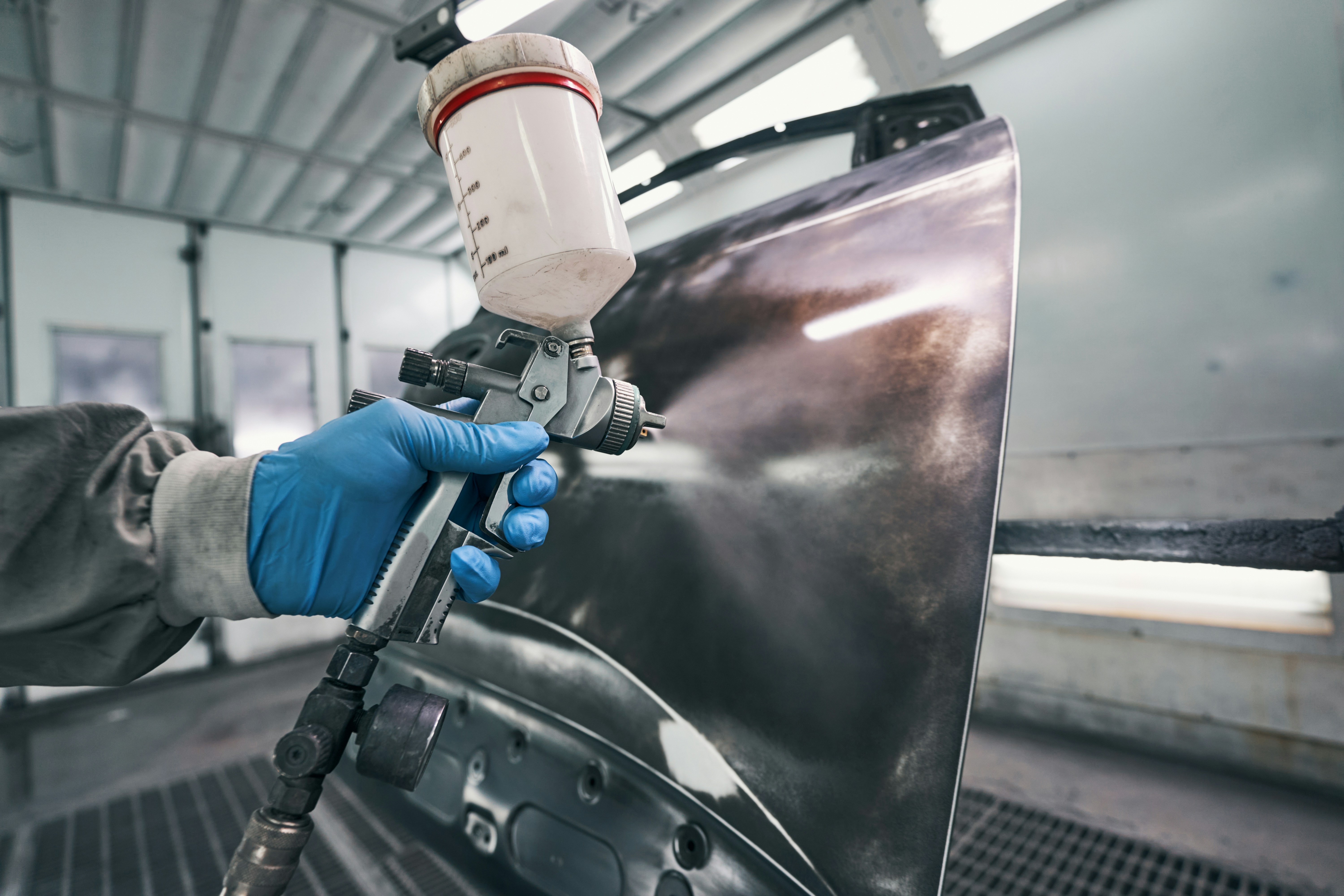


Spray painting plastic car parts can transform faded, scratched or mismatched components, but plastic requires a different approach from metal bodywork. Bumpers, mirror covers, trims and interior components can vary significantly in composition and flexibility, so simply applying a standard automotive paint may lead to peeling, cracking or an uneven finish.
Before starting, it is worth understanding how preparation, product choice and application technique affect the final result.
Identify the Type and Condition of the Plastic
Not every automotive plastic behaves in the same way. Some components have smooth, relatively rigid surfaces, while others are designed to flex during normal use. Existing coatings can also influence how a new finish adheres.
Inspect the part carefully before painting. Look for cracks, deep scratches, peeling coatings and previous repairs. Any underlying damage should be dealt with first, as paint will not hide structural problems and may actually make surface imperfections more noticeable.
Cleaning Is an Essential First Step
Car parts accumulate road grime, oils, waxes, silicone residues and other contaminants. Even when a plastic component looks clean, substances left on the surface can interfere with paint adhesion.
Thorough cleaning should therefore take place before sanding or coating. Pay particular attention to recessed areas, edges and textured surfaces where dirt can remain trapped. Once cleaned, avoid unnecessarily touching the prepared surface with bare hands, as this can transfer oils back onto it.
Prepare the Surface Properly
Preparation is one of the biggest factors separating a professional-looking finish from a disappointing one. Depending on the condition of the component, light sanding can help remove imperfections and create a suitable surface for subsequent products.
The goal is generally to produce an even surface without aggressively removing material or damaging the shape and texture of the part. Sanding dust should be completely removed before moving on to the next stage.
Choose Products Designed for Plastic
Using products intended for the substrate is particularly important with automotive plastics. Suitable primers, adhesion promoters and coatings can help the different layers bond correctly while accommodating the characteristics of the component.
For those researching purpose-made options, Nebula Paints plastic spray paints can be considered when selecting products for plastic automotive components.


Always check the instructions for the individual product rather than assuming that the same preparation and application process applies to every paint or plastic.
Pay Attention to Application Conditions
Temperature, ventilation, humidity and dust can all affect a spray-painted finish. Painting in a dirty or windy environment increases the likelihood of particles becoming trapped in the coating, while unsuitable temperatures may affect drying and application.
Several controlled, lighter coats will often produce a more consistent result than attempting to achieve complete coverage with one heavy application. Keeping the spray can or gun at an appropriate and consistent distance also helps reduce runs, patches and uneven build-up.
Allow Enough Time for Drying and Curing
A surface that feels dry is not necessarily fully cured. Refitting a freshly painted component too quickly can leave fingerprints, marks or damage around clips and mounting points.
Follow the specified drying and curing times before handling or reinstalling the part. Taking extra care during this final stage protects the work already completed.
Ultimately, successful plastic spray painting is less about rushing to apply colour and more about completing each stage correctly. Careful cleaning, surface preparation, suitable products and controlled application all contribute to a finish that looks better and lasts longer.