























BRIGHTON JOURNAL WEEKEND FEATURE:22nd Nov 2026
As concerns about the environmental impact of food production grow, consumers and the food industry are reconsidering where their protein comes from. Vegetarian, vegan and flexitarian diets are gaining attention across Western markets, driven partly by the search for more sustainable ways to eat. Yet despite this shift, meat and dairy remain the principal sources of protein for many adults.
That presents a challenge. Protein is essential for the growth and repair of the body, so reducing animal products means finding reliable alternatives that provide sufficient nutritional value. The obvious answer might appear to be plant-based burgers, sausages and other meat substitutes. But these products are only part of a much broader market.
Some plant-based meat alternatives have been classified as ultra-processed foods. Depending on their formulation, they can contain relatively high levels of salt and offer less iron and vitamin B12 than conventional meat, although some are also lower in calories and fat. Their taste and texture remain another obstacle for consumers who are unconvinced by existing substitutes.
The alternative protein landscape is considerably wider. Pulses, algae, cereal grains, insects and cultivated meat each offer different nutritional and environmental characteristics. Some are already established ingredients; others remain at an early stage of commercial development. Together, they point towards a food industry increasingly interested in diversifying its sources of protein.
Pulses: An established solution with room to grow
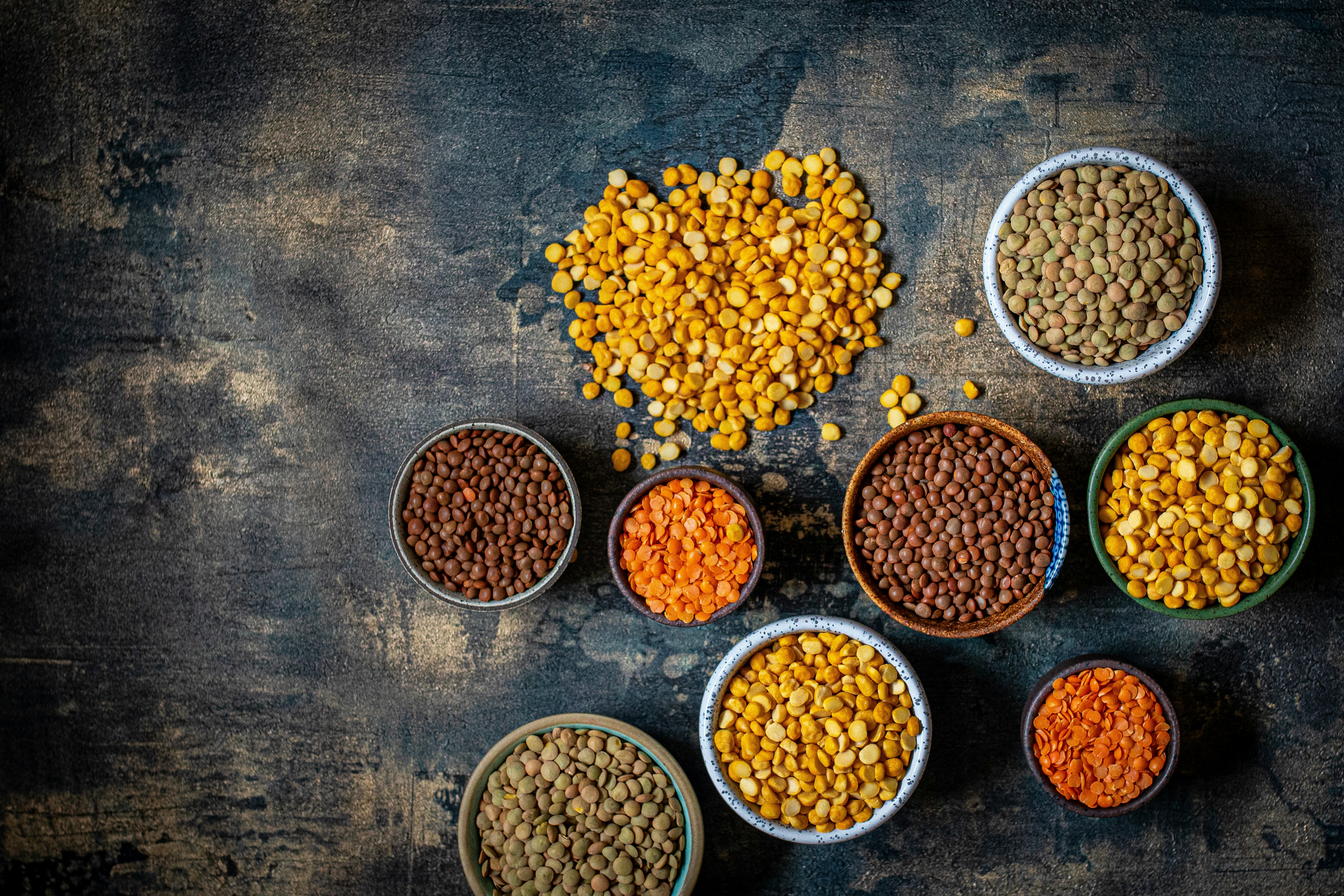
Beans, chickpeas, lentils and other pulses are among the most accessible alternatives to animal protein. As the edible seeds of legume plants, they offer a combination of protein, fibre, vitamins and minerals.
Their environmental advantages are also significant. Compared with many other crops, legumes require less fertiliser and can contribute to lower greenhouse gas emissions. They can improve soil health and microbial diversity, while certain varieties can be selected for greater resilience to changing climatic conditions.
Protein content varies by type, but pulses typically contain between 17% and 30% protein. Their nutritional value, affordability and versatility make them an important part of a more diverse food system. Research has also associated their consumption with benefits relating to chronic conditions, including heart disease and diabetes.
For food producers, pulses offer an opportunity to develop products using familiar, relatively accessible ingredients. They also have potential to strengthen domestic agricultural supply chains, creating additional markets for farmers and reducing reliance on some imported protein sources.
Algae: A new ingredient for the food industry
Algae, including seaweed and spirulina, are attracting interest for their nutritional content and potential environmental benefits. Certain varieties can contain between 50% and 60% protein, alongside vitamins and minerals.


Their potential extends beyond nutrition. Algae can absorb carbon dioxide from the atmosphere, while research has also examined their antioxidant and anti-inflammatory properties. This combination has encouraged interest in their use across food production and specialist nutritional products.
Consumer acceptance, however, remains a consideration. Not everyone is likely to welcome seaweed as a regular part of their diet. Incorporating algae into familiar products such as bread may offer a more practical route into the mainstream, while increasing their protein content.
There are challenges: algae can change the colour of food and, depending on the variety and formulation, leave an unwanted fishy aftertaste. For manufacturers, the commercial opportunity will depend on making products that deliver nutritional benefits without compromising flavour or appearance.
Cereal grains: The overlooked source of plant protein
Oats, wheat, barley and other cereal grains are usually associated with carbohydrates, but they are also meaningful sources of plant protein. Depending on the grain, protein content can range from approximately 7% to 18%.
Some cereals also offer additional nutritional benefits. Oats, for example, have been associated with lower cholesterol levels and potential improvements in gut health.
There is a wider sustainability question about how cereals are used. In Ireland, a reported 89% of cereal production is used as animal feed. This means crops are often channelled through livestock before reaching consumers as meat or dairy protein.
Using more cereal directly in human diets could offer a more efficient route to protein consumption and reduce some of the environmental costs associated with livestock production. It also presents an opportunity for food manufacturers to rethink the role of traditional crops, developing products that make greater use of their nutritional value.
Insects and cultivated meat: The less familiar alternatives
Insects and cultivated meat are among the more unconventional sources of alternative protein, particularly in Western markets.
Edible insects are already used in some food products, including snack bars, protein ingredients and cricket flour. The latter can contain between 45% and 70% protein, making it a concentrated source of nutrition.
Cultivated meat takes a different approach. Rather than raising and slaughtering an animal, it involves producing meat from animal cells. The UK became the first European country to approve cultivated meat for use in pet food in 2024, an early regulatory milestone for an industry that continues to face significant hurdles.
Both approaches have considerable challenges. Insects remain unfamiliar to many consumers, with perceptions of disgust and a lack of cultural acceptance limiting demand. Potential allergy and ethical concerns also require consideration. Cultivated meat, meanwhile, faces questions around production costs, regulation, scalability and whether consumers will ultimately accept it as an alternative to conventional meat.
Their long-term commercial prospects will depend not simply on scientific progress, but on whether producers can make these products affordable, appealing and acceptable to a much wider market.
The commercial opportunity behind alternative protein
The development of alternative proteins is becoming an important area of opportunity for food manufacturers, agricultural businesses and food technology companies. The challenge is no longer simply to produce something that replaces meat. It is to develop products that can compete on taste, price, convenience and nutritional value.
For established manufacturers, that means moving beyond the assumption that consumers will automatically choose a meat-free product because it is marketed as sustainable. Products must meet everyday expectations, particularly as shoppers become more conscious of processing, ingredients and nutritional quality.
There are opportunities further up the supply chain, too. Pulses, oats and other protein-rich crops could become more valuable components of European agriculture, while algae cultivation and food biotechnology may create new markets for specialist ingredients. Investment in processing, fermentation and product development could help turn promising research into commercially viable food products.
Cultivated meat remains a longer-term proposition, with significant regulatory and economic barriers still to overcome. Insects face a different challenge: persuading consumers to accept an ingredient that remains unfamiliar in many Western countries.
The wider point is that the future of protein is unlikely to depend on a single replacement for meat and dairy. Instead, it may involve a more varied food system in which traditional crops, pulses, algae and emerging technologies all play a role.
Consumers do not necessarily need to abandon meat altogether for this market to grow. The more immediate opportunity may lie in giving people greater choice, making it easier to incorporate different sources of protein into their diets. For the food industry, the companies most likely to benefit will be those that can turn nutritional and environmental advantages into products that people actually want to buy.