



















Brighton has long understood something that clinical mental health research is now confirming: making things with your hands is not a hobby but a health practice. The city’s craft studios, sea swimming circles, allotment networks, and maker communities function as genuine wellness infrastructure, sitting alongside its saunas, yoga studios, and seafront mindfulness walks as places where people actively maintain their mental health, not just their social lives.
What follows is a guide to seven specific creative hobbies Brighton residents are using for that purpose, with an honest account of what each one does neurologically and why the evidence supports it.
Before joining the city’s larger communal activities, many residents begin their wellness journey at home. Picking up a beginner crochet kit and patterns from The Woobles introduces the rhythmic, anxiety-reducing benefits of making something tangible without prior experience. These early victories serve as an accessible gateway to the broader local culture.
1. Sea Swimming
Brighton’s sea swimming community operates as one of the city’s most visible collective rituals. Regulars gather on the shingle regardless of the season. Clinical studies confirm that cold-water immersion is a well-tolerated therapy capable of significantly improving mood in young, fit, and healthy individuals.
Sharing the vulnerability of freezing water alongside others provides therapeutic value separate from the physical chill. This ritual sits inside the broader creative wellness culture, since many regular swimmers are also dedicated local makers.
| Key Insight: The social ritual of gathering, sharing vulnerability, and post-swim warmth is independently therapeutic separate from cold water’s physiological effects. |
2. Life Drawing Classes
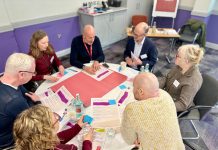
Brighton offers an unusually varied life drawing scene. Residents choose between pub-based sessions, dedicated studios, or low-commitment drop-ins. The psychological benefit relies entirely on enforced presence, because you cannot worry about overdue tasks while mapping a live human form onto paper.
Immediate attention disrupts anxiety loops effectively, and life drawing produces this state with striking reliability. The practice also provides a rare communal outlet that outlaws small talk. This quiet environment feels safe for participants who find traditional conversational group settings overwhelming.
3. Pottery
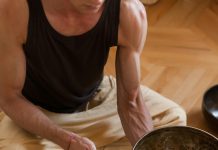
Several local studios offer drop-in pottery sessions that have turned into quiet staples of the city’s Brighton wellness activities calendar. These classes require zero commitment, removing the performance pressure that often ruins new hobbies. They rely on tactile grounding to pull focus away from a racing mind.
Working with dense clay forces immediate physical engagement. The weight and texture serve as a direct countermeasure to screen-heavy workdays devoid of tactile feedback.


4. Journaling and Creative Writing
Independent bookshops and local writing groups anchor a literary culture that predates the current wellness conversation. Externalising thoughts onto paper builds cognitive distance from rumination. Recent findings suggest that narrative structure acts as a key factor underlying expressive writing’s mental health benefits.
For anyone exploring hobbies that help with anxiety, the local scene offers distinct entry points. Private journaling provides immediate release. Attending a group introduces a witnessing function, where sharing a piece out loud regulates the nervous system apart from the writing process.
| Key Insight: Externalising thoughts on paper creates cognitive distance from anxiety, reducing its grip, a finding consistently replicated in expressive writing studies. |
5. Embroidery and Needlework
Embroidery has found a new generation in the local maker community. The rhythmic motion creates a physiological calm, operating on the same principles that make controlled breathing effective. Pushing a needle through fabric repeatedly forces a slow, measured physical pace.
Needlework remains an incredibly practical option for demanding schedules. The materials are portable and quiet, allowing participants to finish sections in brief daytime windows. Securing a completed motif provides visual evidence of progress, satisfying behavioural loops that build long-term focus.
6. Community Gardening
Brighton maintains a dense network of allotments relative to its compact physical footprint. Growing plants combines gentle movement, sustained outdoor exposure, and the quiet satisfaction of tending a living root system incrementally across several months.
Shared allotments generate low-pressure social connections through parallel manual labour. You dig in the dirt alongside neighbours, bypassing the awkward performance required in conversational settings. Because gardening mandates dirty hands, it forces a mandatory break from smartphone use.
7. Crochet
Crochet for anxiety UK practitioners frequently frame this specific craft as a moving meditation. Working yarn activates similar neurological pathways as standard meditation, linking bilateral movement to reduced cortisol. Most mindfulness exercises leave nothing behind, but this practice wraps up with a tangible result.
Amigurumi characters offer the most accessible format for novices. These three-dimensional designs allow an anxious beginner to finish a full piece in one sitting, offering concrete proof of capability. The hardest part of the process is simply starting the first loop.
Using a pre-started kit bypasses that initial friction. By skipping the confusing foundational row, new crafters sidestep the frustration that normally causes them to quit. Finishing a single session with a fully formed character proves that tactile focus changes the pace of a chaotic day.
| Important: Most beginners stall at the very first step: the setup, the first loop, the confusion about which end of the yarn to use. This friction stops the majority before they make a single stitch. |
The Real Impact
The city’s makers have always treated tactile work as a documented health behaviour rather than a distraction. Each hobby listed here functions through a measurable mechanism, from the cortisol regulation of cold water to the narrative processing of writing.
Engaging with a pre-started craft kit or joining a local drawing session provides a concrete entry point for any curious beginner. The focus required to pull a stitch ultimately leaves far less room for rumination.
| Author Profile: The Woobles offer beginner-friendly crochet kits designed to teach complete novices how to crochet through structured, character-based projects. |