




















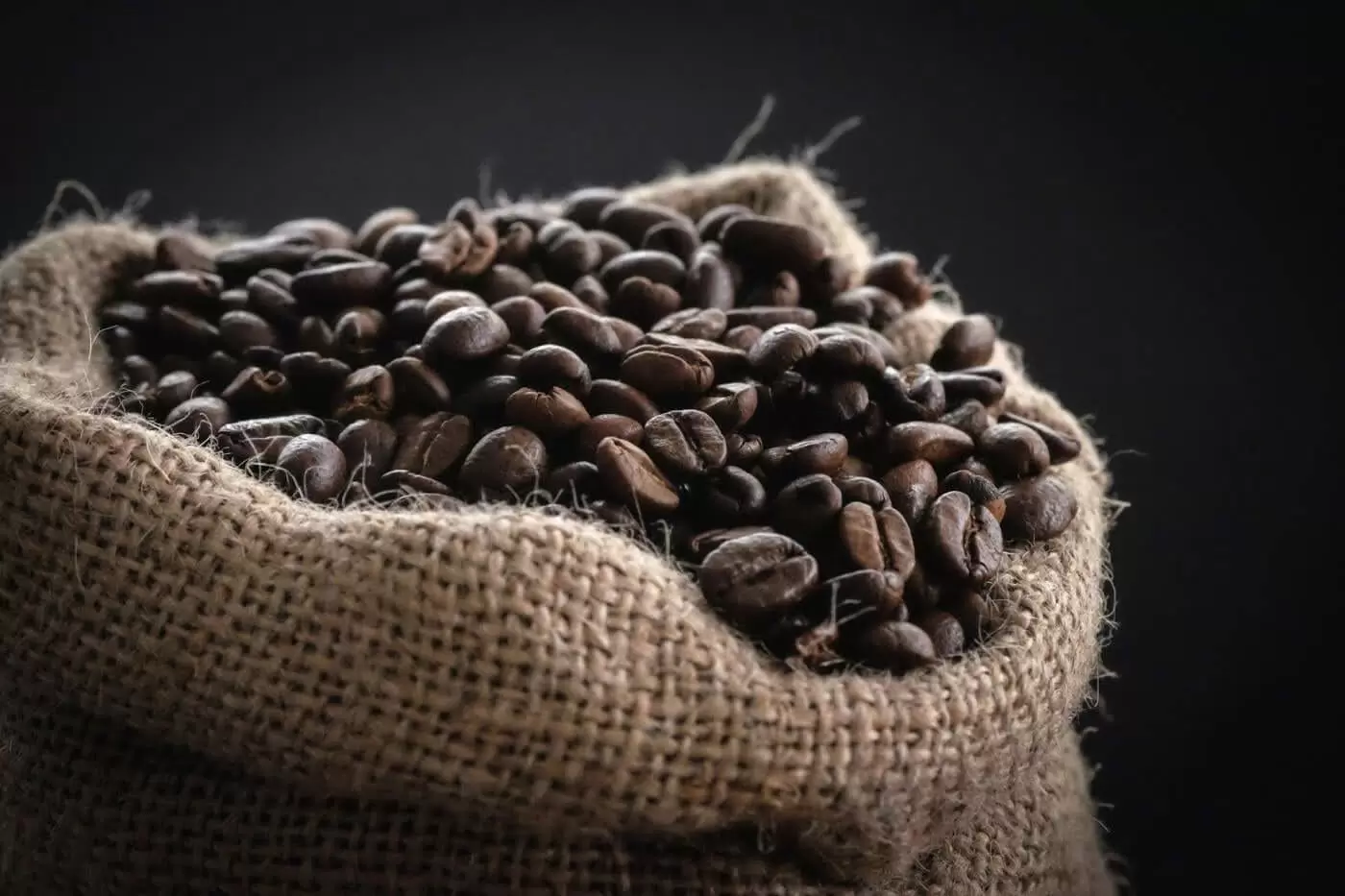


Dark roast has a reputation problem. Office filter machines and motorway service station cups built most of that negative perception. For UK consumers, dark roast mostly means flat and one-dimensional, explaining why lighter profiles dominate the market. This dark roast coffee guide challenges that assumption directly.
The dark roast vs medium roast quality gap actually stems from bad sourcing, roasting, and brewing rather than the profile itself. Here are eight specific markers that separate a genuinely great dark roast from the version you usually suffer through.
1. Start With Beans That Can Take the Heat
Most buyers assume intense heat hides a poor-quality bean, but the exact opposite occurs. Pushing a defective grade to high temperatures produces harsh bitterness, since the drum heat amplifies existing flaws instead of masking them. The real test of what makes a good dark roast happens at origin.
Look for single-origin designations or direct-trade sourcing relationships on the packaging. These higher-tier beans retain genuine complexity and structure even after spending extended time roasting.
2. Check How Fresh It Actually Is
Dark roast goes stale faster than lighter profiles due to basic chemistry. The bean’s volume increases dramatically while losing dry matter during the extended roasting period. This expansion causes lower bulk density and draws volatile oils to the surface, causing them to oxidise immediately upon contact with air.
Always look for a specific roast date printed on the packaging instead of a generic best-before window. A direct roast date specifies when the coffee was actually produced, while a best-before stamp merely outlines retailer liability.
3. Choose Small-Batch Over High-Volume
High-volume commercial facilities optimise output for price consistency and shelf stability instead of flavour complexity. This approach yields a blunt, margin-friendly product acting as the default reference point for most consumers.
Smaller operations treat freshness as their primary metric. Products like small-batch dark roasted coffee from Bones Coffee Company demonstrate exactly what the category achieves when roasted to order. This focused approach highlights deep chocolate notes and warm caramel rather than mass-market bitterness.
| Quote: Small‑batch dark roasting is the coffee that converts people who believed they disliked dark roast, because what they disliked was the commercial imitation. |
4. Match Your Grind to the Roast
Intense roasting amplifies accidental extraction errors heavily. Since a dark bean is less dense than a light roast bean, calibrating your grinder to a medium setting will cause rapid over-extraction. Pushing hot water through an overly fine powder accelerates this bitter extraction, creating the sharp bite consumers often mistake for the bean’s natural flavour.


Select a significantly coarser grind for immersion methods like a French press. If you pull espresso, shorten the extraction time slightly before adjusting your burrs to preserve the profile. Always process whole beans right before brewing to prevent rapid aromatic loss.
| Pro Tip: A grind calibrated for a medium roast can over‑extract a dark roast and produce the sharpness that most people mistake for a property of the profile itself. |
5. Lower the Water Temperature Slightly
Brewing a darker profile requires cooler water targeting the 90 to 93 Celsius range instead of boiling temperatures. Drum heat has already broken down the cellular structure of the bean, meaning boiling water strips out astringent compounds almost instantly.
Set your variable temperature kettle exactly to 92 degrees if you have specialised equipment. Alternatively, simply let a standard kettle sit off the boil for up to 90 seconds. This brief pause drops the heat enough to eliminate unnecessary harshness without requiring new gear.
6. Trust Your Nose Before Your First Sip
Evaluating aroma provides the most reliable quality indicator before a single drop of water touches the grounds. A properly developed batch smells of rich chocolate, toasted wood, and distinct caramel sweetness. Conversely, commercial filler beans often emit an ashy or chemical scent right out of the plastic bag.
Catch the fragile volatile compounds by assessing the scent immediately after crushing the beans. Freshly pulverised coffee offers an accurate signal of your eventual mug. If that dry powder smells like burnt toast, no careful pour-over technique will salvage the beverage.
7. Pay Attention to What Lingers
Tasting the finish separates speciality roasting from industrial output more clearly than the baseline sip. High-tier beans leave a clean, sweet aftertaste where any residual bitterness quickly fades within seconds. Poor options leave a drying, astringent coating on the palate that accumulates continuously.
If the aftertaste forces you to drink water just to clear your throat, the extraction or the agricultural product failed. A proper cup invites an immediate second sip without cloying the mouth.
| Key Insight: The finish is the most honest part of the cup; if it leaves a clean, slightly sweet resolution rather than a drying bitterness, you’ve found a quality dark roast. |
8. Origin Still Shapes the Cup
The myth that heavy roasting obliterates origin character ignores how heat actually alters flavour development. Central American harvests pushed past second crack tend toward rich cocoa notes and heavy brown sugar. Indonesian beans produce earthy depth, low acidity, and a thick syrupy body that dominates under extended heat.
East African crops retain natural fruit complexity even at higher temperatures, offering a brightness separating them from the rest of the world. Picking a specific region allows buyers to target cleaner, structured cups or dense, earthy profiles intentionally.
The Bottom Line
The best dark roast coffee UK consumers encounter typically targets cheap production and shelf stability rather than physical drinkability. Exploring smaller batches fundamentally redefines this category by prioritising fresh outputs over massive volume.
Adjusting your home equipment to grind coarser and brew cooler extracts the heavy caramel notes properly. Applying these precise physical adjustments to better raw materials removes the acrid bite.
| Author Profile: Bones Coffee Company is the leading online retailer of flavoured coffee for adventurous coffee lovers seeking extraordinary taste experiences. |