




















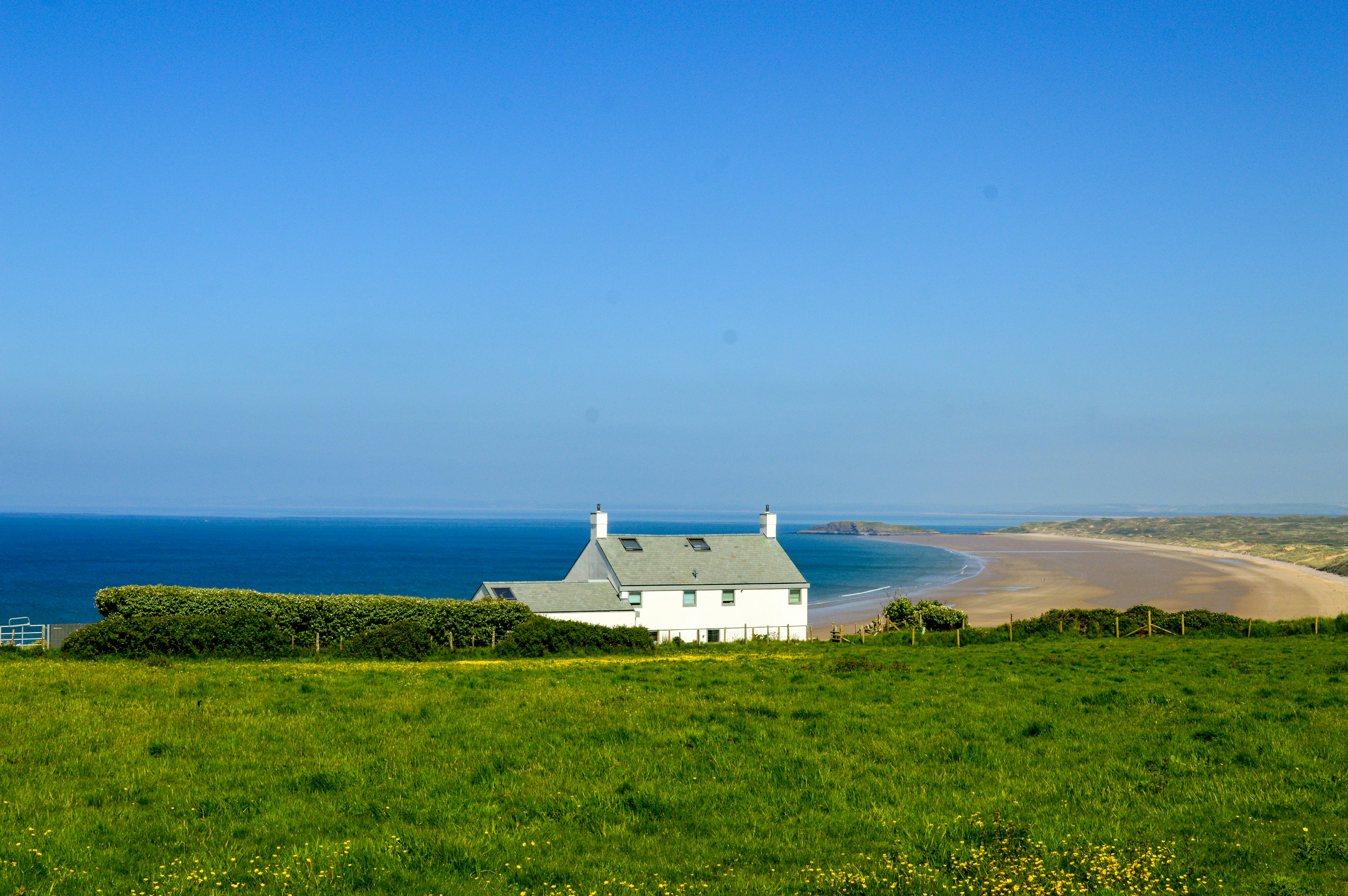


Why Coastal Developers Face a Different Set of Pressures
Coastal areas may be beautiful and abundant in inspiration for developers and architects, but they’re also a massive problem for those who are actually working on the ground.
Coastal erosion is a real challenge with no simple solution, since the forces of nature working against us are totally outside of anyone’s control. Still, there are ways to protect cliffsides and coastal strips, with their unique ecosystems and unmatched views, so long as plenty of sympathy is shown by the developers themselves. It’s simply not possible to turn a vision into a reality without first understanding the character of these locations.
It’s not just building homes that are resilient against coastal erosion that poses the challenge. The building work itself can take a huge toll on delicate areas of ground, accelerating the very process that developers and builders are trying to fend off.
Weather also poses another problem. With high winds and sudden storms that roll in from the sea, project schedules can easily be overridden – particularly outside of the summer months.
Planning represents an additional hurdle. While grand designs are perfect for the panoramic sea views, they are also at odds with the history of coastal towns, and tend to be met with some scepticism from locals.
Preserving Local Character While Designing for Storms and Rising Water
Working with the landscape, rather than against it, is the only way developers and builders can consider a project successful – not just at the point of the ribbon cutting, but long into the future, too.
Solutions that reinforce the landscape, supporting its natural shape and, in so doing, offering protection against the continued onslaught of wind, rain, and salt from the sea are essential. In some cases, this can be achieved with relatively simple methods – others, it will require more specialised intervention.


The Materials and Methods Helping New Coastal Developments Do Both
One of the most beneficial materials for building coastal developments truly fit to last the inevitable weather and spray is precast concrete. Tailor-made under controlled, factory conditions by experts like Modular Cubed, modular retaining walls are strong and durable enough to work with the surrounding landscape, providing protection and reinforcement to the property and the land itself.
Retaining walls work well alongside natural solutions, such as living shorelines which absorb wave energy naturally. Both combined will offer strength where it is truly needed, and nature where it can be entrusted to protect the land.
Furthermore, creating properties that will prove resilient to the local climate is incredibly important, as that is the only way to reduce the risk of further damage to the area during renovation and repair work in the future. Deep foundations, water-resistant materials, and good elevation (to avoid flooding) are essential for coastal homes.