




















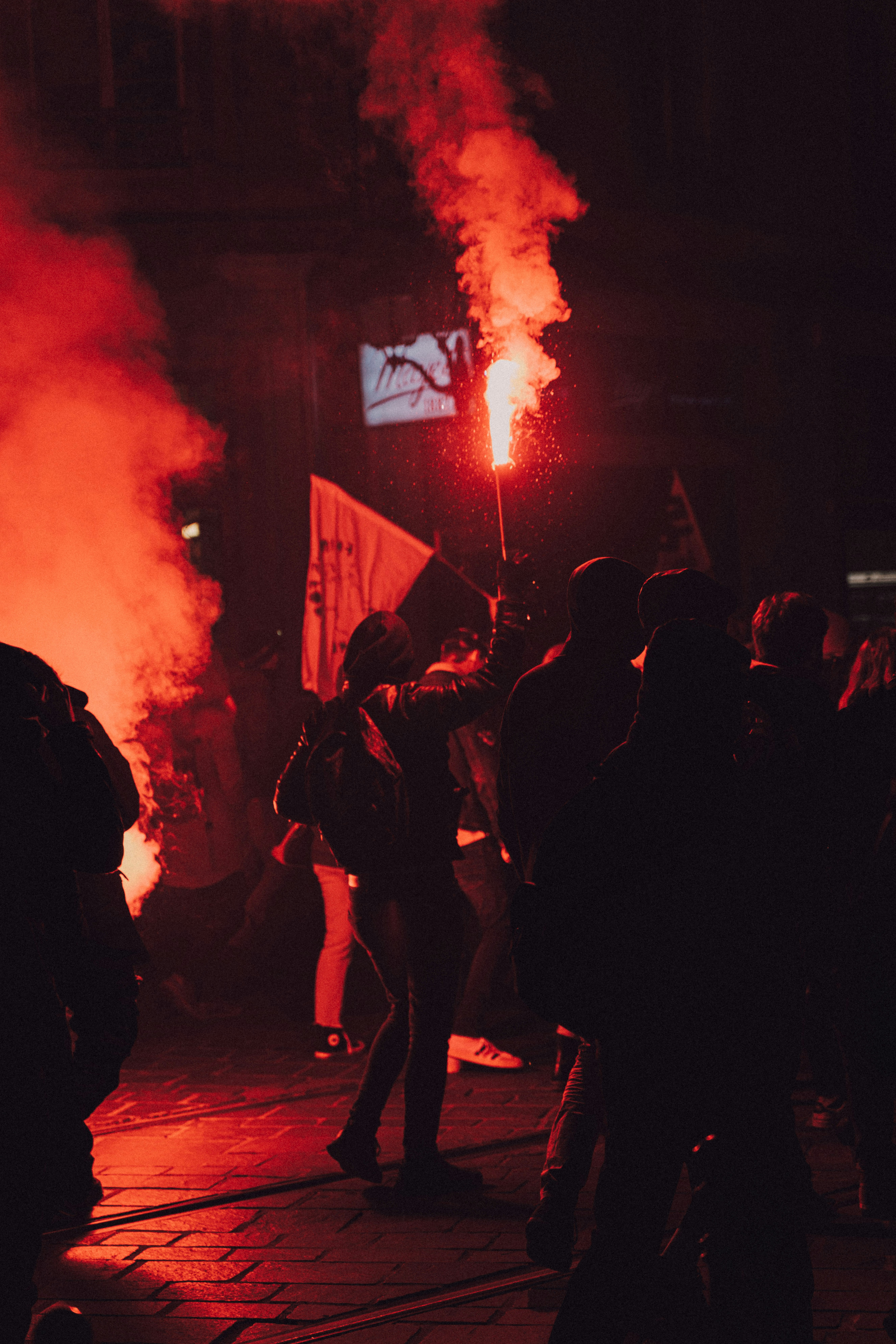


Last Saturday, Europe’s cities filled with young people. More than half a million marched in France. In Brussels, police turned water cannon on students and someone overturned a car. In Milan, a peaceful march against war and living costs ended with masked rioters looting shops, setting fire to barricades and emptying the Piazza del Duomo.
The governments in charge called it vandalism. The protesters called it a revolt. Both are partly right, and the gap between them explains a great deal about the mood of a generation.
Brussels: A Fight Over Who Gets to Study
Belgium’s protest is the easiest to understand. The French-speaking Community of Belgium, which runs universities in Brussels and Wallonia, has reformed tuition fees for this academic year. Students are now sorted into four bands by income. Those on grants pay nothing. Everyone else pays €374, €835 or €1,194 a year.
That may sound modest to British readers, but for some students it means a tripling of fees overnight. One student, Emilie, told the Brussels Times her fee had risen from €350 to €1,200. The student federation FEF has led marches since September under the slogan “studying is a right we will not negotiate.” Political science student Thibaut Lété put the case simply: “We exclude, de facto, the poorest people from higher education.”
By Saturday, inspired by events in France, the protest had grown angrier. Interior Minister Bernard Quintin said: “What is unfolding in Brussels is no longer mere protest.”
Milan: Wars, Rents and Rage
Italy’s march was broader and messier. It was billed as a protest against wars and the rising cost of living, and it carried Palestinian flags and keffiyehs alongside banners about rents and wages. Most of those who took part marched peacefully.
Then a masked group broke away, hurling stones and paving slabs at riot police and looting shops in the city centre. Around 50 people were detained, many of them teenagers. There was more violence in Bologna.
The political reaction split along familiar lines. Prime Minister Giorgia Meloni, leading a right-wing government, blamed “hooligans who exploit demonstrations to sow chaos.” Milan’s centre-left mayor, Giuseppe Sala, took a different tone: the reasons for protest were “understandable”, he said, but the violence was not.
What Are the Looters Trying to Achieve?
This is the uncomfortable question, and the honest answer is: very little that anyone has put into words. No group has claimed the violence or published demands. Those smashing windows in Milan and Brussels were a small minority, and most marchers had nothing to do with them.
From past riots across Europe, the people who turn protests violent usually fall into three groups. Some are militants who believe confrontation with the police exposes the state and draws attention that peaceful marches never get. Some are opportunists who see an unguarded shop and take what they can. And some are simply very young, swept along by the crowd. The number of minors detained in Milan suggests plenty of the last group.


Whatever their motives, the effect is predictable. Looting hands governments the story they want. Footage of burning barricades leads the news, and the arguments about fees, rents and wages disappear beneath it. For the students marching peacefully in Brussels, the rioters have been the worst possible allies.
The Common Thread
Strip away the violence and the grievances are strikingly similar. Young Europeans are paying more for education, housing and energy than their parents did, while governments burdened with debt say they cannot afford to help. In France, the movement began over crumbling classrooms. In Portugal, tens of thousands marched over rents, with house prices more than doubling since 2017.
This is not one coordinated movement. Analyst Alberto Alemanno told Al Jazeera the protests share grievances but not organisation. But they share a feeling: that the deal offered to young people, work hard, study and you will get on, no longer adds up.
Brighton should recognise that feeling. This is a student city, home to two universities and tens of thousands of young people facing some of the highest rents outside London. English students already pay up to £9,535 a year in tuition, far more than their counterparts in Brussels. With food prices still climbing and the council expanding its licensing of private rentals to rein in bad landlords, the pressures driving Europe’s protests are familiar here. Britain has its own political ferment too, as the debate over Andy Burnham and Brexit has shown.
Where This Leaves Us
The protesters have a case. Governments across Europe are asking the young to pay more for less, and they have offered few answers beyond calls for calm. But the looters have no case at all, and they are making it harder for anyone to hear those who do.
The question for Europe’s leaders is whether they listen to the hundreds of thousands who marched peacefully, or use the few who rioted as an excuse not to.
Related Reading
- Shockwaves as Green Party Votes ‘Zionism Is Racism’ at Brighton Conference
- How Is Brighton Shaping the Future of Its Visitor Economy?
- As Brighton’s festival season ends, a new generation of artists are just getting started