





















A cheap change of scenery can break up a repetitive week without requiring a long holiday or a large travel budget. The trick is to stay flexible about timing, transport and destination, then work out the full cost before committing.
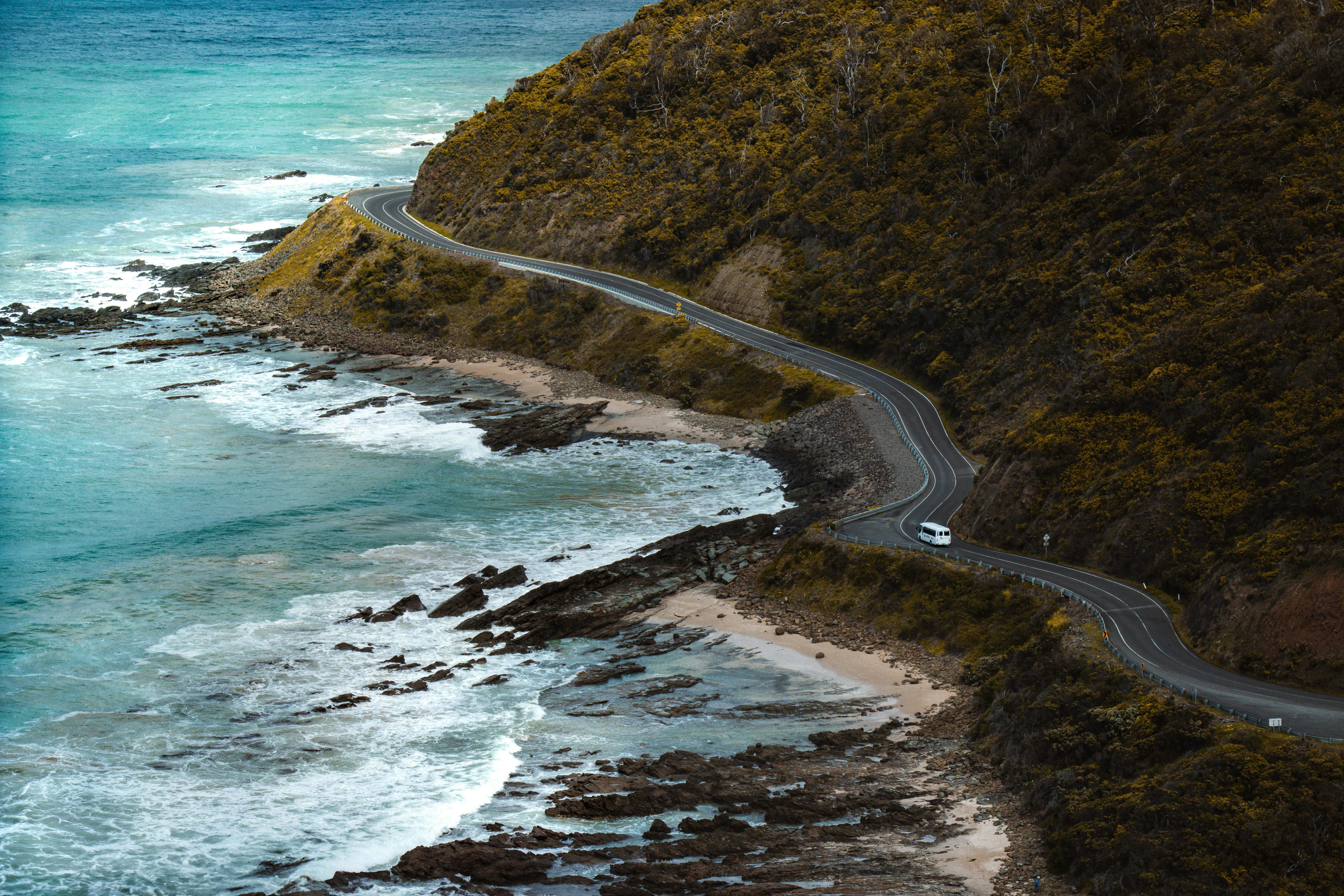
For Brighton residents, that might mean a quiet stretch of coast, a walk through the South Downs or a day in a town that’s usually overlooked. Further afield, the same principles apply: travel outside busy periods, share costs fairly and focus your spending on the parts of the outing you’ll remember.
Ditching Public Transport Limitations
Trains and buses are often the sensible choice for city-centre trips, particularly where parking is scarce. Public transport also makes social and economic opportunities accessible to people who don’t drive, as discussions around why public transport matters regularly highlight. Yet fixed timetables can limit spontaneous outings, especially when you want to visit a rural beach, country park or small village.
Before choosing the car, compare the whole trip. Look at ticket prices for everyone travelling, local bus connections, parking charges and estimated fuel use. A £12 train fare may beat driving alone, but four return fares could cost far more than sharing one car. Remember that advertised rail prices may depend on booking ahead or travelling at a specific time.
Driving can also give you control over the day. You can leave early to avoid crowds, carry walking shoes and a picnic, then change destination if the weather turns. That flexibility helps when the final bus home leaves before dinner or a station sits several miles from the place you actually want to explore.
Still, avoid driving by default. Articles on the impact of a week without driving show how much everyday mobility depends on accessible alternatives. Choose the option that works for the particular outing, considering cost, convenience and environmental impact together.
Sorting Flexible Driving Cover
Confirm that every intended driver has appropriate cover before setting off. Never assume a person can drive a parent’s, friend’s or housemate’s vehicle simply because the owner has an annual policy. Cover depends on the policy terms, the driver and the vehicle, so check the documents directly and contact the provider if anything remains unclear.
Young and new drivers comparing options can look at young driver insurance including in your own car or named on someone else’s car. Available products may include annual, short-term, learner, named-driver or black-box policies, though suitability and price will vary between individuals. Check the level of cover, policy duration, excesses, mileage conditions and any restrictions before buying.
Flexible arrangements can be useful when several outings are planned over a short period. For example, someone home from university might expect to use a family car on three weekends, while a recently qualified driver may need cover for their own vehicle throughout the year. These are different needs and should be priced separately.
Build the insurance cost into the outing budget where it applies. A seemingly cheap day trip can become poor value if temporary cover, parking and fuel weren’t included in the first estimate. If drivers will share the journey, agree in advance who pays each expense. Keep the arrangement simple by assigning one person to parking, another to fuel and settling any difference afterwards.


Finally, run basic checks on the vehicle. Fuel level, tyre pressure, lights, screen wash and breakdown arrangements deserve attention before a longer drive. Ten minutes at home is easier than sorting an avoidable problem beside the road.

Packing Light for Spontaneous Outings
A lightly packed day bag keeps departures quick and prevents small purchases from eating into the budget. Start with water, snacks, a phone cable, any required medication and a weatherproof layer. Add sunscreen in warmer months and a compact torch when daylight may fade before you return.
Food is one of the easiest costs to control. A café lunch and two takeaway drinks can quickly exceed the cost of transport, while sandwiches, fruit and a flask leave room in the budget for one local treat. General advice on affordable travel habits also favours planning around the experiences you value instead of spending automatically at every stop.
Pack for the activity you genuinely expect to do. A coastal walk needs comfortable footwear and an extra pair of socks, while a relaxed afternoon in a nearby town may require little beyond water and a reusable shopping bag. Loading the car with equipment for every possible situation creates clutter and can make spontaneous stops less convenient.
Keep a small outing kit ready at home if you travel regularly. It could contain a refillable bottle, picnic cutlery, a power bank, plasters and a folded tote bag. Check it after each trip so it remains useful.
Download maps, booking confirmations and parking details before leaving. Mobile reception can be unreliable in rural areas, and searching for information on arrival wastes both time and battery. Share the route and expected return time with someone who isn’t travelling, particularly if the plan includes a remote walk. Packing light works best when the essentials have been chosen deliberately.
Finding Low Cost Destinations
Start your search within a comfortable driving radius, then look past the best-known attractions. Nature reserves, public footpaths, seafront promenades, heritage neighbourhoods and free galleries can fill most of a day without an admission charge. Local council and tourism websites are useful for checking opening hours, public facilities and seasonal restrictions before departure.
The destination may be free while the visit itself still carries costs. Check parking tariffs, tolls, charging arrangements for an electric vehicle and any booking requirements. A practical low-cost road trip budget should include transport, food, activities and a small contingency amount. Divide the total by the number of travellers to see whether the plan genuinely offers good value.
Timing matters too. Visit popular coastal places early in the morning or later in the afternoon, when parking may be easier and cafés less crowded. Midweek trips can bring lower accommodation rates if you’re staying overnight. During school holidays, quieter inland towns and countryside routes may offer a calmer day than famous beaches.
From Brighton, short coastal breaks can stretch beyond a single day without turning into an elaborate holiday. This guide to motorhome-friendly weekend escapes offers ideas for choosing practical stops near the coast. The same planning logic works for a car-based outing, although you should always check parking and overnight rules for your specific vehicle.
Save three destinations in your phone for different weather conditions: one coastal, one rural and one town-based. When a free day appears, you’ll already have realistic options and can choose according to the forecast, available time and that week’s budget.
A successful escape may be as simple as a morning walk, a packed lunch overlooking the sea and an unhurried drive home before dark. Set a firm spending limit before leaving, keep the plan flexible and let the day remain pleasantly uncomplicated.