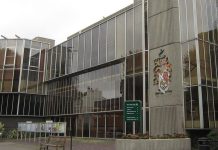



















Next Tuesday, councillors at Hove Town Hall will finally debate the report Brighton has been waiting for: an independent review of how the city ended up lending millions of pounds to a viewing tower that couldn’t pay it back. By Nick Staunton
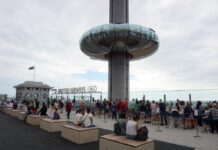
The i360 still stands on the seafront, and under new owners it is open again. The bill for its first life, though, is still being paid by everyone who lives here, and it will be for another fifteen years.
So what actually happened? Here is a plain-English guide.
How the Loan Worked
The i360 cost about £46m to build. In 2014, Brighton and Hove City Council agreed to borrow £36m from the Public Works Loan Board, a government lender that offers councils cheap credit, and pass it on to the developer, Marks Barfield. A separate £4m loan came from Coast to Capital, the local enterprise partnership, and was later transferred to the council.
The idea was simple. The council could borrow more cheaply than a private company. The tower would repay the council from ticket sales, and the council would make a small margin on top. Brighton would get a landmark, jobs and visitors on the western seafront, next to the ruins of the West Pier.
The flaw was just as simple. If the tower failed, the council still owed the government every penny.
The Numbers That Didn’t Add Up
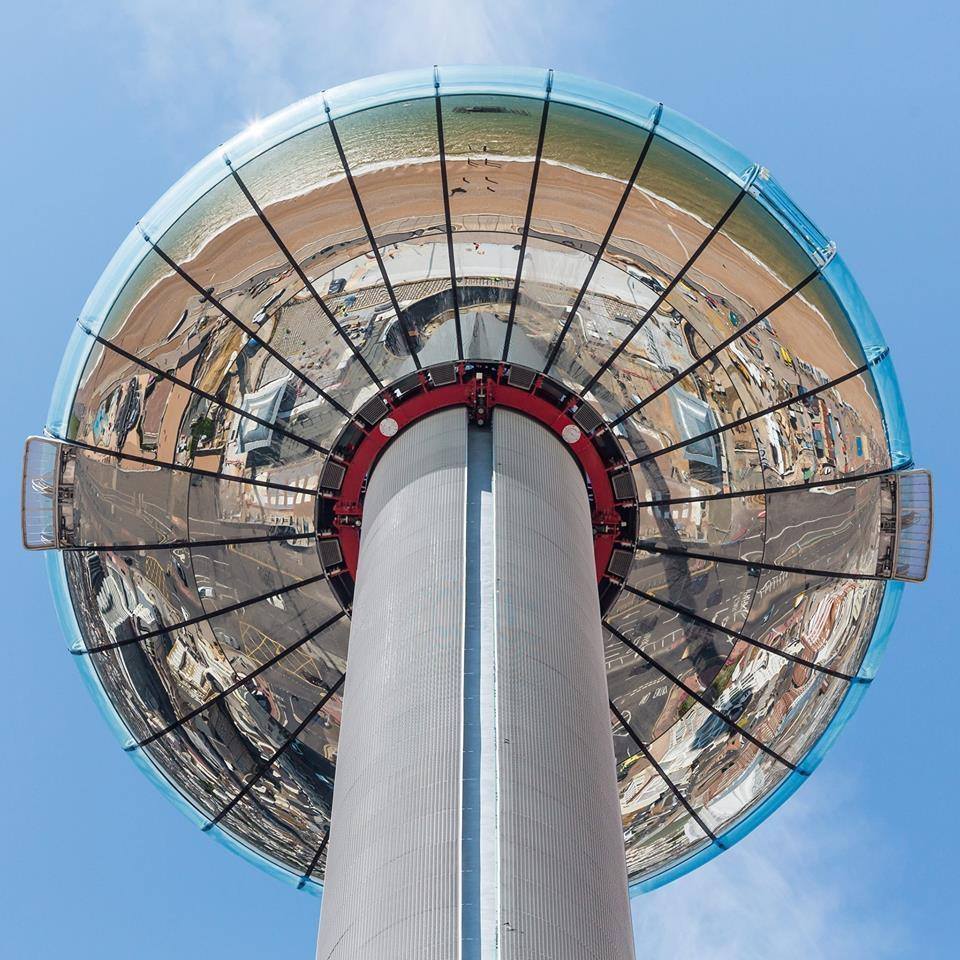 The review, written by the Chartered Institute of Public Finance and Accountancy (CIPFA), goes back to the original 2012 business plan. That plan expected 700,000 to 800,000 visitors a year and nearly £12m in revenue in the first year.
In reality, the i360 averaged about 270,000 visitors a year, roughly a third of the forecast.
According to the review, part of the problem was what the forecasts were compared against. The planners looked at global landmarks: the London Eye, the Eiffel Tower, Toronto’s CN Tower and the Empire State Building. CIPFA says better comparisons would have been British seaside attractions such as Portsmouth’s Spinnaker Tower, Blackpool Tower and SEA LIFE Brighton. Put simply, Brighton was compared with Paris when it should have been compared with Portsmouth.
The review also found weak risk assessment, too little testing of what would happen if things went wrong, and poor monitoring once the tower opened. The plan never properly considered that the company might fail to repay, which would leave the council responsible for the debt.


To be fair to the project, the review notes that the i360 was delivered on time and on budget. The building wasn’t the problem. The business plan was.
How It Fell Apart
The tower opened in 2016, but visitors never arrived in the numbers promised. Covid then shut tourism down. In December 2022, the i360 defaulted on its repayments to the council. Unpaid interest kept being added, and by the end of 2023 the debt had reached £44m.
In December 2024, just before Christmas, the company went into administration. The tower closed immediately and 109 people lost their jobs. By then it owed the council £51m.
No buyer would take on a business carrying that much debt. In January 2025, the council made what its leader, Bella Sankey, called the “least worst” choice: it released its claim on the £51m so administrators could sell the i360 without the debt attached.
Who Is Still Paying
This is the part that matters for Brighton residents.
The council still has to repay the government. It is paying about £2.2m a year and will keep paying until 2041. Roughly £30m is still outstanding. Officials have described the council’s real loss as about £32m, the amount owed to the government, rather than the full £51m, which included interest the council never actually paid out.
The council argues that the i360 is not the main cause of its money problems, pointing instead to cuts in government funding and rising social care and homelessness costs. That’s true, but £2.2m a year still has to come from somewhere. The council leader has previously said missed i360 payments affected funding for early years education and cost-of-living support.
The Second Life
In February 2025, the hospitality group Nightcap, founded by former Dragons’ Den investor Sarah Willingham, bought the i360 out of administration. It took over the remaining 115-year lease and agreed to give the council 1% of future revenue.
The tower reopened in March 2025, with £5 tickets for local residents. Willingham says her company has invested £1.5m, including a new terrace and bar, and that the tower had a strong summer. The 1% share won’t make up for the old losses, but it is more than the council would have got from an empty tower.
The Row Over the Report
The review has had a bumpy journey. Councillor Chris West, who chairs the audit committee, raised concerns about its “thoroughness and accuracy”. He pointed out that the author never spoke to the people who made the original decision in 2014. A planned September debate was postponed. Other councillors pushed for it to be held in public, and one said it would be “shameful” to keep it behind closed doors.
The debate now takes place at the Audit, Standards and General Purposes Committee on Tuesday 24 November.
Brighton Local
For residents, the lesson is clear. The i360 failed because the numbers it was built on were too hopeful, not because of the tower itself, and the council carried all the risk while the upside stayed with the company. The real test of Tuesday’s report is whether it changes how the council decides on its next big project. The Madeira Terrace restoration and the Pavilion Gardens revamp are both underway. For more on what’s happening across the city, see what’s on in Brighton and Hove this week, along with our guides to where to go out in Brighton and making the most of a Brighton weekend.
Related Reading
- What’s On in Brighton and Hove This Week: 16–20 November
- What to do and where to go out in Brighton this weekend 7th to 9th of November
- Brighton & Hove Weekend Guide: 14–16 November 2025