





















Step outside a Kemptown pub on a Friday evening and you will notice a distinct shift in the atmosphere. The familiar congregation of jackets and lighters is quieter than it was three years ago. Brighton nights out have not disappeared, but they have quietly reorganised themselves across seven noticeable changes.
1. The Smoking Area Has Emptied
The forecourt thinning out is not a venue policy, as no new rule pushed people back inside. UK adult smoking rates have consistently fallen to around 11.6 per cent, meaning fewer patrons start the night needing a lighter. That trend dramatically reshaped the outdoor seating areas Brighton pub-goers once took for granted.
The upcoming restrictions on disposable vapes accelerated this shift away from the front doors. Many patrons have pivoted to discreet indoor alternatives, with tobacco-free mango nicotine pouches from Sesh+ Products becoming a common choice for those wanting to avoid the cold entirely. As outside options dwindle, the familiar crowd lingering by the entrance has scattered.
2. Last Orders Creep Earlier
There is a particular flatness to a pub that calls last orders while the room remains packed to capacity. This happens frequently now, driven primarily by operational costs rather than strict local regulations. Rising staffing expenses mean labour represents a massive share of venue overheads, pushing operators to cut late-night hours rather than absorb the financial hit.
Brighton’s independent venues have felt this squeeze as acutely as anywhere else. A traditional 1 am closing often compresses to an 11:30 pm finish, forcing regulars to plan around a premature exit. People simply adjust their arrival times and start the evening earlier to compensate.
3. ID Scanning Is Now Routine
Walking into a small Kemptown pub used to feel completely different from navigating a massive seafront club. That distinction has narrowed since electronic ID scanning became standard practice across nearly all venue sizes. Licensed premises adopted these tighter compliance procedures to satisfy broader regulatory pressures on UK alcohol distribution.
Brighton venues moved collectively on this security update rather than implementing it individually. Regulars who previously relied on a familiar face at the door now carry physical identification out of pure habit. The initial friction caused a few awkward Fridays before the process became an expected entry requirement.
4. The Alcohol-Free Shelf Is a Real Shelf Now
The no- and low-alcohol drinks market has seen a surge, with the volume of sales increasing significantly over the last three years. Brighton’s local bars responded to this shift by providing an actual range of options rather than a single token gesture. What used to be one dusty bottle of alcohol-free lager is now a curated selection of named spirits and craft lagers.
This transition represents a hard demand story rather than a fleeting wellness trend. Venues dedicate valuable real estate to these bottles because patrons actively order them throughout the evening. Bar staff now understand the flavour profiles of their non-alcoholic wines and pour them with the same attention as standard drinks.
5. What People Reach for Instead
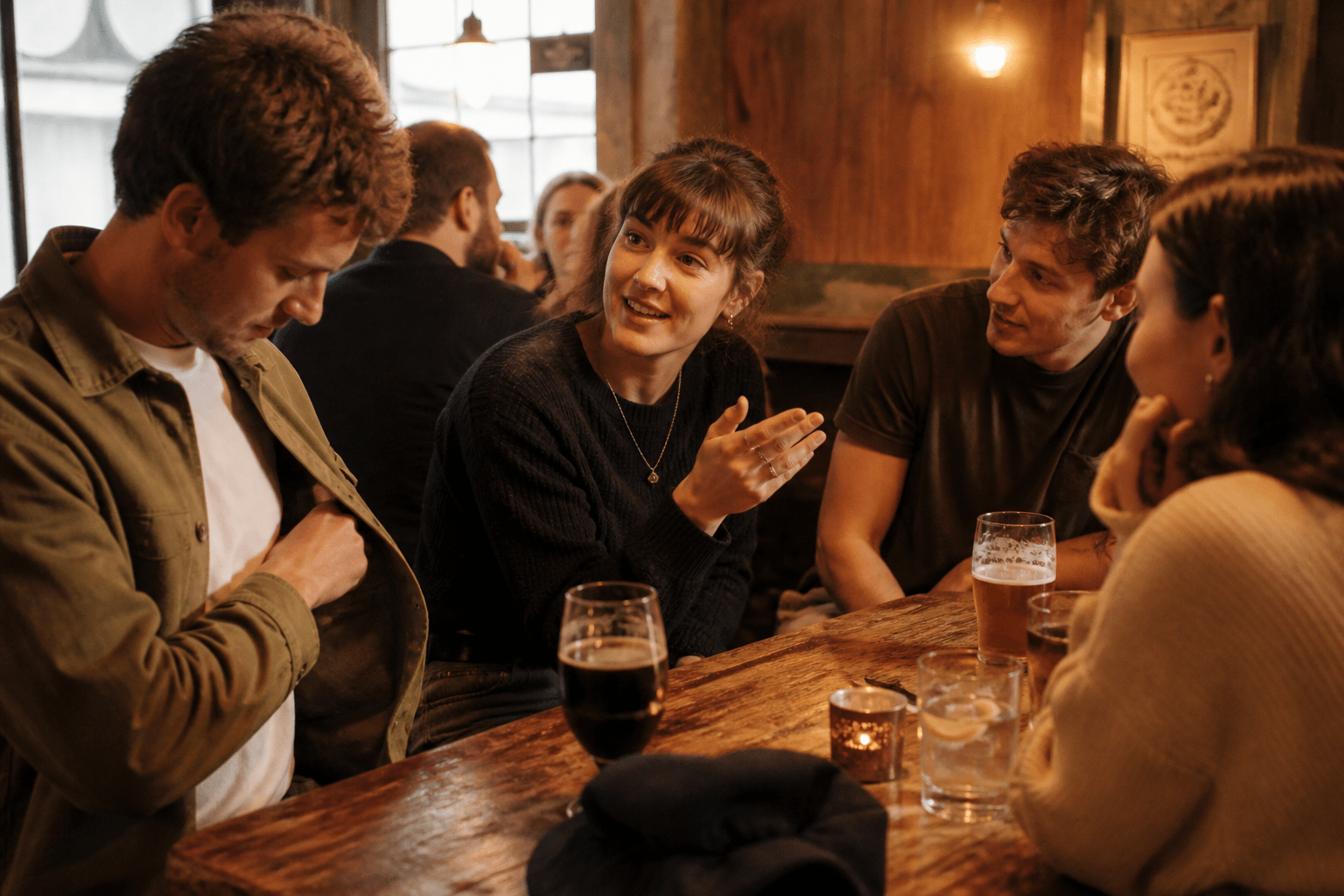
The cigarette break used to serve as a structural pause in the evening, creating a guaranteed ritual exit and return. That familiar rhythm is fading rapidly from the overall shape of a standard Brighton night out. Many current adult nicotine users now prefer to simply stay seated at their tables alongside the rest of their group.


The options they carry have expanded considerably to accommodate this indoor preference. Tobacco-free oral pouches and strips sit discreetly in a pocket, requiring no step outside and no interruption to a conversation mid-flow. Groups that once lost members to the forecourt every hour now stay fully assembled for the majority of the evening.
6. The Seafront Is Where the Night Ends Now
Brighton’s late-night club scene has contracted steadily over recent years. Entry prices at the remaining venues have risen enough to make a spontaneous detour feel like paying for an entirely second night out. The physical seafront has naturally filled this gap, specifically the stretch around the Palace Pier and Madeira Drive.
This area remains consistently open, free to access, and requires zero queuing at a barrier. A seafront finish used to be reserved for warm summer bank holidays, but it has evolved into the ordinary last chapter of a standard Friday. Groups sit scattered across the pebbles or walk the promenade, creating a distinctly local atmosphere that crowded dance floors rarely achieved.
7. Getting Home Looks Different
Brighton and Hove Buses operate late-night services across key local routes, but vehicle frequencies thin out considerably after midnight. Earlier venue closing times have redistributed passenger demand, creating highly concentrated waits rather than spreading journeys evenly across the early hours.
The Old Steine taxi rank and the Kemptown area rank remain the main physical options, though wait times spike sharply when multiple pubs call last orders simultaneously.
App-based private hire networks have shifted post-pub planning behaviour entirely. Booking a ride while still sitting at the venue is now the most practical approach for navigating late-night transport. People frequently share cars back from the seafront, turning what used to be a frustrating physical queue into a simple digital transaction.
| Pro Tip: Book your ride via app before leaving the venue. Earlier closing times concentrate demand, and the Old Steine and Kemptown ranks now see longer queues when multiple pubs empty at once. |
The Bottom Line
The city simply adapted as venues shifted their operational hours and door policies to meet new economic realities. Patrons adjusted their own habits in response, moving away from the forecourt cigarette break in favour of discreet tobacco-free pouches that keep groups together at the table.
The fundamental rhythm includes earlier endings, quieter entrance spaces, expanded alcohol-free selections, and an eventual migration to the pebbles. Brighton nights out still happen every weekend, but they proceed under slightly different rules and a much more pragmatic local timeline.
| Author Profile: Sesh+ Products is a premium nicotine pouch manufacturer specialising in tobacco-free oral nicotine delivery systems designed for adult consumers aged 21 and older. |