



















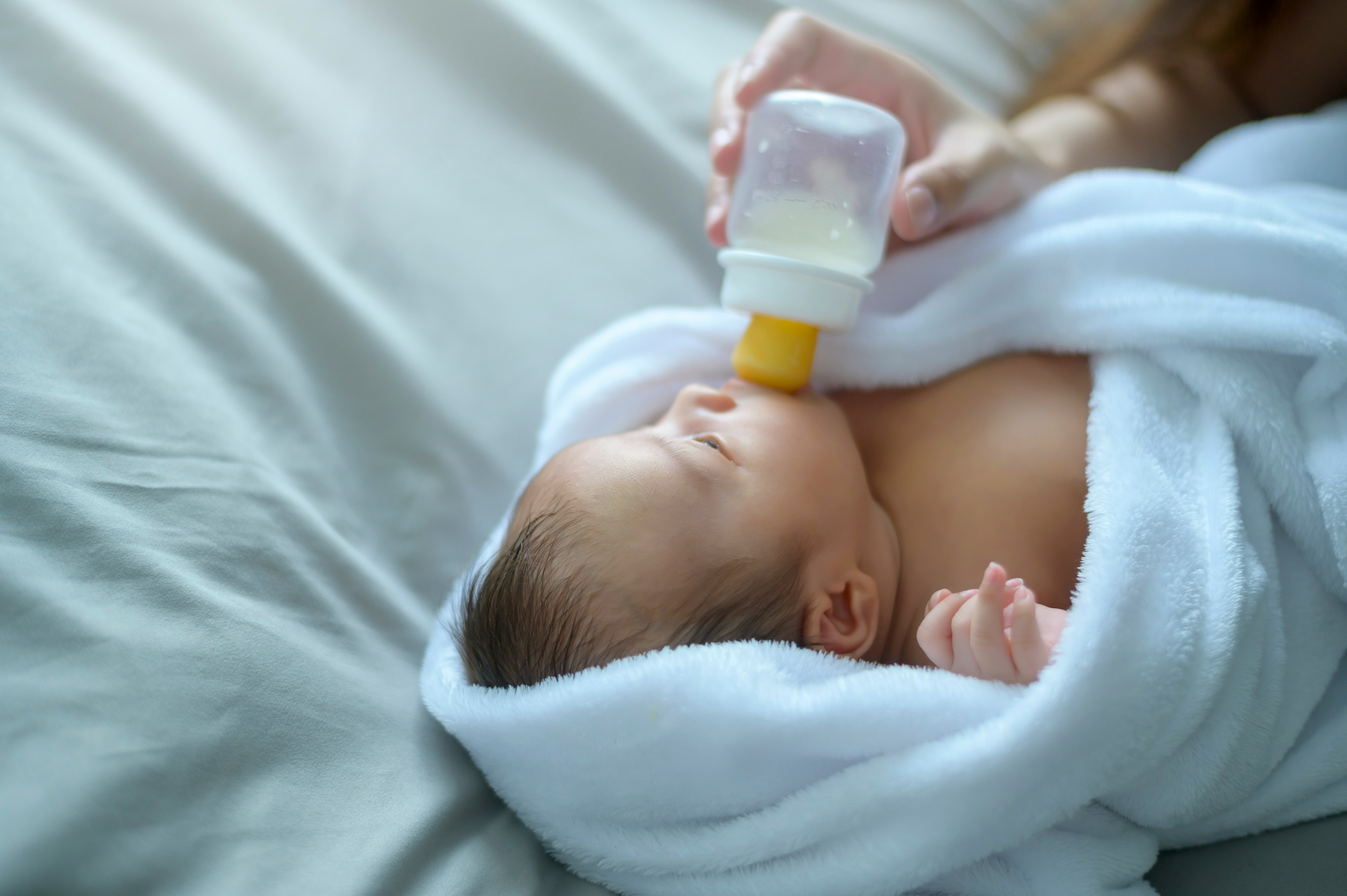


As a parent of a newborn baby, maintaining safety will be your top priority. Ensuring a safe environment is not enough—you must make sure that everything that touches your baby is clean, like clothes, diapers, and especially their milk bottles. But how long are bottles sterile for after putting them in the sterilizer?
Hygiene plays a crucial role when it comes to your baby’s health—especially with their feeding bottles since they directly have contact with your baby. It is only with a proper sterilization that the harmful bacteria buildup is prevented and that the baby can safely use the feeding bottle. This guide will help you determine the significance of sterilization, the time of sterilization of your bottles, and such aspects as influences on the length of stay of bottles under sterilization. The following will assist you in making sure that your baby is safe and healthy.
The Importance of Bottle Sterilization
Residual formulas that are left from washing may cause the bacteria to linger on the feeding bottles, and that is where the importance of sterilizing comes in. Sterilization is way different from washing—it only eliminates visible residue, and does not completely clean the item.
- Protects the Immune System
The immune system of newborn babies is vulnerable compared to that of adults and is likely to contract bacterial infections. To remove it, sterilization makes use of heat, steam, and ultraviolet light. In this manner, the risk of getting such widespread diseases as diarrhea and gastroenteritis is minimized.
- Removes Hidden Residue
The washing of the bottles leaves residue around the bottles and their portions. The sterilization process consists of applying heat to kill the bacteria that the standard method of cleaning is not able to kill.
Modern sterilizers, like the Momcozy bottles and sterilizer, make this process faster and easier. They use high-temperature steam or UV light to kill 99.9% of germs without the need for harsh chemicals—giving parents peace of mind and saving precious time.
How Long Are Bottles Sterile For in a Sealed Container?
The bottles remain sterile depending on how you store them after placing them in a sterilizing appliance. The bottles will remain sterile for up to twenty-four hours as long as they are inside the sterilizer without being exposed to external air. Also, there are some bottle sterilizer models that have a feature where it prevents recontamination through keeping the bottles free from the air outside.
Nonetheless, once you open the sterilizer while the bottles are there, they are not sterile anymore. Thus, it is advisable to run another sterilization process to ensure the safety of your baby. Bacteria may linger again once dust or air touches the bottle. Just remember this rule, the moment the bottles are opened, sterilize them again before using them for your baby.
Factors Affecting How Long Bottles Stay Sterile
The feeding bottles are not sterile anymore once they are exposed to the air outside. Being aware about the factors that affect how long bottles remain sterile is important for safe use.
Take note of these factors:


- Storage Method
The process of your sterilization affects their sterility period. You do not have to worry about the bottles being contaminated as long as they are sealed in the sterilizer. However, once these bottles are exposed to outside air, it is better to re-sterilize them because they are already prone to contamination.
- Way of Handling
Contamination is often caused by contact. Always make sure you wipe off dirty hands or use inoculated tongs to take out the items in the unit. Sterility may be compromised by touching dirty hands or dirty clothes. Cleaning is also very important; perhaps you could buy a baby breastfeeding bottle cleaner, which is safe, convenient, and quick.
- Surface Contamination
It is important to have a surface where the bottle is touching directly after the sterilization process. When a sterile nipple or bottle base is placed on the counter, in the dirty drying pad, or on a regular dish rack, the pathogens will be immediately transferred. Always put baby items into a special, fresh, newly washed surface or drying rack.
- Moisture and Residue
Any existence of moisture or leftover formula/milk has the potential to precipitate microbial growth. This is the reason a drying feature is so invaluable, as the moisture content in one will otherwise destroy the hygiene of the bottle.
When to Re-Sterilize Baby Bottles
When the sterility of any item is compromised, it needs to undergo a complete cleaning and sterilization procedure before being presented to your baby.
- Time Limit Has Passed
When a sealed container is not yet opened and exposed to external air within twenty-four hours, it is still sterile. But when, over a period of six hours, the bottle is exposed to outside air, then it is necessary to re-sterilize.
- The Item is Dropped
When a sterilized bottle, nipple, or pacifier drops to the floor, the counter, or any other non-clean surface, it is automatically contaminated and needs to be re-sterilized.
- Broken Seal
It happens that you just moved the sterilizer lid, even to get a glance at one thing or another, the contents of the entire unit are regarded as re-exposed and should be used within a few hours or re-sterilized.
- Before First Use
All new feeding materials, such as new ones provided by the factory or hand-me-down need to be sterilized first before their first exposure to your baby.
- Post-Illness Protocol
It is important to remember that, in case your baby recently overcame a contagious disease, and especially an infection of the gastrointestinal tract, it is important to re-sterilize all feeding materials as well as any other oral objects to avoid re-infection.
Do You Still Need to Sterilize Bottles?
As soon as your baby reaches particular milestones, most parents ask themselves the question of whether or not it is necessary to be sterilised anymore. This will depend on the age of your baby, health, and environment.
In the case of babies who are below the sixth month of age, sterilization is highly advisable since the immune system is still developing. Subsequently, when your baby is well and your bottles are rinsed properly after each application, you can sterilize them every so often; however, it is an excellent method of making sure you’re safe after illness.
For older babies, sterilization may also be used, which prevents milk residue as well as ensures that the bottles are clean and not smelly. Always remember that prevention is better than a cure.
Conclusion
Knowing how long a bottle is sterile is important for the safety of your baby. Well-stored, sterilized bottles remain germ-free for extended periods of up to 24 hours, but in reality, they are handled, and their shelf time is reduced.
A regular cleaning and sterilization schedule, combined with safe storage habits, is a way of assuring that all feedings are kept as hygienic as possible. Making sure that you invest in a think and likes system, such as the Momcozy bottles and sterilizer, this process can be brought to a stage that is simple, efficient, and stress-free so that you can concentrate more on your baby and less on the routine of cleaning things, which is the case on a daily basis.