



















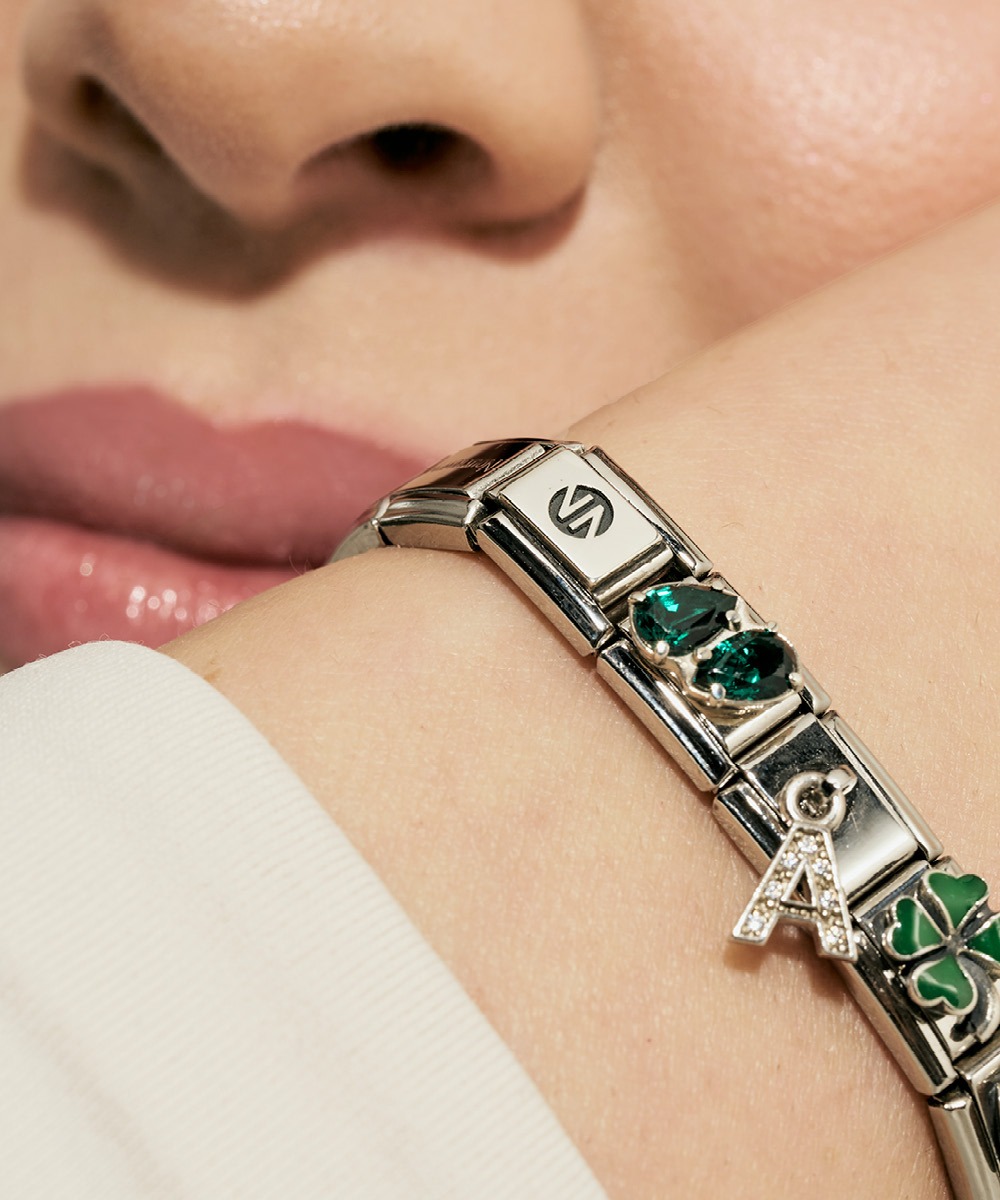


Today, lucky charm jewellery combines ancient traditions with contemporary design. Whether worn as a bracelet, necklace or ring, these meaningful accessories allow people to express their personality while carrying a symbol that feels deeply personal.
Far from being a passing fashion trend, lucky charm jewellery continues to appeal to those looking for pieces with both aesthetic and emotional value.
Why lucky charms never go out of style
Fashion trends come and go, but symbols remain surprisingly timeless.
One reason is that lucky charms are open to personal interpretation. The same symbol can represent different things depending on the wearer. For one person, it may be a reminder to stay optimistic; for another, it may celebrate family, friendship or a fresh start.
This emotional connection makes symbolic jewellery feel much more meaningful than accessories chosen purely for their appearance.
In recent years, there has also been a growing appreciation for jewellery that tells a story rather than simply following seasonal trends.
The history behind lucky charm jewellery
The tradition of wearing lucky charms dates back thousands of years.
Ancient civilisations believed certain objects could offer protection against misfortune or attract prosperity. Amulets were worn in Ancient Egypt, protective talismans appeared throughout the Roman Empire, while many European cultures developed their own symbols associated with luck and wellbeing.


In Italy, symbolic jewellery has a particularly rich heritage. Charms such as the cornicello (the traditional Italian horn), the Mano Cornuta and the Mano Fico have long been associated with protection against negative energy and the evil eye. These symbols are still widely recognised today and have inspired many contemporary jewellery collections.
Modern lucky charm jewellery takes inspiration from these traditions while embracing clean lines, minimalist styling and premium materials.
The most popular lucky charms in jewellery
Some symbols have remained favourites for generations because of the positive meanings attached to them.
Four-leaf clover
Perhaps the world’s best-known lucky charm, the four-leaf clover is believed to represent hope, faith, love and luck.
Its simple shape makes it suitable for necklaces, bracelets, earrings and rings.
Horseshoe
Traditionally associated with protection and prosperity, the horseshoe has been worn as a lucky symbol across Europe for centuries.
Many jewellery designers reinterpret it in sleek, contemporary styles that suit everyday wear.
Evil eye
The evil eye symbol has become increasingly fashionable in recent years.
Although rooted in ancient Mediterranean traditions, it is now appreciated worldwide both for its distinctive appearance and its association with protection.
Lucky star
Stars often symbolise guidance, dreams and new beginnings.
A delicate star charm is a versatile choice that suits people of all ages.
Heart
Although usually associated with love, the heart also represents kindness, emotional strength and meaningful relationships, making it one of the most enduring symbolic charms.
Italian lucky charms and their growing popularity
Italy has one of Europe’s richest traditions when it comes to symbolic jewellery.
The red cornicello remains one of the country’s most recognisable lucky charms. Traditionally given as a gift rather than bought for oneself, it is believed to offer protection and attract positive energy.
Another distinctive Italian symbol is the Mano Cornuta, a hand gesture transformed into jewellery that has been associated with warding off bad luck for generations.
Today, these traditional motifs are being reimagined by contemporary jewellers in elegant gold, sterling silver and enamel designs, allowing them to appeal to both younger customers and international audiences.
Choosing the right lucky charm
There is no universal definition of the “best” lucky charm.
The most meaningful choice is often the one that reflects your own experiences, beliefs or aspirations.
Some people choose symbols connected to family traditions, while others prefer charms that represent personal goals or important life events.
Questions worth considering include:
- Does the symbol have personal significance?
- Will it be worn every day or only on special occasions?
- Does it suit your personal style?
- Would you prefer a subtle design or a more noticeable statement piece?
The strongest emotional connection usually comes from choosing a charm with genuine meaning rather than following current trends.
Materials that enhance symbolic jewellery
Lucky charm jewellery is available in a wide range of materials, each offering a different look and feel.
Sterling silver
Elegant, versatile and easy to wear every day, sterling silver remains one of the most popular choices for symbolic jewellery.
Gold
Gold gives lucky charms a timeless appearance and is often chosen for gifts celebrating important milestones.
Yellow gold highlights traditional symbols beautifully, while white and rose gold offer a more contemporary finish.
Natural gemstones
Many lucky charm designs incorporate gemstones believed to carry their own symbolic meanings.
For example, turquoise is often associated with protection, while green stones are commonly linked with growth and prosperity.
Lucky charm jewellery as a thoughtful gift
One reason lucky charms remain so popular is their suitability for almost any occasion.
They make meaningful gifts for:
- birthdays;
- graduations;
- weddings;
- anniversaries;
- new jobs;
- new homes;
- retirement;
- Christmas.
Unlike jewellery chosen purely for fashion, a symbolic charm often becomes more meaningful as time passes.
It can remind the wearer of the person who gave it, the occasion it celebrates or the hopes associated with a particular stage of life.
Modern jewellery trends inspired by symbolism
Today’s jewellery designers are increasingly combining traditional symbols with minimalist aesthetics.
Current trends include:
- tiny charm pendants;
- layered necklaces featuring multiple symbols;
- stackable charm bracelets;
- engraved lucky symbols;
- mixed-metal jewellery;
- personalised combinations of initials and charms.
Rather than wearing one large symbol, many people now create collections of smaller charms that tell their own personal story over time.
How to style lucky charm jewellery
One of the advantages of lucky charm jewellery is its versatility.
A single charm necklace works beautifully with everyday outfits, while layered bracelets allow several meaningful symbols to be worn together without appearing overly decorative.
Minimalist designs also transition easily from workwear to evening outfits, making them practical additions to any jewellery collection.
The key is balance. Allow one or two symbolic pieces to stand out rather than wearing too many charms at once.
More than an accessory
Lucky charm jewellery continues to captivate because it brings together beauty, tradition and personal meaning. While fashions evolve, the desire to wear something that represents hope, protection or happy memories remains constant.
Whether inspired by centuries-old Italian traditions or modern minimalist design, lucky charms offer something unique: jewellery that doesn’t simply complete an outfit but tells a story. And in a world where personal expression matters more than ever, that’s a quality that never goes out of style.