




















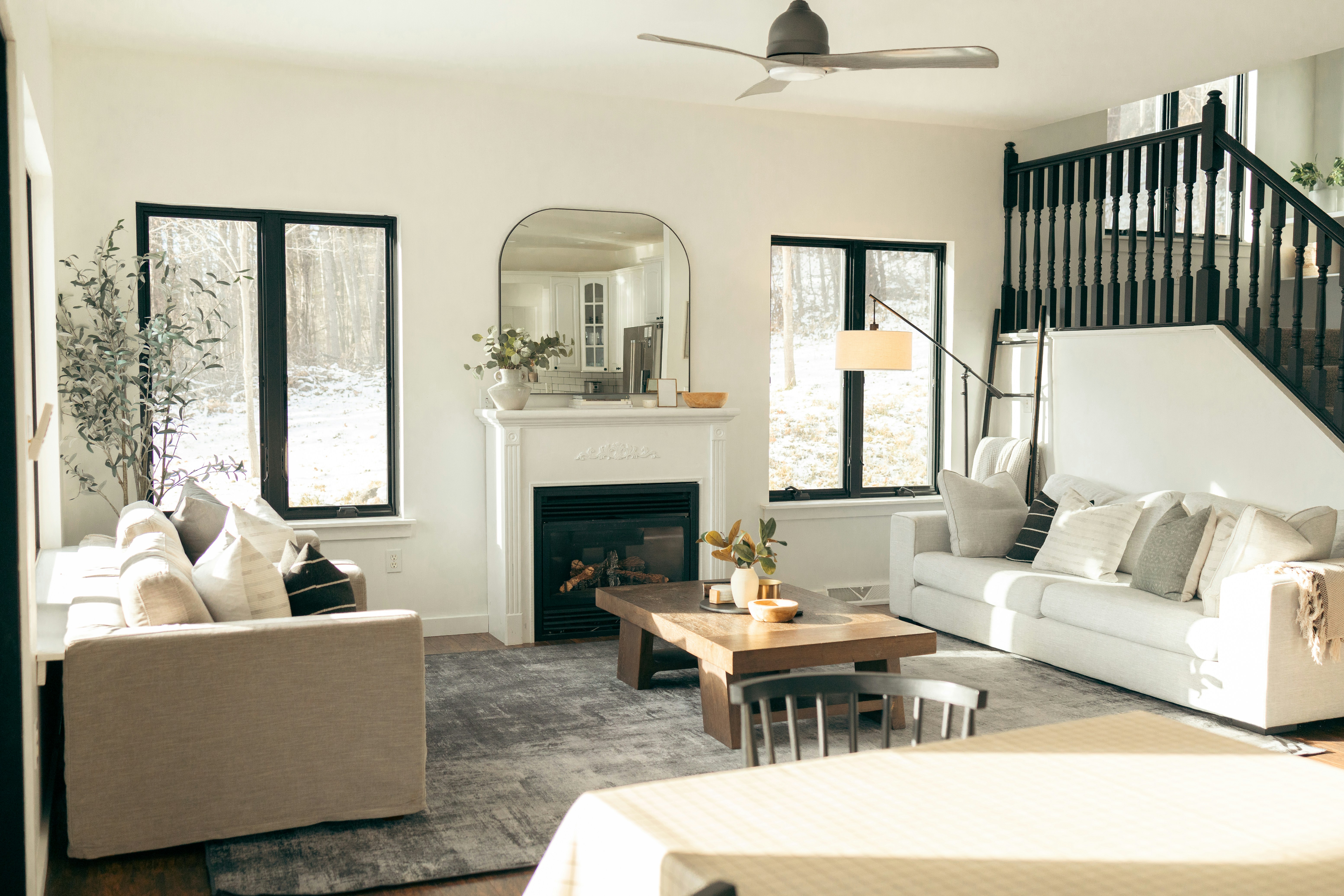


Creating a comfortable indoor environment is about far more than adjusting the thermostat. Whether it’s an office, retail unit, hotel, apartment building or commercial property, indoor comfort influences how people feel, work and interact with a space every day.
Maintaining pleasant conditions throughout the year requires a combination of effective climate control, good building management and thoughtful design. By taking a proactive approach, property owners can create spaces that remain welcoming in every season while supporting energy efficiency and long-term performance.
Focus on Consistent Temperature
One of the biggest contributors to indoor comfort is maintaining a stable temperature. Spaces that are too warm, too cold or prone to sudden fluctuations can quickly become uncomfortable for occupants.
Modern heating and cooling systems allow buildings to maintain more consistent conditions throughout the year, helping people remain comfortable regardless of outdoor weather. Studies have shown that stable indoor environments also support better productivity and overall occupant satisfaction.
Improve Air Quality
Comfort is not determined by temperature alone. Fresh, clean air plays an equally important role.
Good ventilation helps remove stale air while reducing humidity, airborne particles and unpleasant odours. Regularly replacing air filters and servicing HVAC equipment ensures systems continue operating efficiently while maintaining healthier indoor environments.
Choose the Right Cooling Solution
As temperatures rise in many parts of the world, effective cooling has become increasingly important for commercial properties.


The right system depends on the building’s layout, occupancy and available space. For many urban buildings where installing external condenser units can be difficult, water cooled air con offers an effective solution that delivers reliable climate control while accommodating the practical constraints of many commercial properties.
Make Better Use of Natural Light
Natural light helps create bright, welcoming spaces while reducing reliance on artificial lighting during the day.
Positioning workstations near windows, using glass partitions and selecting light interior finishes can maximise daylight without creating excessive glare. Window coverings can also help regulate solar heat gain during warmer months while retaining warmth during colder periods.
Control Humidity Levels
Humidity has a significant impact on how comfortable a space feels. Air that is too dry can cause irritation, while excessive humidity often makes indoor environments feel warmer than they actually are.
Many modern climate control systems help regulate humidity alongside temperature, creating a more balanced indoor environment throughout the year. Experts recommend considering humidity, airflow and radiant heat together rather than relying on air temperature alone when assessing thermal comfort.
Keep Air Moving
Air circulation helps distribute temperatures more evenly throughout a building and prevents certain areas from becoming noticeably warmer or colder than others.
Well-designed ventilation systems, ceiling fans and carefully positioned air vents all contribute to a more consistent indoor environment while reducing hot and cold spots.
Carry Out Regular Maintenance
Even the best heating and cooling systems require ongoing maintenance to perform at their best.
Routine servicing helps identify worn components, clean filters, optimise performance and reduce the likelihood of unexpected breakdowns. Preventative maintenance also helps improve energy efficiency and extend the lifespan of building systems.
Design Spaces Around Their Purpose
Different environments have different comfort requirements. A busy office, retail store, hotel lobby and meeting room all place varying demands on heating, cooling and ventilation.
Designing climate control around how each space is actually used helps create a more comfortable experience for occupants while avoiding unnecessary energy consumption.
Think Beyond the Current Season
Creating comfortable indoor spaces is a long-term investment rather than a seasonal task. As buildings evolve and weather patterns continue to change, organisations that plan ahead will be better equipped to provide consistent comfort all year round.
By combining efficient climate control, regular maintenance, good ventilation and thoughtful building design, property owners can create indoor environments that support wellbeing, productivity and positive experiences regardless of the season.