




















Strong workplace relationships are one of the foundations of a successful organisation. Teams that communicate well, trust one another and understand each other’s strengths are generally more productive, more resilient and better equipped to solve problems together. Traditionally, businesses have relied on full-day away days or off-site events to encourage these connections, but this is no longer the only effective approach.
With increasing workloads, hybrid working and greater pressure to maintain productivity, many organisations are looking for ways to strengthen their teams without removing employees from their responsibilities for an entire day. Fortunately, meaningful relationship building does not have to come at the expense of valuable working time. Small, intentional opportunities to connect can often have a lasting impact when they become part of everyday working life.
Create Opportunities for Genuine Conversation
Relationships rarely develop through formal meetings alone. While project updates and performance discussions are important, they seldom allow colleagues to get to know one another beyond their job roles.
Creating regular opportunities for informal conversation can make a noticeable difference. Whether it is a short coffee catch-up, a team breakfast or a relaxed discussion before a meeting begins, these moments help employees discover shared interests and build familiarity. Over time, this familiarity contributes to stronger trust and more comfortable communication.
The key is consistency rather than scale. Small interactions repeated regularly often produce deeper connections than occasional large events.
Encourage Cross-Team Collaboration
Many organisations naturally operate in departments that rarely interact with one another. Marketing may have little contact with finance, while operations may only occasionally work alongside customer service. This separation can create unnecessary barriers and limit understanding between teams.


Introducing collaborative projects or short problem-solving exercises involving employees from different departments encourages new relationships to develop. People gain greater appreciation for each other’s responsibilities while learning how different parts of the organisation contribute towards shared objectives.
These experiences also make future collaboration smoother, as employees are more likely to communicate confidently with colleagues they have already worked alongside.
Integrate Team Building Into the Working Day
One of the biggest misconceptions about workplace engagement is that it requires employees to leave the office for several hours or even an entire day. In reality, many highly effective activities can take place within existing work schedules.
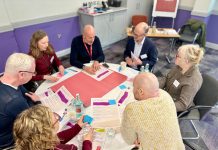
Brief challenges, collaborative workshops or creative exercises lasting less than an hour can refresh employees without significantly affecting productivity. When thoughtfully planned, these sessions feel like a natural extension of the working day rather than an interruption.
Many organisations draw inspiration from companies like The Big Smoke Events when designing short, engaging experiences that encourage communication and teamwork while fitting comfortably around operational demands.
Celebrate Everyday Successes
Recognition plays an important role in strengthening workplace relationships. Employees who feel appreciated are often more willing to support colleagues, contribute ideas and participate in team activities.
Celebrations do not need to be elaborate. Acknowledging completed projects, recognising individual achievements or simply thanking teams for their efforts helps create a more positive working environment.
When success is shared openly, employees begin to associate teamwork with positive outcomes, reinforcing behaviours that benefit the organisation as a whole.
Make Meetings More Interactive
Meetings are often viewed as purely functional, but they can also become valuable opportunities for relationship building.
Starting with a short icebreaker, encouraging collaborative discussion or inviting different team members to lead sections of the meeting can increase participation and strengthen communication skills. These small adjustments help employees become more comfortable contributing their ideas while learning from one another.
Interactive meetings also reduce the feeling that collaboration only happens during special events. Instead, teamwork becomes embedded within everyday business activities.
Support Hybrid and Remote Employees
As flexible working becomes more common, maintaining strong relationships requires greater intentional effort. Employees working remotely may miss out on informal conversations that naturally occur in shared workplaces.
Regular virtual coffee chats, online quizzes, collaborative workshops and informal video calls can help bridge this gap. While these activities may seem simple, they provide valuable opportunities for remote colleagues to build familiarity and remain connected with the wider team.
Organisations that actively include hybrid employees in social and collaborative activities are more likely to maintain a unified culture despite differences in working locations.
Encourage Peer Learning
Another effective way to strengthen relationships is by giving employees opportunities to learn from one another. Short knowledge-sharing sessions allow individuals to demonstrate expertise while helping colleagues develop new skills.
These sessions can cover anything from technical knowledge and industry trends to productivity tips or creative problem-solving techniques. As employees teach and learn together, mutual respect naturally grows.
Peer learning also highlights the diverse talents within an organisation, helping people appreciate contributions that might otherwise go unnoticed.
Strong Relationships Grow Through Everyday Habits
Building better workplace relationships does not always require expensive away days or lengthy programmes. While larger team-building events certainly have their place, the strongest workplace cultures are often created through consistent, everyday interactions that encourage trust, communication and collaboration.
By integrating relationship-building opportunities into the normal working day, organisations can strengthen connections without sacrificing productivity. Over time, these regular moments of collaboration create teams that communicate more openly, support one another more effectively and work together with greater confidence, ultimately benefiting both employees and the organisation as a whole.