


















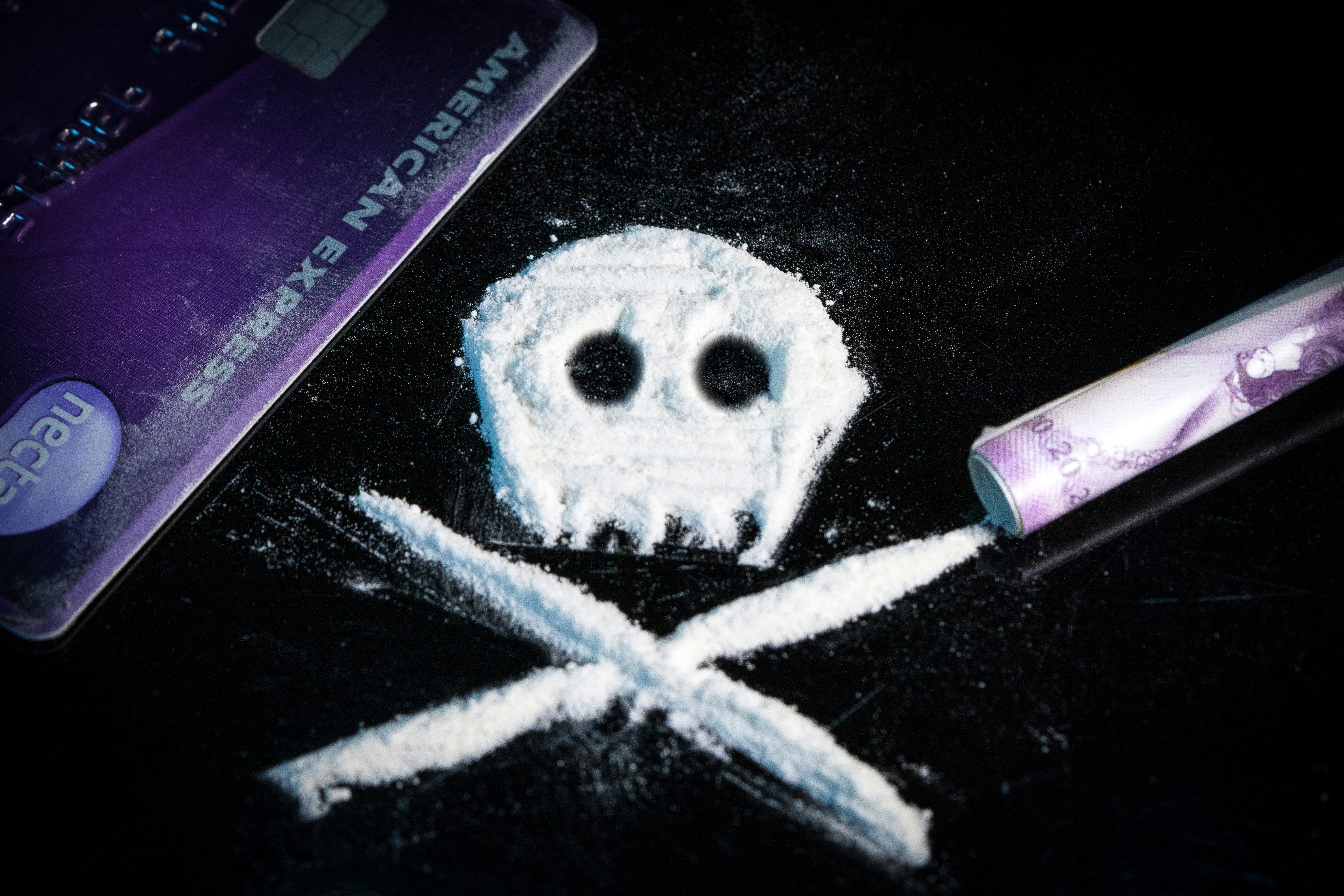


Not everyone who uses recreational drugs will develop a dependency or addiction. However, the line between occasional use and a pattern that is affecting someone’s wellbeing can sometimes shift gradually. What begins in social settings or as an occasional way to relax may become more frequent, harder to control or increasingly important in day-to-day life.
Recognising when drug use is becoming a concern can make it easier to seek appropriate support before its effects become more disruptive.
When Occasional Use Starts to Change
Frequency alone does not always tell the whole story. Someone might use a substance relatively infrequently but experience significant consequences, while another person may notice their use increasing over a longer period.
A more useful question can be how much control someone feels they have over their drug use. They may intend to use a certain amount but regularly use more, find it difficult to take a break or spend increasing amounts of time thinking about when they will next use drugs.
Using substances to manage difficult emotions, stress, sleep or everyday situations can also indicate that the relationship with drugs is changing.
Changes in Everyday Life
Drug use can become a more serious concern when it begins affecting areas of life that were previously stable. This might include regularly missing work or other commitments, experiencing financial difficulties or becoming less interested in hobbies and social activities.
Relationships can change too. Someone may become more withdrawn from family and friends or begin organising their time primarily around opportunities to use drugs.
These changes do not automatically mean someone is living with an addiction. Looking at patterns over time, rather than judging an isolated behaviour, can provide a clearer picture.
Physical and Emotional Signs
Different substances affect people in different ways, so there is no single appearance or behaviour that identifies addiction.
Changes in sleep, appetite and energy levels can sometimes accompany increased drug use. A person may also experience mood changes, anxiety, irritability or difficulty concentrating. Tolerance can develop with some substances, meaning larger amounts are needed to achieve effects that previously occurred with smaller amounts.


Withdrawal symptoms when reducing or stopping a substance can be another indication of physical dependence. Depending on the drug involved, these symptoms can range considerably in type and severity.
For a broader overview, the signs of drug addiction, explained by Castle Health provides information on physical, psychological and behavioural changes that may be worth noticing.
Difficulty Cutting Down
One particularly important sign is repeatedly wanting to reduce or stop drug use but finding it difficult to do so.
A person might set limits for themselves and regularly exceed them, take breaks that become shorter than intended or return to using despite recognising unwanted effects on their health, relationships or responsibilities.
This does not reflect a lack of character or determination. Drug dependence and addiction are complex health concerns influenced by physical, psychological and social factors.
Seeking Support Without Judgement
There does not need to be a crisis before someone asks for help. If recreational drug use feels increasingly difficult to control or is having an unwanted effect on everyday life, discussing it with a healthcare professional or specialist service can be a constructive next step.
Approaching the subject with curiosity rather than criticism is equally important when you are concerned about somebody else. Listening, avoiding labels and encouraging professional guidance can create space for an open conversation and help the person consider what kind of support feels right for them.