




















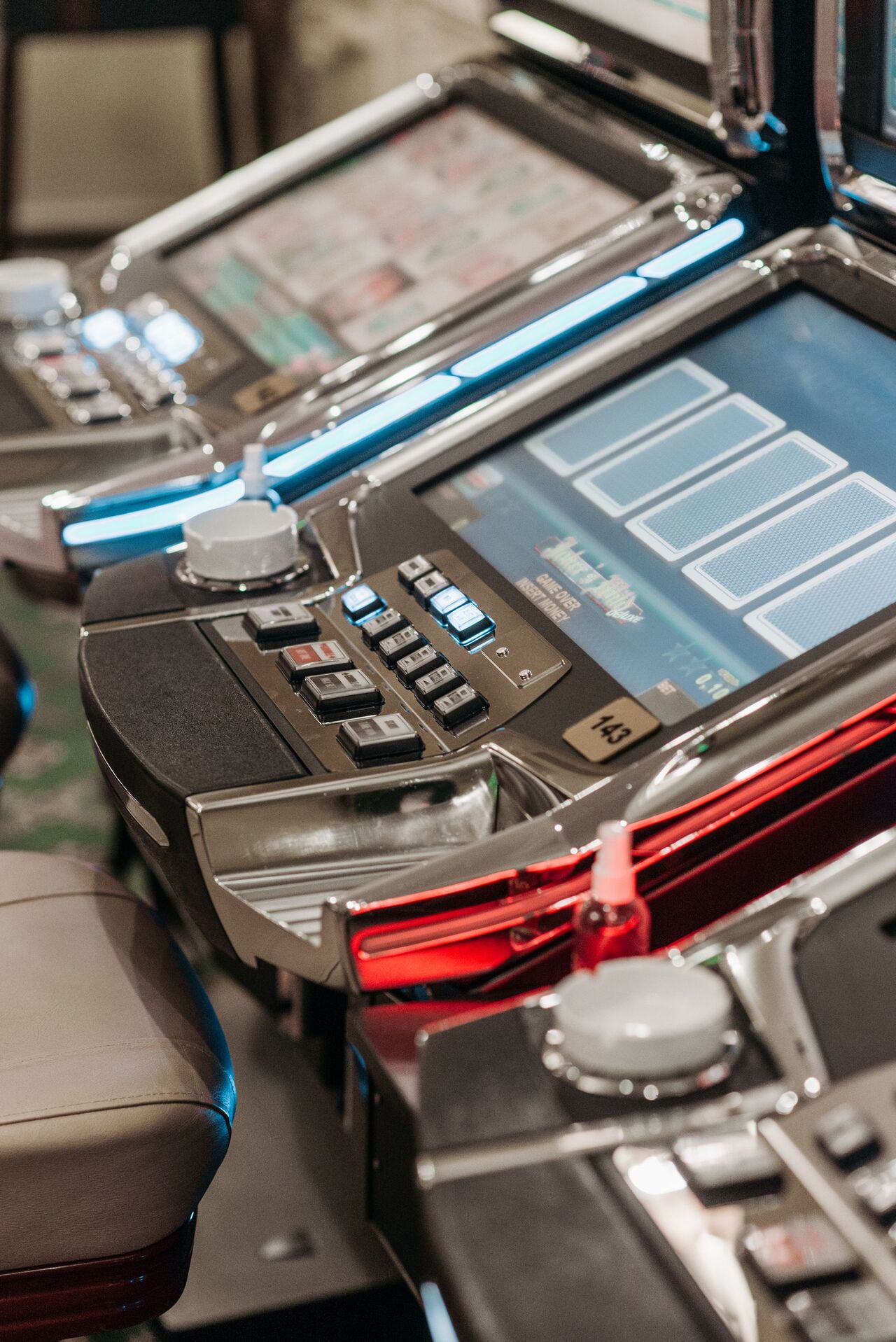


Betting shops and casinos can share some visual features – rows of machines, screens and branded displays – but that does not make them the same type of premises. In Brighton, as elsewhere in Great Britain, the legal distinction depends on the premises licence and on the categories of gaming machine that may be made available there.
That distinction is more useful than judging a venue by atmosphere. The rules set different limits on where particular machine categories can be offered, as well as on maximum stakes and prizes. Those details also help explain why changes to machine regulation should not automatically be treated as evidence about how customers behave or how long they remain in a shop.
What changed in 2019
The most significant recent change for fixed-odds betting terminals came into force on 1 April 2019. The Gaming Machine (Miscellaneous Amendments and Revocation) Regulations 2018 reduced the maximum stake on Category B2 machines from £100 to £2. B2 machines, commonly known as fixed-odds betting terminals, may be provided in casinos, betting shops and tracks with pool betting.
The change was therefore specific: it altered the permitted stake for B2 machines. It did not turn betting shops into casinos, nor does the regulation itself establish that customers stayed longer, played more frequently or moved to other gambling products. Claims about those behaviours would require separate evidence.
Machine categories matter more than appearances
The Gambling Commission’s current machine-category guidance shows why broad comparisons can be misleading. Category B1 machines have a maximum stake of £5 and are permitted in casinos. Category B2 machines have a £2 maximum stake and can be offered in casinos and betting premises, while Category B3 machines also have a £2 maximum stake and are permitted across a wider range of licensed premises, including betting shops, bingo premises and adult gaming centres.
A single machine can also contain games from more than one category. That makes claims such as ‘the same machine’ or ‘the same odds’ unreliable unless the particular game, category and technical configuration have been checked. The Gambling Commission also notes that return-to-player figures are theoretical averages measured over many games and can vary between games, so they should not be treated as proof that two products produce identical outcomes.
The same need for precision applies when comparing land-based machines with products offered through an online casino. Remote casino products are governed through remote operating licences rather than simply inheriting the classification of a B2 or B3 machine in a shop. The comparison can be useful when discussing regulation, but the products and rules should not be collapsed into a single category.
Online slots now have separate stake limits
Great Britain introduced statutory maximum stakes for online slots in 2025 through the Gambling Act 2005 (Operating Licence Conditions) (Amendment) Regulations 2025. The rules set a maximum of £5 per game cycle for customers aged 25 and over and £2 for customers aged 18 to 24, following a transitional period. Importantly, these limits apply specifically to online slots; they are not a general stake rule for every product offered by a remote casino operator.
That chronology may invite comparisons with the 2019 B2 stake reduction, but the two measures concern different products and regulatory settings. It would therefore be too strong to describe them as the same story or to infer from the legislation alone that one channel gained customers because another faced tighter limits.
What the rules do – and do not – tell us about Brighton
For a Brighton betting shop, the national framework explains which machine categories may lawfully be offered and the limits attached to them. It does not, by itself, show whether local shops have become more or less social, whether customers spend longer on the premises, or whether changes in shop numbers were caused by the 2019 stake reduction.


Those are separate questions that would need local business data, operator reporting or independent research. Keeping that distinction clear produces a more accurate picture: betting shops can contain regulated gaming machines, but their legal status, machine entitlements and operating framework remain distinct from those of casinos and remote gambling services.