





















Britain’s seaside arcades developed as a recognisable feature of resorts such as Brighton, Blackpool and Margate. Their history overlaps with gambling regulation, but the arcade tradition is broader than casino gaming: amusement machines, prize games and later video-based attractions evolved in venues designed for seafront and holiday trade rather than as scaled-down casinos.
A seafront culture built around machines
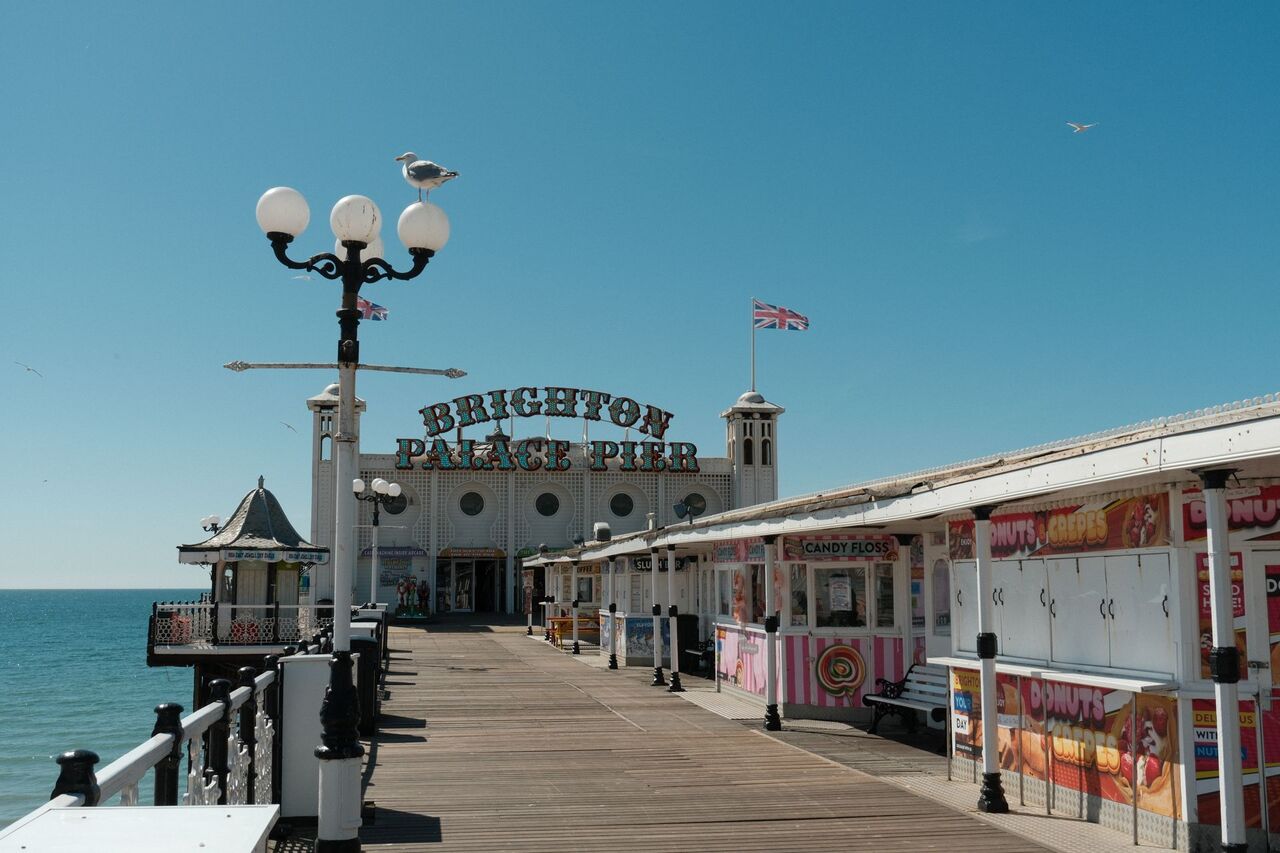
Brighton’s connection with coin-operated amusements can be traced through surviving collections. Brighton & Hove Museums describes a fortune-telling slot machine that once stood on Palace Pier and dates it to the early 1930s. Objects of this kind illustrate how mechanical amusements became part of the visual culture of the British seaside long before today’s electronic arcades.
The setting is important. Piers, promenades and holiday centres brought together entertainment aimed at short visits and mixed-age audiences. That history should not be collapsed into a single story about gambling: some machines were amusements, while others fell within gaming-machine rules that changed over time.
For that reason, comparing arcade culture with casinos in terms of which was ‘bigger’ is not especially meaningful. They developed under different licensing arrangements and served different types of premises. A more useful question is how machine-based entertainment became embedded in seaside resorts and how regulation later drew boundaries between family-accessible and adult gambling environments.
Different machines, different regulatory categories
Modern regulation preserves those distinctions. The Gambling Commission divides gaming machines into categories according to factors including maximum stakes and prizes. Family entertainment centres can make Category D machines available, while licensed family entertainment centres may also offer Category C machines under the relevant permissions. Category D machines have no statutory minimum player age, whereas other categories are subject to tighter age restrictions.
This remains relevant in seaside towns because family entertainment centres are places to which children may have access. In a June 2026 parliamentary answer, the government described Category D machines as a staple of the family arcade environment while referring to ongoing work on stakes, prizes and protections for children and young people. Machines that share a cabinet-based format can therefore sit within different rules depending on category and premises.
Why the distinction matters beyond the seafront
The same caution is useful when discussing digital products. An online casino is a remote real-money gambling service, not a digital version of a family seaside arcade. In Great Britain, remote casino services fall under a separate licensing framework from premises-based amusement arcades. The Gambling Commission’s remote-sector guidance states that businesses providing remote gambling facilities to consumers in Great Britain require the appropriate operating licence.
Keeping those categories separate avoids turning a history of seaside entertainment into a general account of gambling. Arcades can contain regulated gaming machines, but that does not make every arcade machine equivalent to casino gambling, nor does it make remote casino products part of the same family-leisure tradition.
A tradition shaped by both technology and rules
Seaside machines have changed considerably over time. Mechanical fortune tellers, coin pushers, cranes, video games and regulated gaming machines belong to different periods and, in some cases, different legal categories. Treating them as one continuous product would blur both arcade history and modern regulatory distinctions.
Brighton’s Palace Pier shows how a place-based entertainment tradition can persist while its machines and rules change. The enduring feature is machine-based entertainment on the seafront, not a progression towards casino gambling.