


















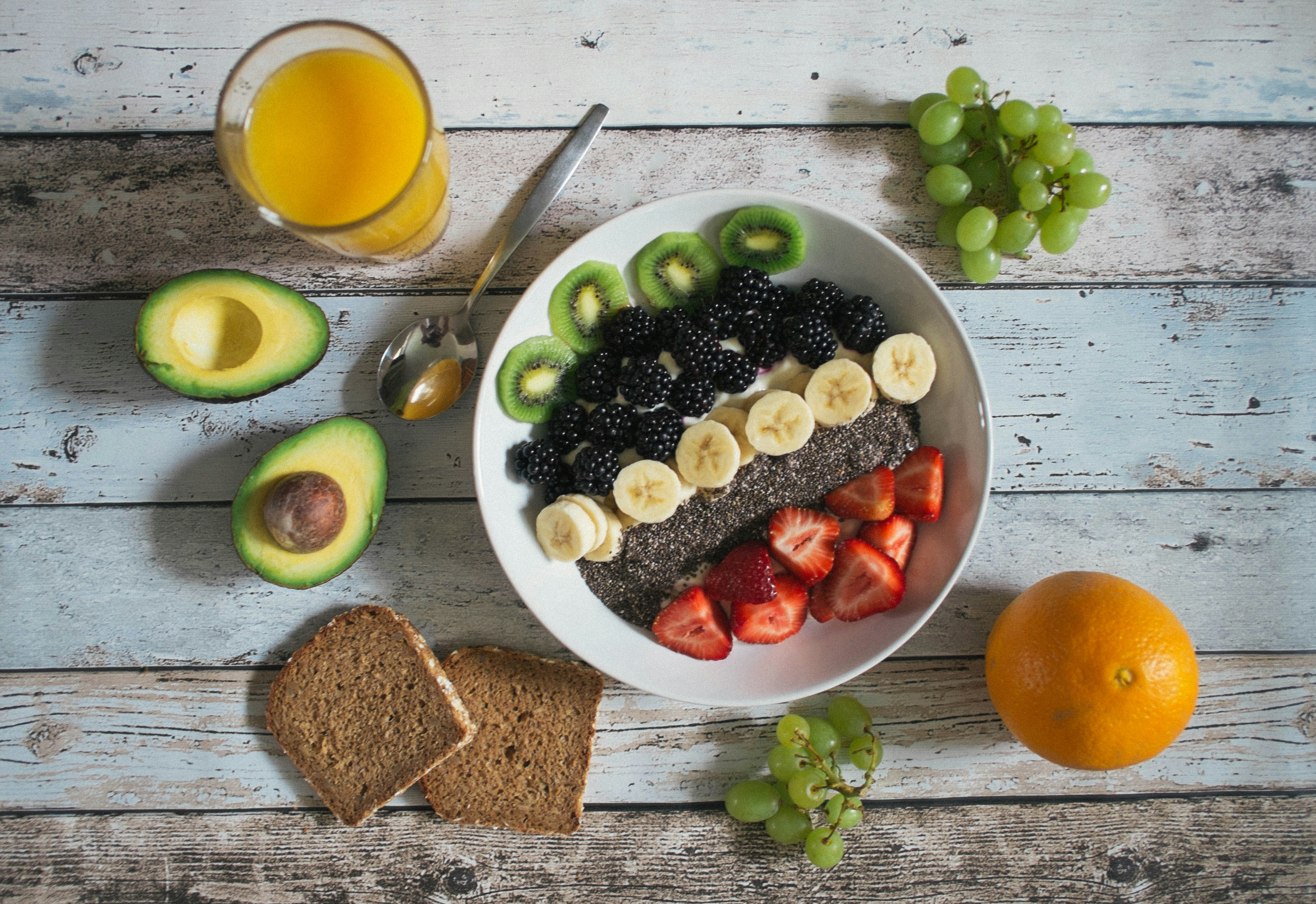


Juggling a busy schedule with an active lifestyle can often feel like a constant energy battle. One minute you’re on top of your to-do list, and the next you’re staring at the clock, wondering where your motivation went. That afternoon slump is a common foe, but the secret to winning the fight isn’t just about getting more sleep; it’s about what you put on your plate. Smart daily nutrition is the bedrock of sustained energy and focus, helping you power through everything from your morning workout to your evening errands.
The Foundation: Macronutrients for Performance
Ever wondered how food actually fuels you? Well, it all comes down to three main players: carbohydrates, proteins, and fats. Think of these macronutrients as your body’s primary energy committee. Carbohydrates are the quick responders, giving you that fast energy boost perfect for getting started or pushing through a tough workout. You’ll find good, complex carbs in foods like oats, brown rice, and sweet potatoes.
Protein is like your body’s repair crew. It helps rebuild muscle tissue after exercise and also keeps you feeling full and satisfied, which stops those annoying energy dips caused by hunger. Lean meats, eggs, lentils, and dairy are all excellent sources. Finally, healthy fats, found in avocados, nuts, and olive oil, provide a slow, steady burn of long-lasting energy. Getting a good mix of all three is key to giving your body the right tools for the job, and understanding this is the first step in building a better approach to nutrition for active lifestyles.
Timing Your Fuel for All-Day Energy
What you eat is important, but *when* you eat it can make a huge difference to your energy levels. Skipping breakfast, for example, is like trying to start a long car journey with an empty tank. A balanced morning meal kick-starts your metabolism and keeps your blood sugar steady for the hours ahead.
Combining nutrients strategically can also have a big impact. For instance, starting your day with a mix of caffeine and protein can give you both an immediate lift and a slower, more sustained release of energy. A simple swap like a high-quality protein coffee can streamline your morning routine while giving you the building blocks needed to stay sharp and avoid that mid-morning crash. Try to eat a mix of protein and carbs every few hours to keep your energy consistent, rather than relying on huge, infrequent meals that can leave you feeling sluggish.
Beyond the Big Three: Micronutrients and Hydration
While macronutrients provide the fuel, micronutrients — your vitamins and minerals — are the spark plugs. They’re essential for turning food into usable energy. B vitamins, for example, play a vital role in energy metabolism, while not getting enough iron can directly lead to feeling tired and unfocused. A varied diet rich in colourful fruits and vegetables will usually cover all your micronutrient needs.
Hydration is another crucial, yet often overlooked, factor. Even being a little dehydrated can make your energy levels plummet and your concentration waver. Your body needs water for practically every function, including moving nutrients to your cells. Don’t wait until you feel thirsty to drink. Keep a water bottle handy throughout the day and sip regularly to stay properly hydrated and keep your internal engine running smoothly.
Smart Snacking to Avoid the Slump
The 3 p.m. slump is a classic energy drain, often sending us reaching for sugary biscuits or crisps. While these might offer a quick fix, they lead to a rapid spike and crash in blood sugar, leaving you feeling even more tired. The key to avoiding this is smart snacking.
Instead of simple carbs, choose snacks that combine protein, fibre, and healthy fats. This mix slows down digestion and provides a more gradual release of energy. Good options include:
- An apple with a spoonful of nut butter
- A small pot of Greek yoghurt with berries
- A handful of almonds or walnuts
- Hummus with vegetable sticks
These choices provide a steady stream of fuel and help you find some great energy-boosting foods that keep you going until your next meal without the crash.


Building better energy levels isn’t about a complete diet overhaul. It starts with small, smart choices each day that add up to a big difference in how you feel, focus, and perform.