

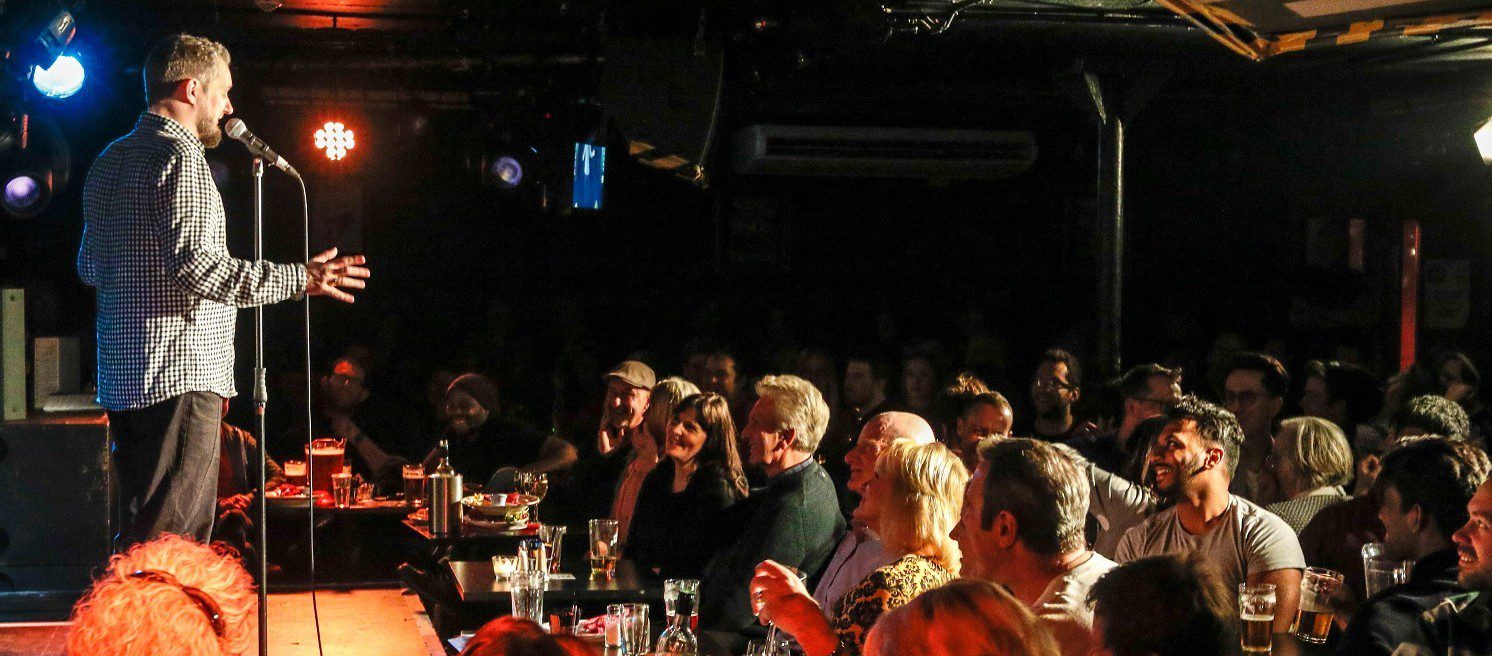



















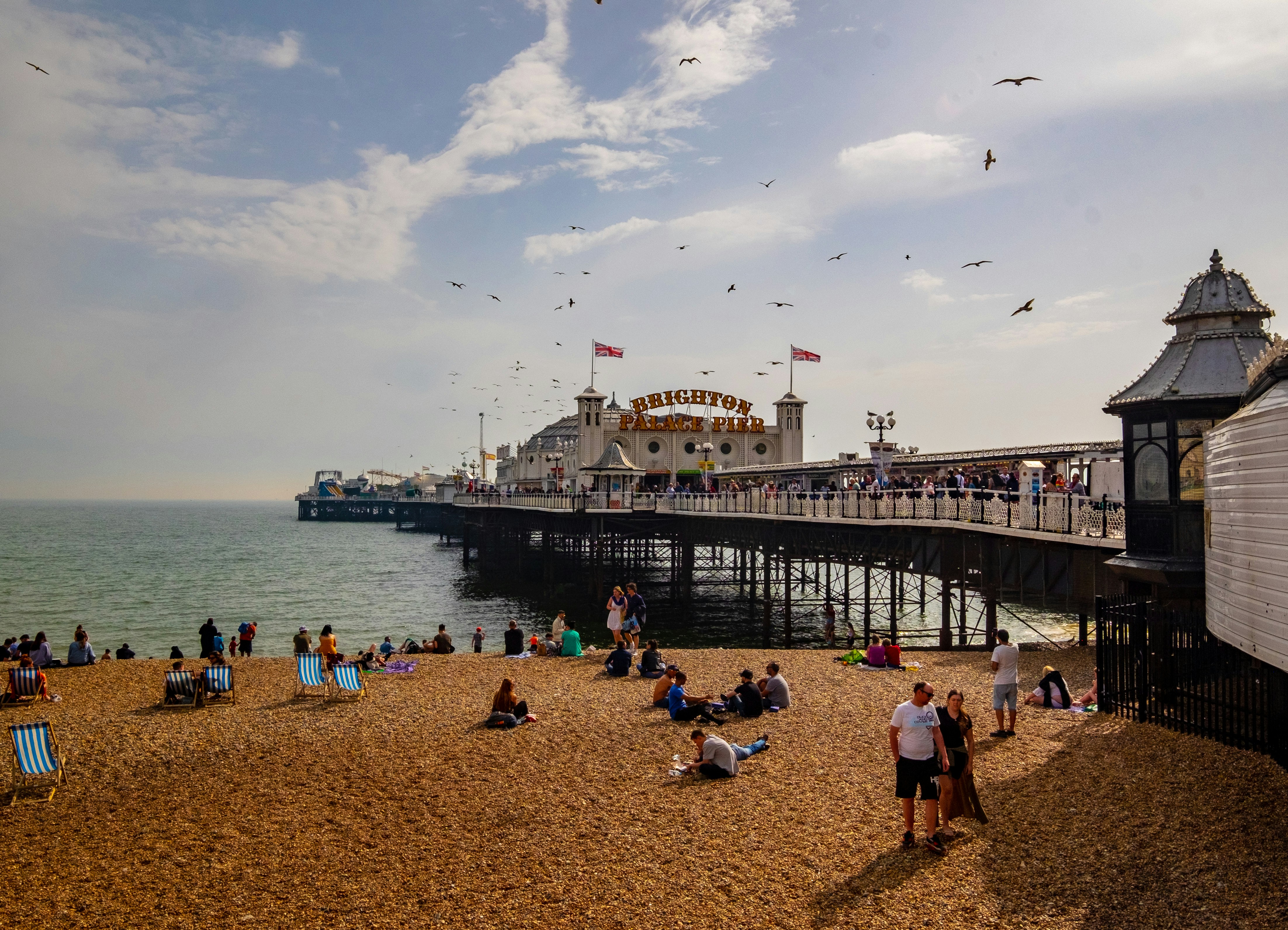


Queue outside The Set on a Tuesday and you’ll find people who could easily cook at home paying £99 for seventeen courses because someone they trust told them it was worth it. That’s Brighton in one image: a city that spends on experience, not out of habit but because the return matters. Komedia sells out a midweek new-comedy night. The BRAVOs pull in tens of thousands of public votes every February for restaurants most of the country has never heard of. None of this is bargain-hunting. It’s something closer to a demand for proof that the money went somewhere good.
The Ten-Year Habit
That instinct runs deeper than one tasting menu or one comedy club. Brighton’s independent food scene has spent the last decade building its reputation on exactly this trade-off, favouring fewer, better plates over volume, and the city has rewarded it for doing so. When Restaurants Brighton relaunched the BRAVOs for a tenth year under the “Choose Local” banner, the organisers weren’t selling cheapness. They were selling the idea that a local spend should come back to you as something tangible, whether that’s a better dish, a stronger sense of place, or simply the knowledge that the money stayed in the city. The BRAVOs’ tenth-anniversary campaign is a decade-old case study in an audience that spends on quality and expects to feel that quality land.
What Online Entertainment Had to Learn
That expectation hasn’t stayed confined to restaurants. It’s moved into how Brighton spends its leisure money more broadly, online included. A night in no longer means passively picking whatever’s on. It means choosing a platform, a game, a subscription, or a service the same way Brighton chooses a restaurant: deliberately, and with an expectation that the choice pays the person back somehow. Online casino operators felt this pressure early, because the category has always lived or died on repeat engagement rather than one-off spend. The response has been a shift toward mechanics that hand something back on the spot rather than asking players to bank points for a reward that arrives later. For UK players who’ve made that shift part of how they judge value, that same baseline expectation now extends to online casino cashback offers, and sites tracking current terms across operators give a useful snapshot of what’s actually on the table this month.
The Same Instinct, Nationally
None of this is a Brighton quirk, either. Nationally, giving something back has become the default expectation, not a nice extra. Mintel’s most recent loyalty research found that 80% of Brits actively used at least one loyalty scheme in the past year, and that data points to something beyond a simple discount habit: participation is close to universal now, so people are getting fussier about which schemes actually earn a place in their wallet. The bar has moved from “does this save me money” to “does this give something back that I actually notice.” Brighton’s audience, arguably, got there first. A city that will pay more for a smaller, better-run restaurant was never going to settle for a loyalty card that just prints points nobody redeems.
What Actually Comes Back
The mechanic itself maps neatly onto Brighton’s own instincts. Rather than banking loyalty points for a reward that might arrive months later, a cashback casino bonus returns a percentage of what’s already been spent, on a timeframe short enough to actually notice. It’s the digital equivalent of a restaurant that lets you taste the difference in the ingredients rather than promising you’ll appreciate it eventually. Operators that have leaned into this structure are, in effect, making the same bet Brighton’s independent restaurants made a decade ago: that an audience with real choice about where to spend its leisure money will keep choosing the option that visibly respects that choice.
None of this makes Brighton unique, but it does make the city an early, clear example of where UK leisure spending is heading generally. The city didn’t wait for a headline to start asking what it was getting back for its money. It built an entire hospitality identity on that question, one BRAVOs vote and one tasting menu at a time, years before “value” became the word every industry decided to reach for. Entertainment categories that haven’t caught up yet, online or off, are the ones that will feel it first when Brighton’s audience simply spends its money somewhere else.