
















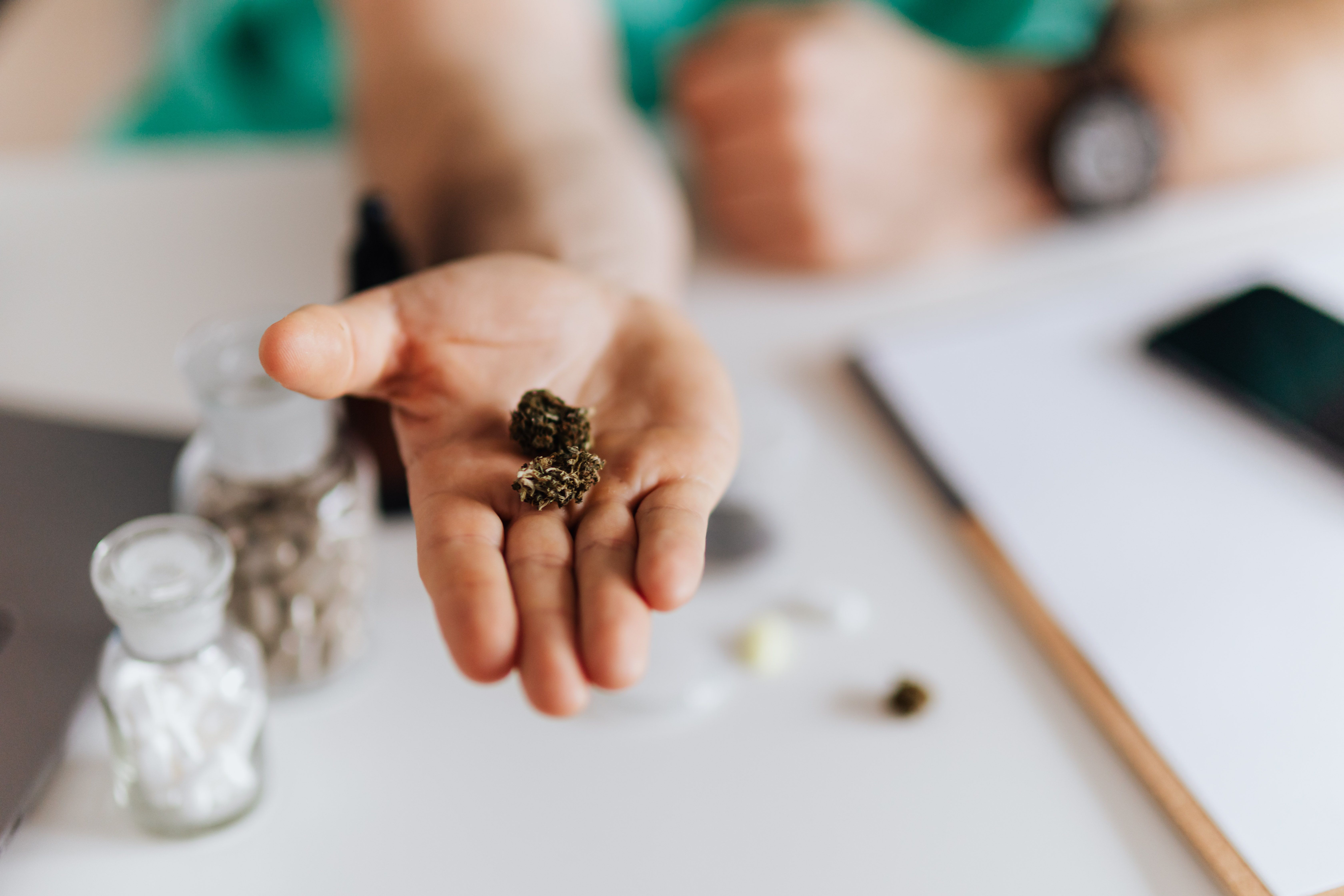


Britain legalised medical cannabis in 2018, yet many are surprised it may be prescribed at all. Maybe that’s not so unusual. This is not spoken about in a routine GP consultation and NHS access is limited. It’s not surprising that there’s some confusion around what a prescription for medicinal cannabis actually means, especially when you include CBD oils, wellness products and the wider conversation around recreational cannabis.
But for individuals living with a long-term ailment in Brighton, a bigger concern may be a little more simple: what do you do when the drugs you’ve tried before don’t work?
Access isn’t always a trip to a clinic
If you are considering medicinal cannabis in Brighton you might think it begins by going across town for another appointment. In fact, there are clinics such as Alternaleaf that specialise in this, providing online consultations and enabling patients to speak with a clinician from the comfort of their own homes.
If you are looking for treatment for chronic pain, anxiety, PTSD or sleep disorders this may be something to consider. It is only when the pain makes riding on a bus uncomfortable, fear makes commuting tough or a poor night’s sleep has left you fatigued before the day has even begun that getting to another appointment in Brighton can suddenly seem a lot more difficult. But convenience does not equal casual access. A consultation is an assessment and does not ensure you will leave with a prescription. The clinician will look at the person’s medical history and previous therapies to see if medical cannabis is acceptable.
How come this is not more written about?
One reason is that the usual offer from the NHS isn’t private treatment. The health agency said it expected very few people will be prescribed cannabis by the NHS in England. It also creates a distinction between prescribed cannabis-based treatments and products such as CBD or hemp oils sold online or in shops.
They are not the same. This is especially true in Brighton where CBD products can be easily obtained on the high street. Medicine dispensed following a clinical examination is not a health product sold in a bottle.
What comes after a script?
The medical connection doesn’t stop with the prescription. The follow up is as vital as any other treatment. The clinician has to decide if the treatment worked, what side effects there were and all other changes. “As people begin to use it they may have questions, and they may need prescriptions adjusted. And that’s where we continue to receive the clinical support. Treatment is not just the initial consultation, a prescription and then you are on your own. Patients need a place to ask questions and talk about progress.”
Not a quick fix but an alternative therapeutic choice
Sometimes, people talk about medicinal marijuana as if the question was simply whether you are “for” or “against” marijuana. This is completely missing the point to the patients. Usually someone who has been miserable for years or gone months without sleep is concerned with something a good deal less ideological: is there another medically supervised alternative to discuss?
It’s not for everybody and a consultation doesn’t mean you will be prescribed. But now some Brighton residents who are not responding to regular therapy can ask a doctor if they are eligible.