




















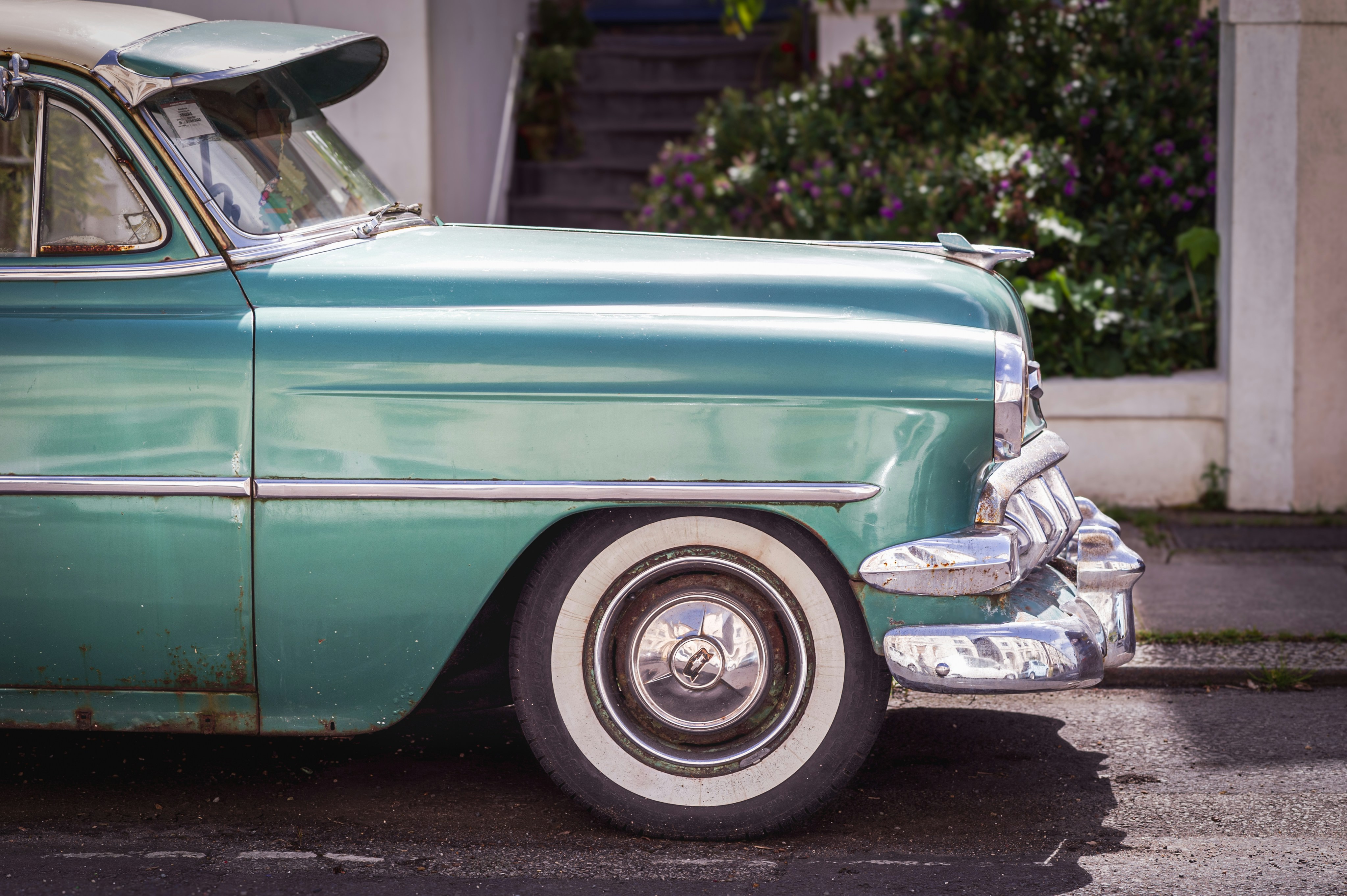


Plenty of Brighton locals prefer used cars these days. Rising living costs mean a good second-hand vehicle often offers better value. You save significantly and still have lots of options.
City life brings specific driving demands. People commute to work, visit family, or head out of town. Yet they also face heavy traffic, tight parking, and Clean Air Zone restrictions nearby. These factors should influence your choice.
Simple research helps a lot. You can find a car that matches your lifestyle instead of settling for the cheapest one.
This guide covers the essential steps: picking the right type, checking the car’s details, setting a realistic budget, reviewing its history, and understanding the paperwork.
Think About How You’ll Use the Car
Think before you browse. Don’t just scroll through car adverts. Take a moment. Consider how you will actually use this vehicle. One person’s dream car could be a total nightmare for you.
Brighton drivers have different needs. Some commute towards London, Crawley, or Worthing. Others mostly do the school run or the weekly shop. Your daily route changes everything.
Ask yourself the right questions.
- How many miles do you cover in a week?
- Will you spend most of your time in city traffic?
- Do you hit the motorway often?
- Do you need room for kids, pets, or sports gear?
Brighton parking is tough. Narrow streets. Tight spaces. A smaller car makes it easy.
Fuel economy matters if you drive a lot. It saves you real money.


Do not chase the lowest price. Cheap cars often need costly repairs. Pick the right car for your routine. You will save cash and stress.
Check the Vehicle’s Specifications Before Viewing It
Online adverts make it easy to compare hundreds of used cars. However, the information they contain isn’t always accurate. Honest mistakes happen, and some listings may include incorrect or incomplete details.
Before arranging a viewing, check that the vehicle matches what you’re expecting.
Look at important details such as:
- engine size
- fuel type
- manual or automatic transmission
- trim level
- factory-fitted equipment
- safety features
These details shape your fuel costs, insurance, and daily comfort.
Two cars can look nearly the same yet differ under the bonnet. One might have parking sensors, heated seats, or built-in navigation, while the other does not.
Before booking a viewing, run a quick spec check. CarOwl’s tool lets you confirm the exact details match the seller’s description. It saves time and stops you driving across Sussex for the wrong car.
Set a Realistic Budget
The purchase price is only one part of the cost of owning a car. Many buyers forget about the ongoing expenses until after they have completed the purchase.
Start by deciding how much you can comfortably spend on the vehicle itself. Then calculate the other costs that come with ownership.
These usually include:
- insurance
- Vehicle Excise Duty (road tax)
- annual MOT tests
- regular servicing
- replacement tyres
- fuel
- parking permits
- unexpected repairs
Some vehicles cost much more to insure than others. Larger engines and higher-value models often attract higher premiums.
You should also budget for routine maintenance. Even a well-maintained used car will eventually need new brake pads, tyres, batteries, or wiper blades.
If you live in Brighton, don’t forget local parking costs. Resident parking permits and paid parking zones can add to your yearly expenses.
Looking only at the asking price can be misleading. A cheaper car with poor fuel economy and expensive repairs may cost far more over several years than a slightly newer model with lower running costs.
The total cost of ownership is what really matters.
Choose the Right Type of Vehicle
Everyone’s driving needs are different. The best used car for you depends on your daily routine, family size, and budget.
Hatchbacks
Hatchbacks remain a top choice for many Brighton drivers. They are easy to park and economical to run in city traffic. Plus, they usually offer enough boot space for shopping and errands.
SUVs
SUVs provide a raised driving position and generous interior space. Drivers often enjoy the improved road view during longer trips.
On the downside, they tend to cost more to buy, insure, and run. Think carefully about whether you really need the extra size.
Estates
Estate cars suit people who regularly carry luggage, bicycles, sports equipment, or pushchairs. They deliver large boot space while keeping fuel economy close to smaller models.
Hybrid or Electric Cars
You’ll now find more hybrid and electric cars in the Brighton area. They can lower your fuel costs and cut down on emissions – particularly handy for shorter drives.
Review the Vehicle’s History and Documents
Looks can deceive. A clean car might hide a messy history. The paperwork is your best defence.
Start with these key checks.
V5C logbook. Confirms legal owner. Also confirms the seller’s right to sell.
Previous owners. A high number in a short time? That’s a warning sign.
Mileage. Does it match service records? Does it match past MOT certificates? It must all line up.
Free MOT history check (GOV.UK). See past mileages. See test dates. See advisory notes. These show you developing faults.
Also check for:
- Outstanding finance
- Insurance write-off
- Serious accident damage
Use the DVLA site too. It confirms registration and tax records.
Do these checks. They take little time. They prevent expensive mistakes. Good paperwork means a good car. It’s that simple.
Inspect the Car Carefully
A careful inspection can reveal problems that aren’t obvious in online photos. Take your time and look over the entire vehicle before making any decisions.
Exterior
Walk around the car slowly.
Look for:
- dents
- rust
- differences in paint colour
- scratches
- worn tyres
- cracked lights
- damaged windows or windscreen
Uneven paint or gaps between body panels can suggest previous accident repairs. Rust around the wheel arches or underneath the doors may become more serious over time.
Check that all four tyres have good tread and are wearing evenly. Uneven wear may point to suspension or wheel alignment problems.
Interior
Sit inside and test everything you can.
Check the:
- dashboard
- warning lights
- air conditioning
- seats
- steering wheel controls
- electric windows
- infotainment system
Start the engine and make sure any warning lights disappear after a few seconds. If lights remain on, ask why.
The seats should be in reasonable condition for the car’s age. Excessive wear can sometimes suggest heavier use than the mileage indicates.
Under the Bonnet
You don’t need to be a mechanic to spot obvious problems.
Look for:
- oil or coolant leaks
- corrosion around the battery
- low fluid levels
- worn or cracked belts
A clean engine isn’t always a good sign. Some sellers clean the engine shortly before a sale to hide leaks. Focus on signs of poor maintenance rather than appearance alone.
If you’re unsure about the condition of the vehicle, arrange an inspection by an independent mechanic before buying. The cost is small compared with the price of unexpected repairs.
Take a Proper Test Drive
Do not judge a car while it is parked. You need to drive it. That is where the truth comes out.
Here is what to check:
- Steering – Smooth and quick? Or does it pull sideways?
- Brakes – Firm stop? No shaking? Quiet?
- Manual clutch and gears – Smooth engagement? Clean changes?
- Auto gearbox – Effortless shifts? No jerks or delays?
Keep your ears open. Knocking or squeaking sounds? They often point to suspension issues.
Try some rougher roads. That tells you how the car handles bumps. A smooth ride makes a big difference.
Vary your route. Do not just circle the block. Hit city streets, A roads, and faster dual carriageways.
A quick spin hides too much. Spend real time behind the wheel. It helps you catch problems before you commit.
Understand Your Rights as a Buyer
Understand your buyer rights first. They vary by seller.
Dealers follow the Consumer Rights Act 2015. The car should match the description, be decent quality, and suit normal use. Early major faults often allow repairs, replacement, or a refund.
Private sellers must describe the car honestly. However, you get much less legal protection if problems arise.
Always inspect the vehicle, review documents, and ask questions. Avoid pressure. A little extra time now prevents big headaches.
Common Mistakes Brighton Buyers Should Avoid
Brighton buyers often trip up on the same things. But most mistakes are easy to avoid. Slow down, and you will make a smarter choice.
Don’t rush after the first car you see. Look at a few. That helps you judge price and condition properly. Always check the paperwork. Get the V5C logbook. Review the MOT history. Look at the service records, too.
Pay attention to MOT advisories. These notes flag parts that might fail soon. Ignoring them can cost you later. Choose the right size car. A big SUV sounds great. But Brighton’s narrow streets? Tight parking? It becomes a headache.
Don’t just look at the sticker price. Insurance, fuel, and repairs add up fast. A cheap car can become expensive. Get insurance quotes before you commit. Online adverts can be misleading. Always double-check the details. And always view the car in person.
Avoid these traps. You will save money. You will feel less stressed.
Final Thoughts
Buying a used car feels easier when you take it step by step. A calm approach stops you from making costly errors.
Start with your lifestyle. Pick a car that fits Brighton driving. Set a budget that covers all the running costs. Then check the documents. Inspect the car closely. Take a proper test drive.
Know your legal rights. They differ between dealers and private sellers.
And be patient. Compare several cars. That extra time often leads to a better buy and a car you will truly enjoy.