




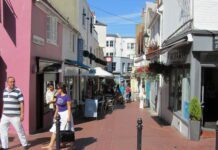












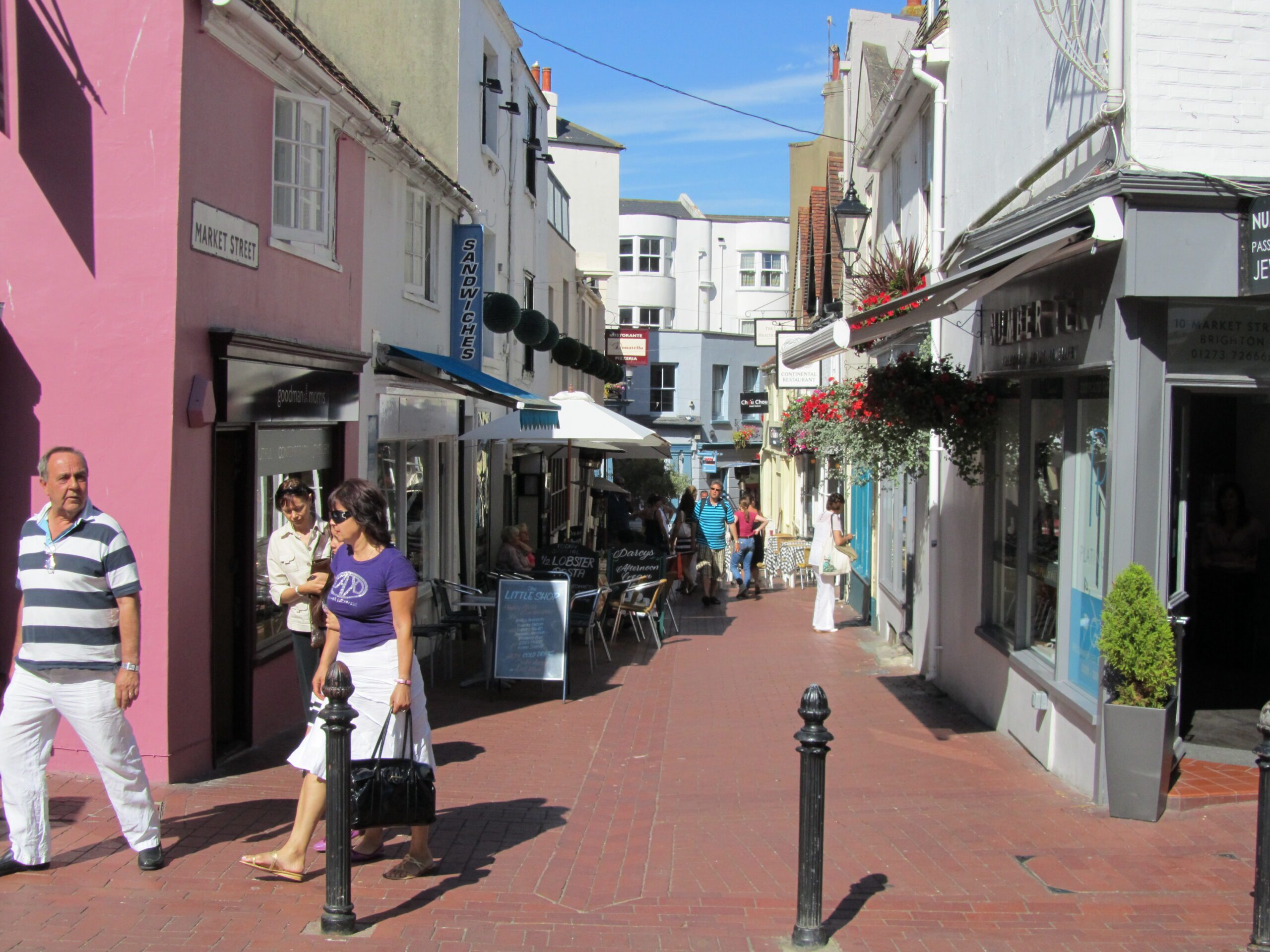


Ask anyone what makes Brighton different and they will usually mention the shops. The Lanes, the North Laine and streets such as Gloucester Road are full of businesses you won’t find anywhere else. That is a big part of why visitors come and why people move here.
Yet many of those owners say they are closer to the edge than at any time since the pandemic. Higher costs have arrived together, while shoppers are spending more carefully. The question is whether Brighton’s independent character can survive the next few years.
The Costs Keep Rising
Business rates are the most common complaint. In April, the 40% retail, hospitality and leisure relief that had supported many small shops ended. The government replaced it with permanently lower tax rates for those sectors, but the change came with a revaluation of properties across England. For some businesses, bills rose.
Staff costs have also climbed, with higher employer National Insurance and minimum wage increases. For a shop with two or three employees and thin margins, every rise counts.
The pressure is not limited to shops. In May, the owners of The Gingerman, a Michelin Guide restaurant that has been part of the city for 28 years, announced they would close. Ben McKellar told Brighton & Hove News it was “just not sustainable for small independent restaurants.” The group’s other venues, including The Ginger Pig, remain open.
The Shoppers Are Cautious
Owners describe quieter weekdays and customers who browse more and buy less. On Gloucester Road, the owners of the bedlinen shop Dormitory, Sue Graham and Cathy Marriott, told The Guardian last winter that small shops were reaching a tipping point. Marriott warned that people would one day ask: “We need shops. Where have they all gone?”
The national picture backs that up. Next, often seen as a guide to the British high street, says its UK full-price sales grew just 2% last quarter as shoppers kept a closer eye on budgets. If a company of that size feels it, a single shop in the North Laine feels it more.
Many of Brighton’s small firms also face new demands from larger customers and suppliers, from card fees to the carbon reporting that big companies increasingly expect.


What Keeps Them Going
It is not all bad news. Brighton still produces plenty of new businesses, and three local firms made this year’s Startups 100 index. Food, culture and nightlife continue to draw visitors throughout the year, as our guide to restaurants in Brighton shows.
The city centre also has organised support. Brilliant Brighton, the business improvement district, represents more than 500 ground-floor businesses across Western Road, The Lanes and the North Laine. It pays for Christmas lights, events and promotion, and has sought a new five-year mandate.
The most important support, though, comes from shoppers. Independent shops survive when people choose them over a chain or a click online, even occasionally.
Brighton Local
This weekend is a good time to start. The run-up to Christmas is when independent shops make much of their year’s income. Buying one present from a local shop rather than online keeps more money in the city and helps keep these streets distinctive. Brighton’s character was not built by chains, and it will not be kept by them.
Related Reading
- Brighton’s Small Businesses Are About to Face Carbon Reporting — Most Aren’t Ready
- 3 Brighton Businesses Feature in the Startups 100 Index 2026
- How Brighton Built a Premier League Machine on Data