





















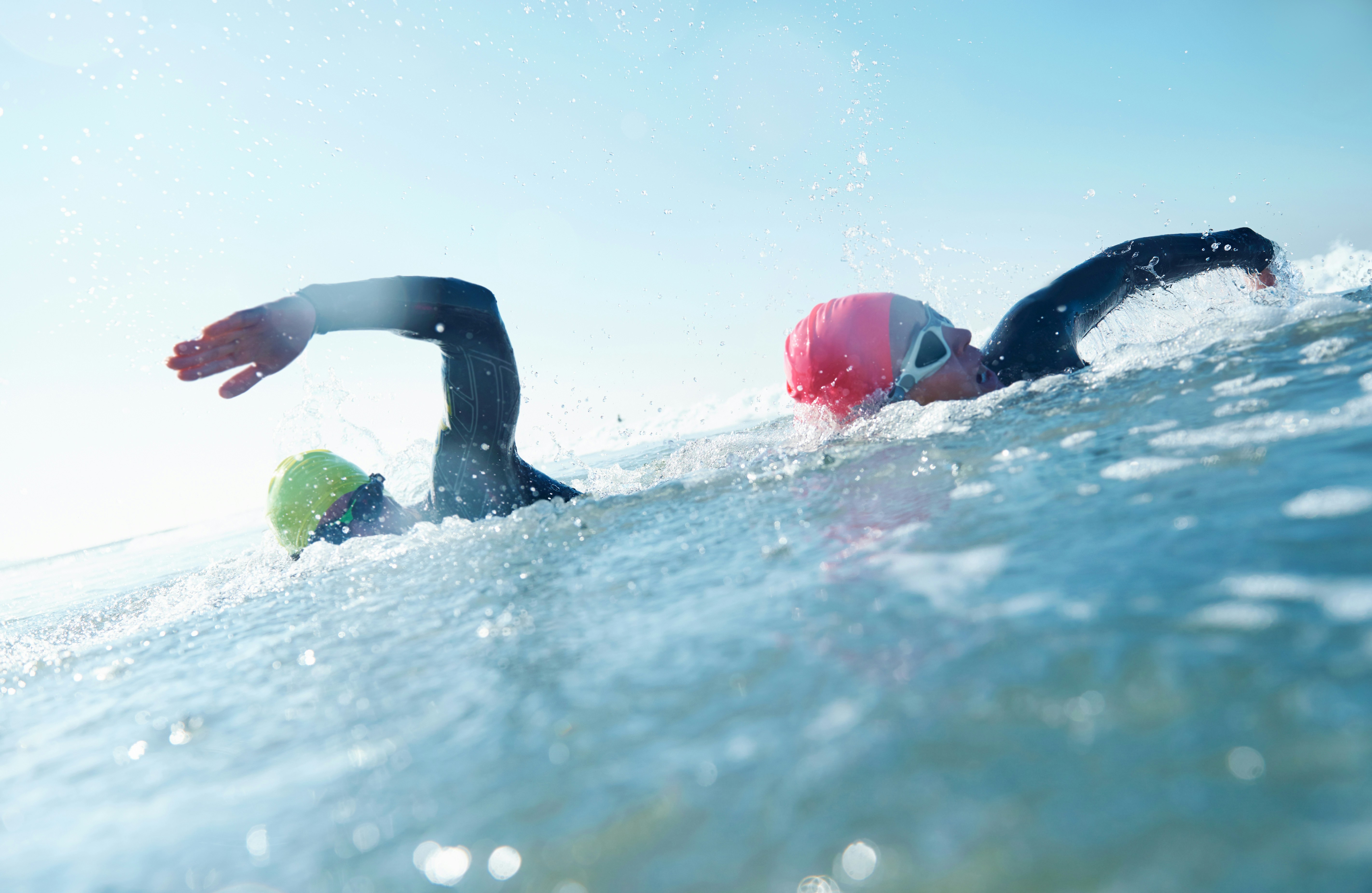


On a grey November morning, as most of the city is still waking up, small groups gather on the shingle by the West Pier. They peel off their coats, wade into a sea of around 13°C, and swim. For hundreds of Brighton residents, the winter dip has become a ritual: part exercise, part therapy and part community.
But behind the boom sits a question that won’t go away: how clean is the water they’re swimming in?
Why People Swim in Winter
Ask any regular and they’ll tell you the same thing: they feel better for it. Many say cold water lifts their mood, eases anxiety and gives them a rush of energy that lasts all day. For others, it’s the friendships formed on the beach that keep them coming back through the darkest months.
The science is more cautious. A review of the research, published in the International Journal of Environmental Research and Public Health, found promising signs that regular winter swimming may improve wellbeing. One study found around 40% fewer respiratory infections among winter swimmers, and others suggested benefits for blood pressure and insulin sensitivity. But the authors stressed that most studies are small, and that benefits appear mainly in healthy, experienced swimmers who build up gradually.
The Risks Are Real
Cold water also carries serious dangers. The biggest is cold shock, the involuntary gasp and rapid breathing that happens on entering cold water, which causes most cold water drowning deaths. Hypothermia can set in faster than people expect, sometimes after leaving the sea. People with heart conditions face added risks.
The RNLI’s advice is simple: never swim alone, acclimatise slowly, stay close to shore, and if you get into trouble, float on your back until your breathing settles. The best advice of all is to swim with others who know the water.
So, How Clean Is the Sea?
The official picture is mostly reassuring. In the Environment Agency’s 2025 bathing water classifications, Hove, Brighton Kemptown, Saltdean and Rottingdean were all rated “excellent”. Brighton Central was rated “good”, partly because a single poor E. coli reading in 2022 continues to weigh on its rating, as Brighton Journal has reported before.


Southern Water says there has been no storm sewage released from Brighton’s outfalls since 2012. That is thanks to a storm relief tunnel beneath the seafront, costing more than £40m, that holds excess water during heavy rain and carries it to the treatment works at Peacehaven. Campaign data from Top of the Poops recorded no spills from the Black Rock pumping station in 2025.
But Not the Whole Story
The picture is less clear just along the coast. The Shoreham outfall to the west has discharged sewage on several occasions, including a pump failure in January 2024 that led councils to warn swimmers away from beaches from Fishersgate to Worthing for several days. Swimmers have reported falling ill after sea swims, though linking illness to a specific source is notoriously difficult.
There’s also a gap that matters to winter swimmers. Official water testing only takes place during the bathing season, from mid-May to the end of September. From October to May, when the city’s most dedicated swimmers are in the water, there is no routine official monitoring at all. Heavy winter rain, which puts most strain on sewers and washes pollution off roads and farmland, falls exactly when testing stops.
Southern Water has pledged around £1.5bn to reduce its use of storm overflows across the region and publishes near-real-time spill alerts through its Beachbuoy map. Campaigners argue that progress is too slow and that monitoring needs to cover the whole year.
Brighton Local
Brighton has a long tradition of sea swimming. Brighton Swimming Club, founded in 1860, is one of the oldest in the country, and today’s winter swimmers are part of a growing movement focused on mental and physical health, alongside trends such as lymphatic walking. For those who prefer to stay dry, the sea has other pleasures, from dolphin-spotting sunset cruises to simply watching the swimmers brave the waves.
The Verdict
Brighton’s sea is cleaner than its reputation suggests, and for many swimmers the benefits are real. But “mostly clean” is not the same as “always safe”, especially in winter, when no one is officially checking. Until year-round monitoring arrives, the best protection is common sense: check the data, avoid swimming after storms, and never swim alone.
Related Reading
- Weekend Read: Five Foods Likely to Be More Expensive This Winter, and Why
- WEEKEND READ: The Extreme Body Modifications Athletes Use to Gain an Advantage
- How Is Brighton Shaping the Future of Its Visitor Economy?