




















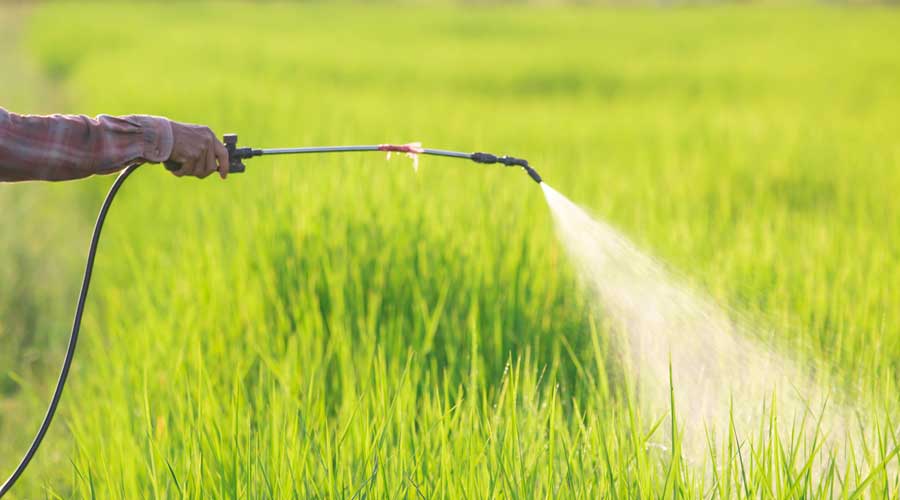


In the agrochemical industry, developing new herbicides has been tremendously successful. Herbicides are chemicals used to destroy and control the undesirable growth of vegetation. Business potential is one of the driving forces behind utilizing herbicides because of the fast solution of killing unwanted weeds. Agricultural businesses lost 40% percent of crops every year due to the proliferation of weeds. Therefore, using herbicides will have a huge factor in the augmentation of agricultural yield that would help agribusiness to foster more profit and at the same time deliver the demand supplies to the market.
However, even though herbicides can be very helpful for agricultural businesses, there are scientific studies demonstrating herbicides as harmful to human health, and several cases have backed up this claim. One of these is the paraquat lawsuit, which caught up the attention of the United States Environmental Protection Agency (EPA). Paraquat is a toxic herbicide, that only licensed and trained applicators can use it. People who have been exposed to paraquat experienced developing Parkinson’s disease and other health problems.
In order to avoid this harmful situation, stakeholders and business owners must strive in investing on research and development of herbicides that could potentially help agricultural businesses innovate less harmful chemicals that are also safe for consumers. Here are more researched key points about why agribusiness needs to invest in herbicide development:
- Improve Resistance
Some species of weeds and plants have special properties that allow them to survive damage and harsh conditions to their bodies. These properties are what make some weeds increasingly difficult to deal with for farmers because these weeds can overpopulate the land and take up space that is meant for crops. This is why herbicides are invented, to eliminate weeds and unwanted plants easily by chemical means.
Herbicides are indeed effective in reducing the population of unwanted plants on the land but there are some plants that can survive the effects of harmful chemicals. Using herbicides will kill the majority of weeds but due to some circumstances, there is always a small percentage of survivors that will continue to thrive. These surviving weeds will continue to multiply and pass their traits to their offspring.
The new generation will now have an increased resistance to the herbicide and the process will keep repeating until the weeds will have a heightened resistance against the herbicide, thus making the chemicals ineffective.
To prevent weeds from continuously gaining resistance from herbicides, it is important todevelop herbicides that have higher effectiveness in reducing the surviving population of weeds. By making herbicides that have higher effectivity, fewer weeds will survive and there will be less chance of producing offspring with heightened resistance. This would also cut down the cost of buying more herbicides because the farmers won’t need to keep buying them again to kill off the weeds again and again.
Through intensive research and herbicide development, a small amount of a more effective herbicide will be able to cover a larger area of crops, thereby leading to less herbicide consumption, which will result in an increase in savings for the farmers or business owners.
- Lessen the Health Risks
Even though modern science has advanced the technology and knowledge that has been used to manufacture herbicides, there are still far more unknowns regarding the side effects of herbicides on the ecosystem, including the plants, animals, and the people living in it. Some brands of herbicides fail to determine these harmful side effects before releasing their products to the market and this usually leads to lawsuits and product recalls due to claims of customers being negatively affected by the products.
An example of this is the paraquat exposure lawsuit where herbicide brands containing the chemical compound Paraquat were found to have increased the risks of developing Parkinson’s disease in exposed individuals. The herbicide was subjected to re-evaluation by the U.S. EPA (Environmental Protection Agency) and the company that manufactures the product is currently facing over 150 lawsuits filed by plaintiffs who have developed Parkinson’s disease. If you have experienced any similar injuries or issues, you can read more about this case and file a complaint through Schmidt & Clark.


To prevent such cases from happening, it is important that the manufacturers will follow the proper method of research and development of their to ensure the safety of their workers and customers.
Thorough research of the properties and potential effects of the substances and chemical compounds used in herbicides will contribute greatly to the advancement of safe and effective herbicides. Through research and development, scientists and experts can innovate chemicals that are not harmful to the health of the people.
Lower health risks to the herbicides will also ensure a growth in sales, which will be beneficial for the manufacturers and customers. Therefore, it is best to lessen (as much as possible) the health risks of the products before releasing them to the market.
- Price Improvement
In any type of agricultural business, herbicides will always be an expense for the business owners. Herbicides are effective in controlling the population of weeds and unwanted plants, but it still takes up an enormous amount of money to keep buying herbicides all year long. To maintain the stability of the agricultural market, the process of developing cheaper but safe herbicides is a must.
Through continuous support in the development of herbicides, it would be possible to produce less expensive and safer herbicide products. Better alternative ingredients or more efficient resources could be explored and used instead, which could lower the manufacturer’s expenses in herbicide production. Lower expenses could lower the price of herbicides in the market, which would be beneficial for farmers or business owners.
Lessening the cost of herbicides will have a great impact on the production of farms. By lowering the prices of herbicides, more money can be spent by the farm owners in expanding and developing their businesses. This expansion will also result in the need for the farmers to buy more herbicides for the maintenance of their new properties. As this process goes on, the sales volume of the herbicide produces is expected to grow steadily per year.
As the prices of herbicides improve, it helps the farmers expand their business and it allows the manufacturers to sell more, so it is a win-win situation for both sides.
- Less Harmful to Environment
When applying herbicides to the land, some of the residues can travel to nearby ecosystems such as nearby streams or other parts of the land. The chemical residues of some herbicides may cause a negative to other plants and animals that may be exposed to these chemicals.
For example, in aquatic ecosystems, the residual chemicals may affect the microorganisms in the water and kill off these microorganisms that serve as the main producers of this ecosystem. If their population will be affected, this could have a negative on the balance of the ecosystem and may lead to the deaths of the consumers that depend on these microorganisms as their source of food.
In manufacturing chemical compounds, it is vital that the effects on the environment of any residues must be thoroughly studied. Companies must be aware of the requirements and safety standards of environmental agencies in creating chemical compounds that may pose problems for the environment. The chemicals used in these herbicides must always be tested if they will contaminate water sources because these are the areas most prone to being affected by residual chemical wastes.
Through research and development, the impact of herbicides on the environment can be explored and evaluated. Studying the substances used in herbicide production and researching their properties will help in identifying the hazards that they could bring to the environment. Having knowledge of their properties, researchers could also come up with alternative resources or methods that would lessen the herbicide products’ negative impact.
Manufacturers must also test if the herbicides are safe for the different types of animals that live in nearby ecosystems where the products are predicted to be used. Considering such factors will lead to the production of safer herbicides that will have minimal effect on the environment while effectively doing their job of eliminating unwanted weeds from the land.
- The Efficiency of Herbicides
Different types of herbicides are designed to target specific species of weeds and plants but there are still some herbicides that are generally made to eliminate the most common type of weeds. The problem with these herbicides is that they can kill almost any type of plant they are applied to. This poses a problem for the survivability of crops on farms because the application of herbicides might accidentally end up killing all the crops.
To resolve this problem, research has shown that it is possible to modify the crops through selective breeding and genetic modifications to allow the crops to have high resistance to herbicides.
Another way around this problem is to modify the chemicals used in the herbicide so that only selected plants will be affected. This can be done by identifying the traits and properties of the unwanted plants and comparing these to the traits of the crops. Then, create herbicides that will specifically inhibit these traits of the unwanted plants. This method will ensure the elimination of unwanted plants without affecting the growth of the crops.
- Improve the Product Design and Precautions
Product design is an important factor in determining the usability of a product. Some brands of herbicides have learned to optimize their product designs to make their products easier to use and more appealing to customers. Continuous research and development have helped in understanding customer behavior, aiding customers in making their purchases.
For instance, the application of visual indicators is an excellent way of improving the usability of herbicides. These visual indicators can be used to indicate the proper method of applying the product to the plants. Symbols can also be added to indicate the proper methods of handling or to warn the customers of hazards involved in the usage of the product. Easily noticeable warnings about keeping the product out of children’s reach are also emphasized in product designs to ensure safety.
Improved safety standards also use color-coded symbols to indicate hazards and proper usage in the instruction sections of the products. For example, red signs and symbols are usually attributed to high risks and hazards while green symbols are used to represent safety and affirmation.
Incorporating these visual indicators in the product designs will make the products easier and safer to use and this can attribute to fewer cases of mishandling or accidents related to the products.
Research and development of herbicide products will increase the sustainability of the agricultural sector because it will be beneficial for the sales of the manufacturers of herbicides. It will also cut down the costs of herbicides for the farmers and improve their businesses. Most of all, it will lead to safer and risk-free products that will protect the health of the people and the environment, altogether.