




















For years, the comparison felt almost unfair. London with its sprawling megaclubs, its 24-hour Tube on weekends, its sheer density of venues — Brighton was always the plucky seaside cousin, charming but outgunned. That narrative is shifting. Quite significantly, actually.
Brighton sits just 90 minutes south of London by train, home to nearly 300,000 residents, and it has been building its after-dark reputation since the early 19th century. What’s changed recently isn’t just perception — it’s measurable momentum.
What Brighton’s Night Scene Offers Now
The numbers are hard to argue with. In Time Out’s 2025 survey of thousands of locals, 81% rated Brighton’s nightlife as ‘good’ or ‘amazing’, topping the UK and ranking the city seventh worldwide. That’s not just local pride talking — that’s a global benchmark.
The city’s strengths are specific and well-earned. Patterns nightclub anchors the electronic music scene, Revenge offers multi-floor LGBTQ+ clubbing, and The Plotting Parlour has carved out a genuine cocktail destination reputation. Brighton’s LGBTQ+ scene, with roots stretching back to the 1920s and 30s, gives the city a cultural depth that newer nightlife hubs simply can’t replicate overnight.
Where Brighton Still Falls Short
Honesty matters here. Brighton doesn’t have London’s volume. When a big touring DJ or a theatre production with a short run lands in the capital, Brighton rarely gets the same booking. Late-night transport remains a persistent frustration — once the last train departs, the city can feel isolated for visitors relying on rail.
The venue ceiling is also real. Intimate, sound-focused spaces are a genuine strength, but for those wanting warehouse-scale events or the variety of a city like Manchester, Brighton occasionally feels like it’s playing in a smaller league. Knowing what you’re getting is part of managing expectations well.
How Locals Are Filling the Gaps
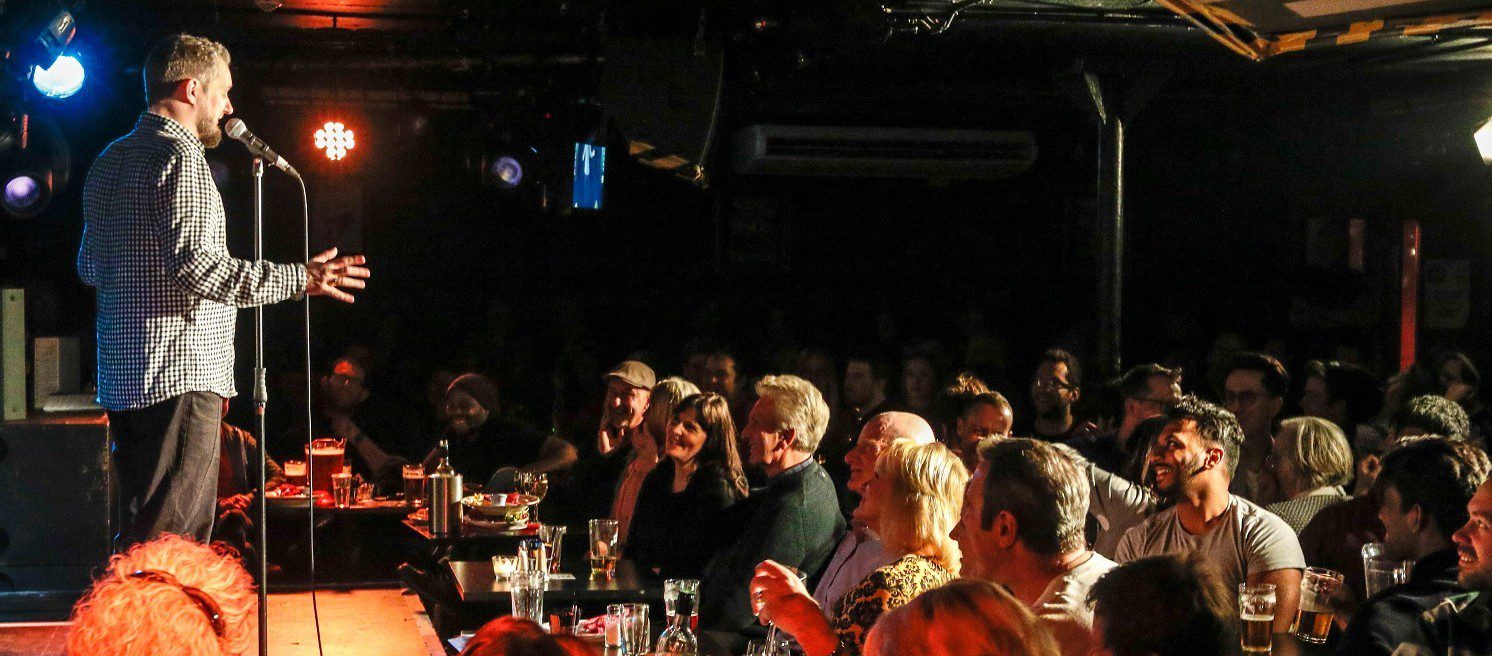
Brighton residents have become inventive about how they spend their leisure time after dark. Pop-up events, community club nights, and bar takeovers fill gaps where permanent venues don’t exist. The culture of the city — welcoming, experimental, low on pretension — means that smaller spaces punch well above their weight.
It’s worth noting that the shift toward digital leisure has also changed behaviour. People increasingly mix physical nights out with online entertainment, and the rise of platforms catering to privacy-conscious users reflects that. Those exploring options like no kyc casinos represent a broader pattern of consumers seeking frictionless, flexible entertainment that complements — rather than replaces — going out.
Why Brighton’s Nightlife Identity Is Worth Defending
There’s something valuable about a city that hasn’t tried to become London. A 2023 study by Public First gave Brighton a score of 24.6 on its Night Out Index, based on bars, restaurants, and nightclubs per resident, naming it the UK’s best place for a night out. That per-capita metric matters — it reflects accessibility, not just abundance.
Brighton’s identity is built on inclusivity and intimacy, qualities that scale tends to erode. The city doesn’t need to win on square footage or booking budgets. It wins when locals feel genuinely at home after midnight, when visitors leave with stories that couldn’t have happened anywhere else. That’s a harder thing to manufacture than a megaclub — and considerably more worth protecting.