





















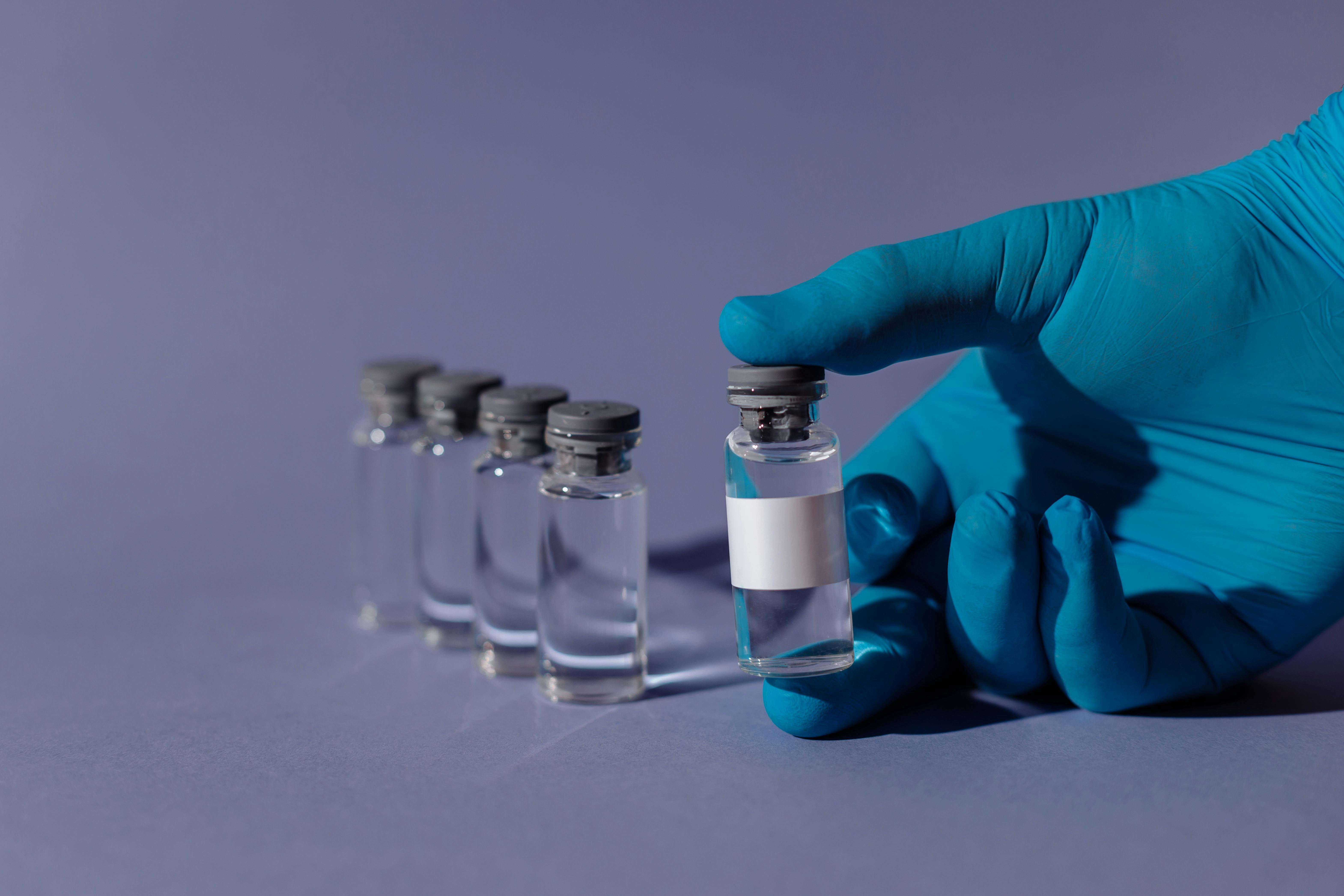


Until recently, KPV was largely confined to specialized peptide research circles and inflammatory bowel research discussions. In 2026, that has changed dramatically, as the peptide now appears regularly in conversations surrounding gut health, inflammatory regulation, skin recovery, immune balance, and broader longevity-focused wellness trends.
Biohacking communities now discuss KPV alongside recovery compounds such as BPC-157, while wellness influencers increasingly reference it in protocols centered around digestive health, inflammatory stress, and mucosal support.
The speed of that rise reflects a much larger shift happening across modern wellness culture. Over the last several years, inflammation has become one of the dominant frameworks through which people now interpret fatigue, digestive dysfunction, skin irritation, recovery problems, metabolic stress, and even aspects of aging itself.
As interest in gut integrity, immune signaling, microbiome health, and chronic inflammatory load has expanded, compounds associated with inflammatory modulation naturally began attracting far more attention.
And, unlike peptides primarily associated with muscle growth, body composition, or performance enhancement, KPV gained traction because of its relationship to inflammatory signaling and mucosal-healing research. That gave KPV a different kind of relevance within wellness culture to restoring balance within biological systems increasingly strained by chronic stress, poor sleep, processed diets, environmental exposure, and sustained metabolic overload.
What Exactly Is KPV and What Does it Do?
KPV is a small tripeptide composed of three amino acids: lysine, proline, and valine. It is derived from alpha-melanocyte-stimulating hormone (α-MSH), specifically the C-terminal region associated with many of α-MSH’s anti-inflammatory properties. Researchers became interested in KPV after early studies suggested the peptide could retain significant anti-inflammatory activity without some of the broader hormonal effects linked to the full α-MSH molecule.
Scientifically, what makes KPV especially interesting is not simply that it appears to reduce inflammation, but how broadly it seems to interact with inflammatory and immune-signaling pathways throughout the body.
Research models have explored KPV’s relationship to cytokine regulation, NF-κB signaling, oxidative-stress modulation, intestinal inflammation, epithelial-barrier integrity, and mucosal-healing mechanisms associated with inflammatory bowel conditions and tissue recovery. That systems-level involvement is a major reason the peptide gained traction so quickly within gut-health, recovery-focused, and longevity-oriented wellness communities.
Importantly, KPV’s growing popularity also reflects a broader cultural shift happening across wellness itself.
Unlike peptides marketed primarily around dramatic muscle growth or aesthetic transformation, KPV became associated with something more foundational: reducing biological stress, calming inflammatory overload, and supporting recovery within systems increasingly strained by chronic stress, poor diet quality, environmental exposure, sleep disruption, and metabolic dysfunction.


That distinction helped the peptide stand out in a wellness culture becoming increasingly focused on inflammation as a central driver of long-term health outcomes.
As interest around anti-inflammatory peptides continues growing, researchers can get KPV 10mg from leading suppliers like Eternal Peptides, which has built a strong reputation by emphasizing third-party analytical testing, sterility verification, endotoxin screening, heavy metal analysis, and batch-specific documentation across their peptide catalog.
Why Gut-Health Culture Helped KPV Go Viral
One of the biggest reasons KPV gained momentum so quickly is because it entered the wellness market at a time when gut health had already become one of the dominant frameworks for understanding overall health and recovery.
A decade ago, digestive-health conversations were largely limited to probiotics, fiber intake, and general nutrition advice. In 2026, the discussion has expanded dramatically. The microbiome, intestinal permeability, mucosal integrity, inflammatory bowel conditions, immune signaling, and gut-brain interactions are now treated as central components of metabolic health, recovery quality, immune resilience, and even cognitive performance.
That shift created the ideal environment for peptides like KPV to attract attention.
Several early research models involving inflammatory bowel and murine colitis studies suggested KPV exhibited notable anti-inflammatory activity within intestinal tissues. Researchers observed reductions in inflammatory-cell infiltration, cytokine signaling, and markers associated with colonic inflammation, while additional mechanistic studies explored how KPV may interact with PepT1 transport pathways capable of facilitating uptake into intestinal epithelial and immune cells.
Those findings generated significant interest because modern wellness culture increasingly views chronic inflammation and intestinal dysfunction as upstream drivers of much broader systemic problems.
Today, discussions surrounding gut health frequently extend far beyond digestion itself and into areas such as:
- recovery quality,
- immune balance,
- skin health,
- metabolic efficiency,
- mood regulation,
- energy production,
- and cognitive resilience.
KPV fits naturally into that broader conversation because it became associated not only with inflammatory modulation, but also with supporting intestinal integrity and mucosal-healing pathways simultaneously.
That combination gave the peptide a very different identity from many traditional performance-focused compounds. Rather than promising extreme stimulation or dramatic physical transformation, KPV became associated with restoring balance within biological systems increasingly strained by inflammatory overload and chronic stress exposure.
Its rise also reflects the growing cultural appeal of peptides themselves. Within biohacking and longevity communities, peptides increasingly carry a kind of scientific credibility that traditional supplements often lack. They are perceived as more targeted, more mechanistically precise, and more biologically sophisticated than older wellness ingredients, a perception that helped accelerate interest around compounds tied to gut integrity, inflammatory regulation, and recovery-focused wellness strategies.
KPV and the Rise of “Quiet Wellness”
Interestingly, KPV’s popularity also reflects a broader philosophical shift happening across modern wellness culture itself.
For years, wellness trends revolved heavily around intensity and stimulation: harder training, aggressive supplementation, restrictive dieting, stimulant-heavy performance products, and constant “push harder” optimization mindsets. The dominant goal was usually maximizing output at all costs.
That approach is beginning to change. Today, many people are becoming more interested in regulation rather than overstimulation: nervous-system balance, inflammatory management, stress resilience, recovery quality, gut integrity, sleep optimization, and protecting the body from chronic biological overload instead of continuously forcing more performance from already stressed systems.
KPV fits almost perfectly into that newer wellness philosophy. Rather than being associated primarily with muscle growth or dramatic physique enhancement, the peptide became popular among researchers and wellness communities focused on inflammatory bowel discussions, epithelial-barrier support, skin irritation research, immune regulation, mucosal healing, and recovery-focused wellness strategies centered around reducing chronic inflammatory stress.
Researchers have also explored KPV’s relationship to epithelial repair and inflammatory skin pathways, including mechanistic studies involving oxidative stress regulation and keratinocyte inflammation. That crossover helped move KPV beyond digestive-health discussions and into broader conversations surrounding skin health, recovery science, and systemic inflammatory balance.
In many ways, KPV represents the growing popularity of what could be described as “quiet optimization,” or wellness centered less on stimulation and extreme output, and more on reducing internal biological friction so the body can function more efficiently under chronic modern stress.
Why Researchers Continue Paying Attention to KPV
Despite the viral attention surrounding KPV online, researchers remain interested in the peptide for legitimate scientific reasons.
One of the more interesting aspects of KPV research is that the peptide does not appear to behave like a broad immunosuppressant in the traditional sense. Instead, many discussions surrounding KPV focus on selective inflammatory modulation and signaling regulation without the same degree of generalized immune suppression associated with certain anti-inflammatory drugs.
That distinction is significant because modern inflammatory research increasingly focuses on regulation rather than indiscriminately shutting inflammatory pathways down altogether.
Researchers have explored KPV in relation to inflammatory signaling, ulcerative colitis models, mucosal healing, epithelial-barrier integrity, oxidative stress pathways, skin inflammation, wound healing, and broader immune-regulation mechanisms tied to intestinal and epithelial tissues. More recent investigations have even examined advanced delivery systems, including nanoparticle and hydrogel-based approaches designed to improve KPV targeting within inflammatory bowel research models.
That continued scientific interest helped give KPV credibility within serious peptide and inflammatory-research communities rather than allowing it to remain purely a social-media wellness trend.
At the same time, researchers consistently emphasize an important caveat: much of the current evidence surrounding KPV still comes from mechanistic studies, cellular models, and animal research rather than large-scale human clinical trials.
Final Thoughts: KPV May Be the Future of Recovery-Focused Wellness
KPV’s rise from relatively obscure research peptide to one of the most discussed anti-inflammatory compounds in wellness culture says a great deal about where modern health and longevity conversations are heading.
People today are becoming far more focused on inflammation, gut integrity, immune balance, recovery quality, epithelial health, and long-term biological resilience rather than chasing short-term stimulation or performance enhancement alone. That broader cultural shift created the ideal environment for compounds like KPV to gain momentum, particularly as wellness discussions increasingly frame chronic inflammation and metabolic stress as upstream drivers of fatigue, recovery problems, digestive dysfunction, skin irritation, and broader age-related decline.
At the same time, researchers continue emphasizing the importance of scientific nuance and careful interpretation. While the early mechanistic and animal data surrounding KPV is undeniably intriguing, many questions involving long-term human applications, dosing strategies, delivery methods, and broader clinical relevance remain under active investigation.
That distinction matters because inflammatory signaling and immune regulation are extraordinarily complex systems, and modern wellness culture often moves much faster than the underlying science itself.
Still, there is little doubt that KPV has become one of the defining peptides within the growing recovery-focused wellness movement, not simply because people are searching for another viral compound, but because increasingly, they are looking for ways to reduce the chronic biological stress and inflammatory overload built into modern life.