


















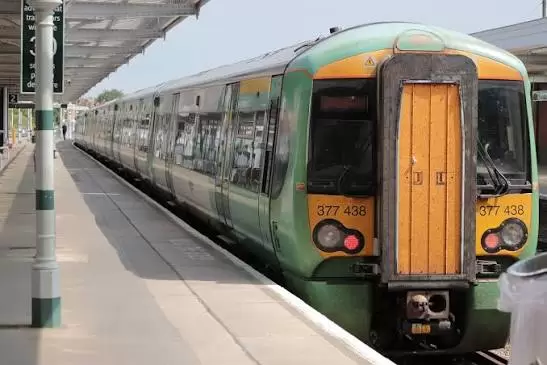


A Southern Rail service carrying around 150 passengers derailed near Lewes on Thursday evening, leaving 18 people needing hospital treatment and two seriously injured.
The train came off the track and ended up on its side. Three air ambulances attended alongside dozens of emergency vehicles, and a major incident was declared. Everyone on board was assessed at the scene, and passengers who were not taken to hospital were moved to a community centre in Lewes.
The line between Lewes and Haywards Heath is closed and is expected to remain so while the wreckage is assessed.
The Investigation
The Rail Accident Investigation Branch has sent a team of inspectors to the site. No cause has been established and none of the parties involved is speculating.
Lucy McAuliffe, Network Rail’s route director for Sussex, said she was shocked and saddened by what had happened, and that specialist teams face a complex job assessing damage to the train and the infrastructure. She said it would be inappropriate to comment on the cause while the RAIB investigation is under way, and thanked emergency services and the local community for their response.
John Whitehurst, chief executive of GTR, which operates Southern, said the welfare of passengers and staff was the immediate priority and that the company would leave no stone unturned in supporting the investigation.
Transport Secretary Heidi Alexander said she was deeply concerned and that work was under way with the rail industry and local partners to assist passengers.
What It Means for Getting Around
The practical position for anyone travelling this weekend is that the Lewes to Haywards Heath section is out, and there is no timetable for reopening.
That matters beyond Lewes. It is the connection that takes East Sussex passengers onto the main London line, so journeys from Eastbourne, Seaford and Newhaven towards Victoria and London Bridge are affected. Brighton to London services run on a separate route via Preston Park and Haywards Heath and are not directly hit, but disruption of this scale tends to spread as services are reorganised around it.
Southern is advising passengers to check before travelling at southernrailway.com. Rail replacement arrangements will depend on how long the closure lasts, and that will not be clear until engineers have finished assessing the site.


The Response
Emergency services were on scene through the evening in what McAuliffe described as particularly challenging temperatures. Sussex Police, the ambulance service, the fire service and Network Rail’s own teams worked alongside one another, and both statements singled out the response for thanks.
The recovery work is likely to take days rather than hours. Lifting a derailed train and repairing track and signalling is slow work, and none of it starts until the RAIB has gathered what it needs.