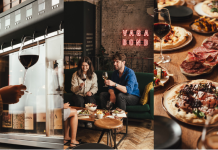





















Remote work has reshaped the rhythm of life in London in ways that extend beyond office walls. Commuting patterns have changed dramatically, with early morning trains and buses quieter than ever, leaving employees with unexpected pockets of time. Many have reimagined how their mornings unfold, introducing practices that prioritise both focus and calm before the workday begins. Coffee shops and local cafés have seen new patterns emerge as part of this transition, with workers spreading out their visits rather than clustering during peak hours.
The boundaries between work hours and personal time have also shifted. Without the fixed schedule of an office, some find themselves taking short breaks at varying intervals, while others prefer longer, fewer pauses. Even lunchtime routines have changed, with remote workers more likely to step out for a short walk, complete errands, or prepare meals at a leisurely pace. Evening schedules now frequently blend relaxation with productivity, as workers may continue with tasks or plan for the following day well into what would have once been post-work hours. Fitness classes, neighbourhood strolls, and quiet periods at home have become common ways to punctuate the day.
Digital platforms have become part of these new routines. Some professionals experiment with online experiences such as meditation apps, casual puzzle games, or casinos not on gamstop, which allow for brief mental diversions and social engagement during flexible working hours. Features such as low‑stakes games, interactive challenges, and themed sessions make these moments both entertaining and manageable within the workday, without drawing attention away from core responsibilities. These platforms reflect a broader trend of integrating micro-leisure into daily life, providing options that fit into irregular schedules without requiring large blocks of free time.
Working from home has also shifted how Londoners structure their evenings. Many people now alternate between finishing tasks, engaging in personal projects, and connecting with friends virtually. Remote work has made it easier to schedule activities at non-traditional times, from early‑morning gym sessions to late‑evening creative pursuits. The traditional 9-to-5 has given way to more flexible rhythms, with some workers starting and ending their day at times that suit individual energy levels rather than commuting constraints.
Public spaces in London have adapted to these new routines as well. Cafés, parks, and co-working hubs have seen changes in occupancy patterns. Midday and early afternoon periods now often see a steady flow of remote workers seeking quiet corners or semi-private seating for calls and focused work. Neighbourhood businesses have noticed the shift, adjusting opening hours and services to accommodate the ebb and flow of a workforce no longer tied to a central office.
The impact extends to social habits too. Evening events and casual meet-ups have adjusted, with participants often joining for shorter durations or at varied times to fit around work-from-home schedules. The flexibility has encouraged people to explore different ways of combining productivity with relaxation, such as alternating between short creative sessions, reading, or even brief online challenges that provide a mental reset. Technology, whether through apps for time management or social engagement, supports this balance without imposing rigid expectations.
Even within professional settings, patterns are changing. Remote teams are adapting to asynchronous communication, allowing employees to focus on deep work without constant interruptions. Meetings are scheduled with awareness of personal routines, and collaboration often occurs in bursts rather than throughout a fixed day. London’s business community is observing the effects closely, recognising that these shifts influence both efficiency and employee wellbeing.
While the full long-term effects are still emerging, one clear outcome is that Londoners are reclaiming parts of the day once dominated by commuting and office routines. Individuals have more autonomy to decide how and when they work, rest, and engage with personal interests. The result is a rhythm that is unique to each household, neighbourhood, and professional context, reflecting a city adapting to new ways of working without losing its vibrancy or sense of connection.