























Written by Sila Kiss
Covid-19 has been impacting our daily lives, and the same goes for wildlife. From the Guardian’s coverage, we can remember seeing jackals near people in Tel-Aviv, goats on the highway in Istanbul, and a deer using a pedestrian crossing in Japan.
Coming closer to Great Britain, we witnessed goats on the streets of Wales, and unfortunately, we heard that a man died after being attacked by cows in Yorkshire Dales. And of course it is more visible to see foxes in Brighton & the Hove.
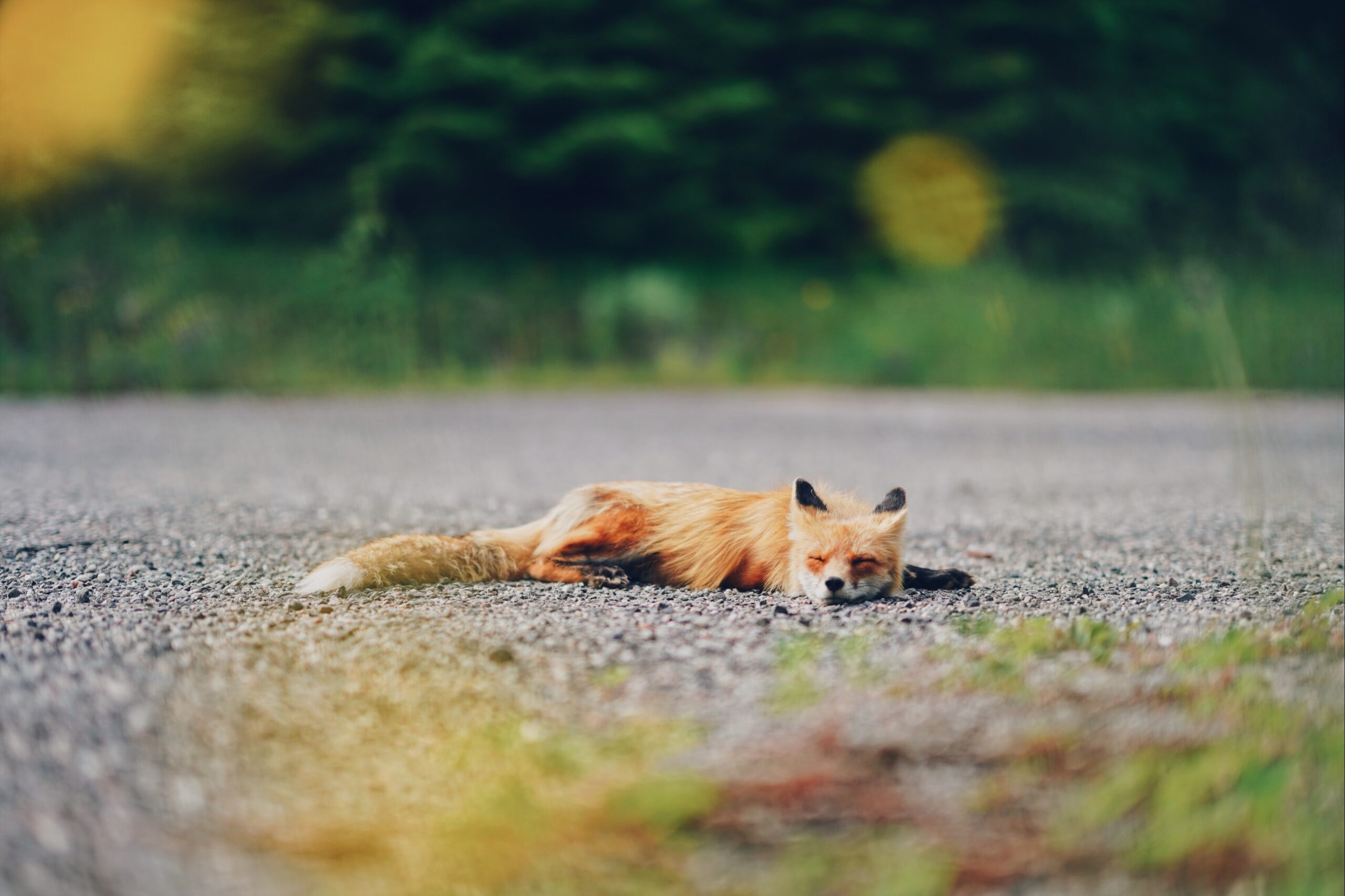
In the UK, it has always been common to see foxes, squirrels and crows around us. Thanks to the coronavirus pandemic, wildlife has started to form groups and become more visible.
Professor Richard Kock, a Wildlife Health and Emerging Diseases expert at Royal Veterinary College, says foxes are an indigenous species in UK and vital for the ecosystems that remain. They act as a natural control of rodents and rabbits, an ecosystem service.
As explained on the Government’s webpage:
“Foxes are classed as wild animals, not pests, and the Council has no statutory powers or legal rights to eradicate foxes on private or other land.”
According to the Royal Borough of Kensington and Chelsea’s webpage, foxes are not a threat, and attacks on children and dogs are rare.
Improve Waste Management & Bin Designs
“Nothing is needed for fox control,” says Professor Kock, “it will find its own balance as long as we control human behaviour.”
He says we need to focus on improving waste management, drawing attention to the fact that the real problem is the humans. Professor Kock also said that the rise of the foxes in towns and cities is due to humans consuming more during the pandemic.
The Government’s webpage has some suggestions. The mentality is to reduce the availability to food and shelters. There are two legal ways to dispose of foxes – one is shooting and the other is administering of a lethal injection after caging.
The Government webpage states:


“Only a vet can administer a lethal injection and most vets are unwilling to put down any healthy animal.
“Some pest control companies will kill foxes. If you decide to employ someone to kill a fox on your property you will be responsible for the costs of killing and disposing of the animal (which can be considerable). Also, the territory of a culled fox will be quickly re-occupied by another fox.”
When asked about suggestions made on the webpage, including the use of non chemical sprays, not leaving doors open in the dark, never leaving household refuse out on the street or in a side-way overnight, and only putting refuse out on the right collection day, Professor Kock responded:
“Yes, but better bin designs are also important. Feral cats, in my opinion, are a much bigger problem in the UK.”
On the topic of responding with action to the rising population of foxes, Kock said:
“Not a problem, as food will determine population size. Humans have responsibility to reduce food waste for many reasons.”
Featured Image: © Qijin Xu