





















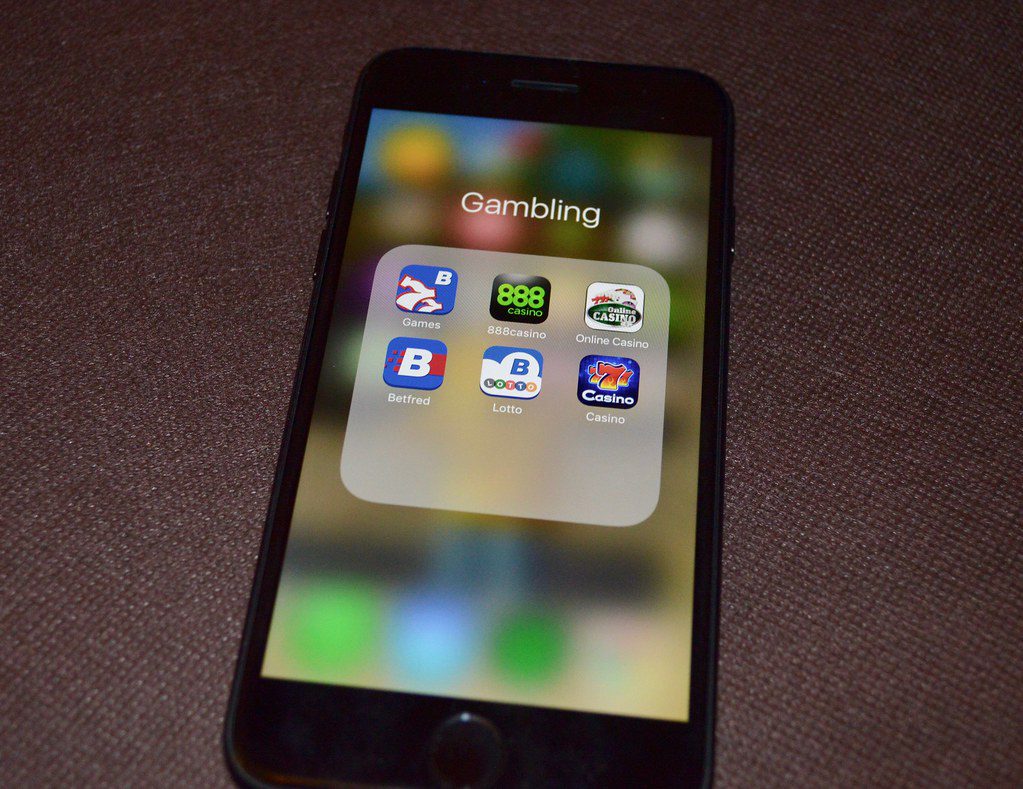


As the gambling industry undergoes constant evolution, the emergence of online casino apps marks a profound departure from conventional brick-and-mortar establishments. This isn’t just a technological leap; it signifies a fundamental change in how individuals interact with games of chance, fundamentally shifting the dynamics of the entire gambling ecosystem.
The transition from physical casinos to the virtual realm encapsulates more than just a change in platforms; it represents a cultural shift in how people perceive and participate in gambling activities. Online casino apps have become not only a convenient technological alternative but also a new social space where players immerse themselves in the thrill of games, reshaping the very essence of the gambling experience.
The rise of these digital platforms symbolises a dynamic era in the realm of chance, where accessibility and engagement intertwine to redefine the landscape of gambling entertainment.
Examination of the shift from land-based to online casino apps
The traditional allure of the roulette wheel’s spin or the shuffling of cards in a bustling casino is being rivalled, if not eclipsed, by the convenience and accessibility offered by online casino apps. The rise of mobile gambling has seen a substantial migration of players from the opulent halls of traditional casinos to the palms of their hands. According to recent industry reports, over 40% of global gambling revenue is now generated from online platforms, indicating a seismic shift in player preferences.
Moreover, the immersive experience provided by advanced graphics and real-time gameplay on £2 deposit casino apps has become a significant draw. It’s not just about the game; it’s about the experience, and online casino apps deliver it in ways that traditional establishments find challenging to replicate.
Effects on revenue and customer engagement
The financial implications of this migration are profound. Traditional casinos, once the uncontested kings of the gambling realm, are witnessing a dip in revenue as the digital domain gains ground. Recent statistics reveal a 15% decline in the income of land-based casinos over the past five years, with the trend showing no signs of abating.
On the flip side, online casino apps are thriving, with a reported 25% increase in revenue during the same period. The ease of transactions, the allure of exclusive bonuses, and the ability to play anytime, anywhere have become powerful magnets for the modern gambler. The result? A burgeoning online casino market that’s not only financially lucrative but also boasts higher levels of customer engagement.
Pros and cons for both online and traditional casinos
Navigating the world of casinos involves weighing the pros and cons, whether in conventional brick-and-mortar establishments or in the dynamic landscape of online gaming. Each avenue brings forth a unique set of advantages and drawbacks catering to diverse preferences and lifestyles.
As we delve into the intricacies of both online and traditional casinos, we must recognise the evolving nature of gambling experiences. Traditional casinos boast the ambience, social interactions, and tactile allure of physical spaces, offering a classic charm that has stood the test of time.


| Traditional casinos | |
| Pros | Cons |
| The palpable excitement and atmosphere of a physical casino. | Accessibility is confined to the physical location of the casino. |
| The camaraderie and social element of shared gambling experiences. | High operational costs, including staff and maintenance. |
| Entertainment beyond gambling: shows, fine dining, and other non-gambling entertainment options. | Limited game variety compared to online casinos. |
| Personalised service from staff, creating a more immersive experience. | Potential for crowded and noisy environments. |
| Instant cash payouts for winnings. | |
In contrast, online casinos provide unparalleled convenience, an extensive game variety, and accessibility from the comfort of one’s home.
| Online casinos | |
| Pros | Cons |
| The ability to gamble from the comfort of one’s home is a game-changer. | Lack of the tangible casino atmosphere and social interactions. |
| Online platforms open up gambling to a global audience. | Dependence on technology, subject to potential technical issues. |
| A vast array of games, often with innovative features, appeals to a broad player base. | Processing time for withdrawals may be longer compared to physical casinos. |
| Lower operational costs, allowing for more favourable odds and bonuses. | |
| Diverse payment options and secure transactions. | |
These tables shed light on the strengths and weaknesses of each, empowering you to make informed choices in your pursuit of gaming satisfaction.
Future coexistence or competition?
As the digital wave continues to reshape the gambling landscape, the question arises: is there room for both online casino apps and traditional establishments to coexist harmoniously, or are they destined to be in direct competition?
The answer may lie in hybrid models that blend the best of both worlds. Some traditional casinos are embracing digital platforms, offering online versions of their games or developing dedicated apps. Simultaneously, online casinos are exploring ways to recreate the immersive atmosphere of traditional establishments through virtual reality experiences.
In a surprising twist, some experts suggest that the rise of online gambling may revitalise traditional casinos. The convenience of online play could serve as a gateway, enticing new players who might then be drawn to experience the unique charm of a physical casino.
The future may witness a symbiotic relationship where each format complements the other. The key lies in adaptation and innovation—for both online and traditional casinos—to cater to the evolving demands of a diverse and dynamic gambling audience.
In conclusion, the impact of online casino apps on traditional gambling establishments is undeniable. It’s not just a technological evolution; it’s a cultural shift in how people perceive and engage with games of chance. Whether this shift signals the eventual dominance of online platforms or a reinvigoration of traditional casinos remains to be seen, but one thing is sure—the gambling industry is undergoing a profound transformation.