





















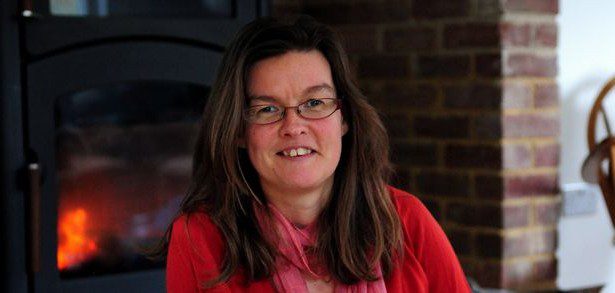


43-year-old Rachel Hinks has quit her job, left her home, and started living in a shack – all to get away from Wifi.
The Chichester-based therapist claims to suffer from Electromagnetic Hypersensitivity (EHS), a much-debated condition which is currently not recognised in the UK.
EHS causes the sufferer’s immune system to be severely negatively affected by electromagnetic fields, which are given out by phones, phone masts, and Wifi. The World Health Organisation recognises the disease and states symptoms can include: ‘headaches, fatigue, stress, sleep disturbances, skin symptoms like prickling, burning sensations and rashes, pain and ache in muscles and many other health problems’. Suggested holistic treatments include root canal removal, and radio frequency grounding.
Lupus-sufferer Rachel says she used to have only mild EHS symptoms; her ear would itch and burn after using a cordless phone, and she would experience fatigue using Wifi. In December 2015, Rachel’s condition caused a ‘meltdown’, which she attributed to a nearby phone mast converting from 2G to 4G.
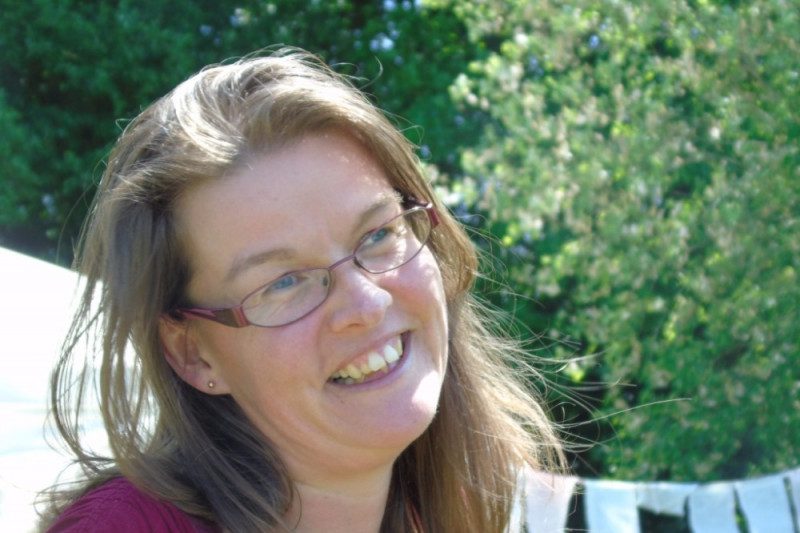
“What if I’m the canary in the mine,” said Rachel, “What if I’m one of the first to suffer from these symptoms because of my weak immune system, but in a couple hundred years who knows how much more advanced technology will be and how many more people will be suffering as a result of it?”
Since Rachel became ‘severely affected’, she has lodged in an annexe at the bottom of her garden, and is debating living in a caravan. She drives home every day to feed her cat and keep it company, exposing herself to the signals she so desperately tries to avoid, even asking friends who visit her to switch off their mobile phones.
Rachel, who now ‘finds herself in a crisis’, has now set up a crowdfunding page to raise money to help with her living situation and pay for treatments not available on the NHS.
She said: “I would like to break through the taboo of a condition that people have little awareness of, so that anyone suffering from this receives understanding and support from those around them, and that it becomes easier to get a diagnosis.”