





















Looking after your health as you get older is a vital commitment you should make to yourself, as it will enable you to live a more fulfilling life and ensure you have the energy to maximise your retirement. Living a long life might be a goal of yours, so you want to make sure you are healthy, so you can be as happy and as comfortable as possible.
Unfortunately, as you get older, you are at a higher risk of experiencing health complications. However, you have the power to make your own choices in life and play an active role in your own health and well being.
To help you on your journey and stay the happiest, healthiest version of yourself, here are some top tips.
#1 Get regular health checks
Visit your doctor for regular health checkups, so that you can talk to them about any issues that may arise, so you can limit their progression and deal with any problems as early on as possible. This will ensure you can stay as strong and as healthy as possible. You may also choose to get your hearing regularly tested, as it is inevitable as you get older that your hearing will change. This will enable you to make any adaptations that are necessary for you to be comfortable and continue to participate in society. Another good health checkup to obtain is a visit to the eye doctor. Whether you have glasses or not, your vision is another thing that will inevitably change as you get older. They will be able to conduct a thorough check and ensure you walk away with an eye prescription to help you, if necessary.
When visiting health professionals, you must be honest with anything that you are experiencing, so they can tailor the advice to help you. It is also vital that you follow their advice. If you don’t, you won’t see a difference in your health.
#2 Create a homely environment
Your home should be a safe, calming and welcoming space where you can relax and retreat away from the hustle and bustle of life. As you get older, you are likely going to be spending more time in your home, especially if you start to slow down your working hours. It is therefore vital that you create a homely environment for yourself.
If you have a messy and cluttered home, it might be time to invest in some cleaning. Take some time to go around your home and create a home that is clean, and clear of clutter. This will instantly boost your mental health and help you live in a more peaceful home. You can always ask friends and family for support to clear your home or hire the help of a professional.
Once you have a clean home, you should decorate it in your preferred style. Your home should be a reflection of all your favourite things, as well as the things that bring you comfort. The way your home is decorated will impact your well-being, productivity and confidence. Consider the lighting that you have installed, the temperature, the decor, the colours, the smells, and the features. Make sure you design it in a way that will maximise your well-being and comfort. You can seek support from friends and family or a professional interior designer. Small home improvements will go a long way.
#3 Get enough sleep
Sleep is one of the most important activities that you should get right. When you sleep, your body uses this time to support your mental and physical health by recharging from the day and preparing you for the next. Your body will go through a variety of natural and essential functions while you are asleep, which will help your energy, attention, focus, memory, mood, digestion and much more. If you want to feel healthy, look youthful and decrease your risk of developing serious medical conditions, you should prioritise your sleep. Adults need to get high-quality sleep every night, for 7-9 hours. You should work on creating healthy sleeping habits. If you struggle, you should review your current patterns and change them. Make sure you create a relaxing environment in your bedroom and adopt practices such as meditation, reading, or yoga before you sleep to help you calm your mind and body for sleep.
#4 Eat a good diet
It is a well-known fact that those who eat a healthy diet live a longer and happier life. This is because good nutrition will fuel your body and give you lots more energy to be productive and do the things that you enjoy. Good nutrition will also lower your risks of developing any serious medical conditions and/or help you manage any that you already have. Food is powerful and is often underestimated. It can also impact your mood and your mental health.


Make sure you have a good emphasis on your diet and ensure that you are eating healthy. You may wish to speak to your doctor or a professional nutritionist to help you learn about the best foods for your body. A good place to start is to include lots of fruit and vegetables in your diet, reduce processed foods and cook your meals fresh at home. You can also explore a variety of supplements that will support your health. This is a great way to enjoy delicious food while having more control over what ingredients you are consuming. You can also make it into a hobby. As you will have more time on your hands as you enter retirement, you can experiment with different food and even take a cooking class for fun.
As well as food, you should also make sure that you are consuming enough water each day. Hydration will give you energy, support your health, regulate your body and help it function properly. Dehydration can cause some serious health issues.
#5 Stay active
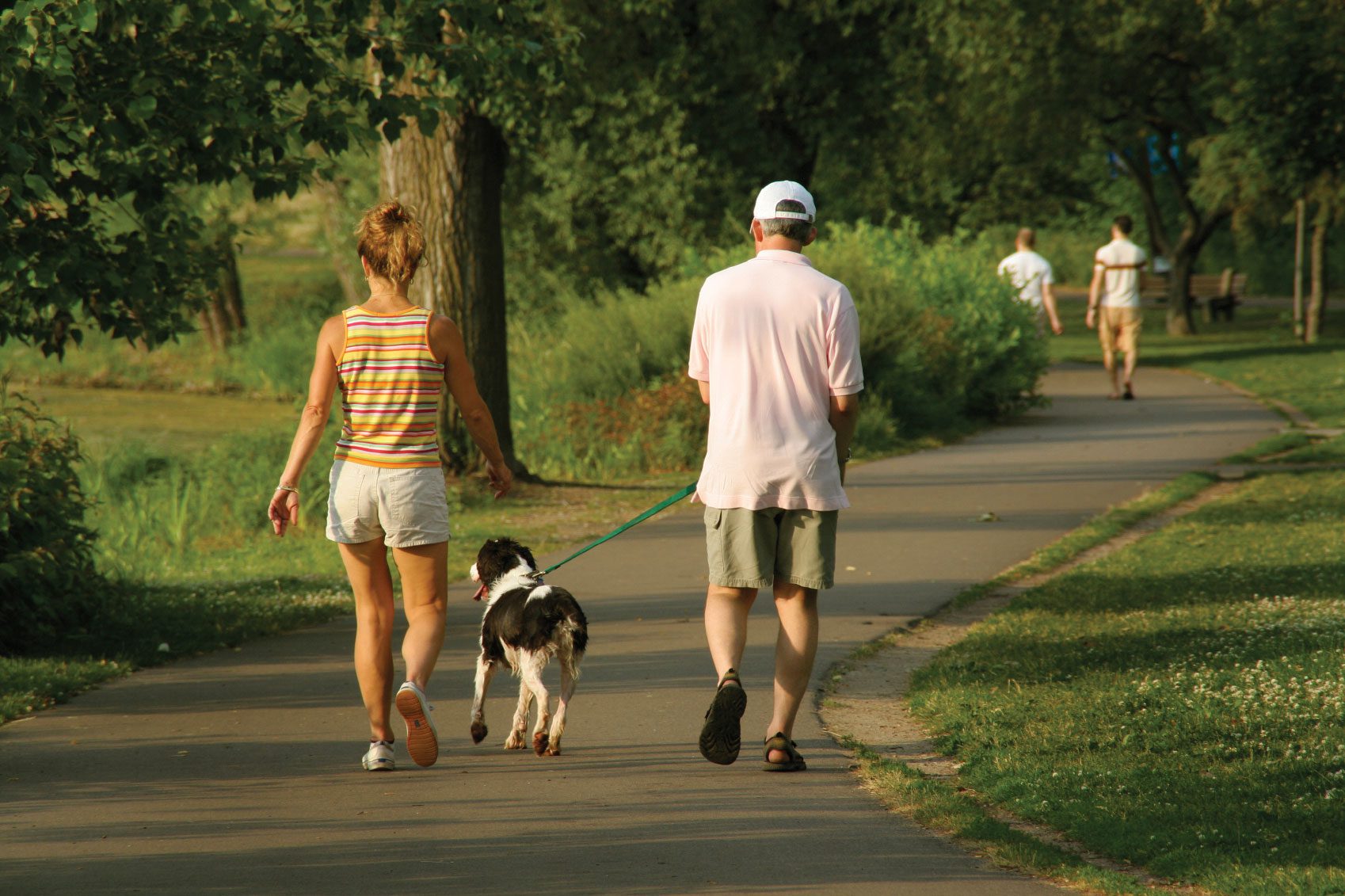
While other activities in your life might start to slow down as you get older, your exercise mustn’t. Staying active is another vital practice that you should continue even as you get older. Exercise has been shown to help lower your risk of serious medical conditions and prevent diseases. It is also a great way to boost the feel-good hormones in your body, improve your mental health and well-being, improve memory and cognitive function, and much more. It will also enable you to feel stronger, as you build muscle and strengthen your joints, so completing your daily activities and chores will come with ease.
You can exercise in the comfort of your own home with a few pieces of equipment, you can join a gym, you can complete activities such as walking or swimming, or join group classes. Group classes are great as they also enable you to build confidence and create a good social life.
#6 Be social
As you reduce your working hours and your life begins to change, your social life might change as well. It is therefore important that you take proactive steps to keep your social life alive. This will help fight off any feelings of loneliness, and make you much happier as you can connect and have fun with others. Having a strong network of friends, and supportive people who will be there for you when you need anything will improve your health and well-being.
Getting older is a challenge. Follow these top tips to living a longer, happier life on your own terms.