























As England enters four weeks of lockdown number two, the scale of the pandemic continues to impact the population on a global, national and local level. The prospect of a winter spent in isolation with little or no predictability as to the future course of action has resulted in overriding feelings of uncertainty, frustration and anxiety. And in times of instability, human beings can be pushed to, or beyond, their limits. COVID-19 has demanded and continues to demand immense adaptation, renewed resilience, and prolonged periods of precariousness. And at times trust has been undermined and hope eroded. But times of instability can also foster social cohesion, strengthen relationships and support networks, ignite social movements and generate new ways of thinking, helping and living, ultimately yielding new and innovative solutions to personal, social and communal problems. Written By Holly Battye
What, then, have the past eight months shown us about the nature of humans? Has it really brought out the best in us, fostered collective spirit and mutual kindness? Or is it accentuating the growing divide between disparate groups in society? And what are the key traits, attributes, and habits that we should aim to keep in mind moving forward through lockdown number two?
On the one hand, history is peppered with examples of crises that have led to an outpouring of aid and the fostering of solidarity, on both a global and community level. After disasters like Hurricanes, Tsunamis, and historically, wartime efforts (the infamous ‘Blitz spirit’ that crops up, rightly or wrongly, whenever Britain faces a crisis), people and communities come together to offer their services, prioritising those most in need and putting aside their own personal needs for those who require the most help. Moreover, barriers of class and race are temporarily suspended and the priority becomes the collective, bringing out the selfless and prosocial aspect of human nature.
Paradoxically however, COVID-19 and the need to adopt social distancing by billions of individuals has resulted in the need for wide-spread acts of cooperation, while simultaneously engaging in none of the expected human interaction that often characterise community cohesion and communal incentives. Thus, previous analogies may not be apt. In short, we are in isolation. Quarantine exerts a serious psychological cost, and as inherently social animals, the benefits that arise from shared experience and mutual suffering are harder to grasp when we are, for the most part, very much alone.
Moreover, the public’s (mostly widespread) compliance to measures such as social distancing reflect cooperation and action on a large scale, but it seems unclear as to whether this obedience stems from a fundamental wish to do good, benefit others and stay healthy, or from the fear of social shaming and possible legal sanctions. Lockdown number one presented us with numerous examples of selfish motives, as supermarket shelves found themselves empty and people flocked to the shops to hoard an unusual array of ‘essentials’.
The vulnerability and fragility of human nature was laid bare and it did not paint a beautiful picture. In fact, many divides within society have been accentuated by responses to COVID-19. We see a gulf between those who champion the need to wear facemasks (as per government guidelines), and those who maintain that they are useless, those who see no need for another lockdown and those who staunchly advocated it from the very beginning, those who write it off as a conspiracy, and those who are dealing with the fall out every day.
Likewise, COVID has highlighted and deepened the divide in economic terms, as large parts of the population isolate in comfortable homes, and others get by in cramped living spaces or face the pandemic alongside homelessness. While some have successfully re-adjusted to a new working-from-home day-to-day reality, others face threats to their livelihood, unemployment and find themselves relying on external help to get by. The curbing of social activities and human interaction has also accentuated the chasm between those who are surrounded by family and those who have been left alone, feeling more anxious and isolated than ever. COVID has not been an equalizer, but has fed the deep-set divisions in society and highlighted the need to tackle acute social problems such as homelessness, poverty and economic deprivation.
However, the pandemic has also resulted in acts of kindness, generosity and humanity. Back in May of this year, a report by Amnesty International found that, from a poll of 2000 adults, 1 in 10 had helped a stranger with a COVID-related crisis, 1 in 5 has spoken to a neighbour they have never previously interacted with and 12% of people had volunteered their time to help others during the pandemic.
In the Brighton and Hove area alone, local communities have continued with food partnerships, working with the council, residents and other organisations to set up food hubs, support existing food banks and ensure those in need remain fed during the pandemic. Local businesses have set up initiatives to offer discounts and offers for NHS workers on the frontline, charities like Together Co have been working hard to make sure those who are most at risk do not find themselves alone or completely isolated, and Facebook groups have even been set up to help others with food shopping, picking up prescriptions or even taking the dog for a walk.
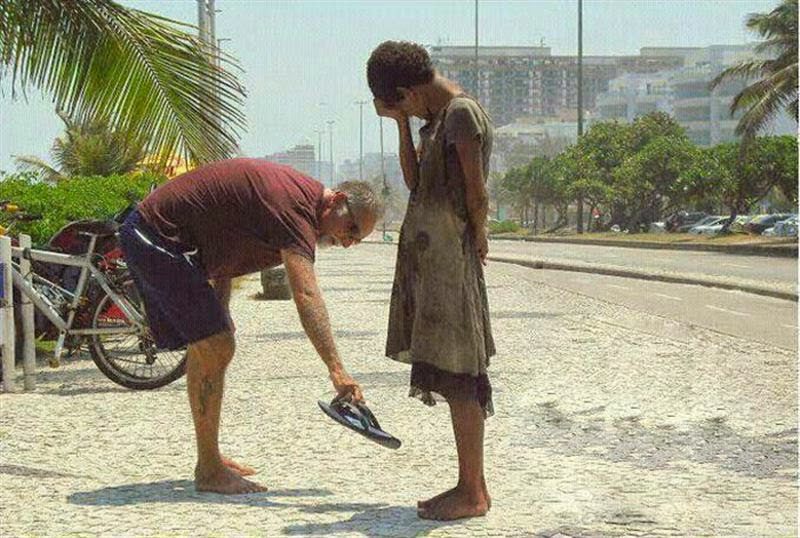
On a local level, then, the pandemic has resulted in a number of tangible acts of kindness, compassion and selflessness. And while it stands to reason that community spirit is not a replacement for government action or strong leadership, it is nonetheless important to remember that, as we head into and out of the other side of a second lockdown, protecting yourself and others is not simply a matter of shielding physically, washing your hands and wearing masks. As overused and banal as this advice has come to sound, it really is about prioritising mental and physical health, exercising compassion where possible and nurturing the fact that human beings are a social species that rely on cooperation to survive and thrive, even if this may be in the new and unfamiliar ways we are now encountering.