





















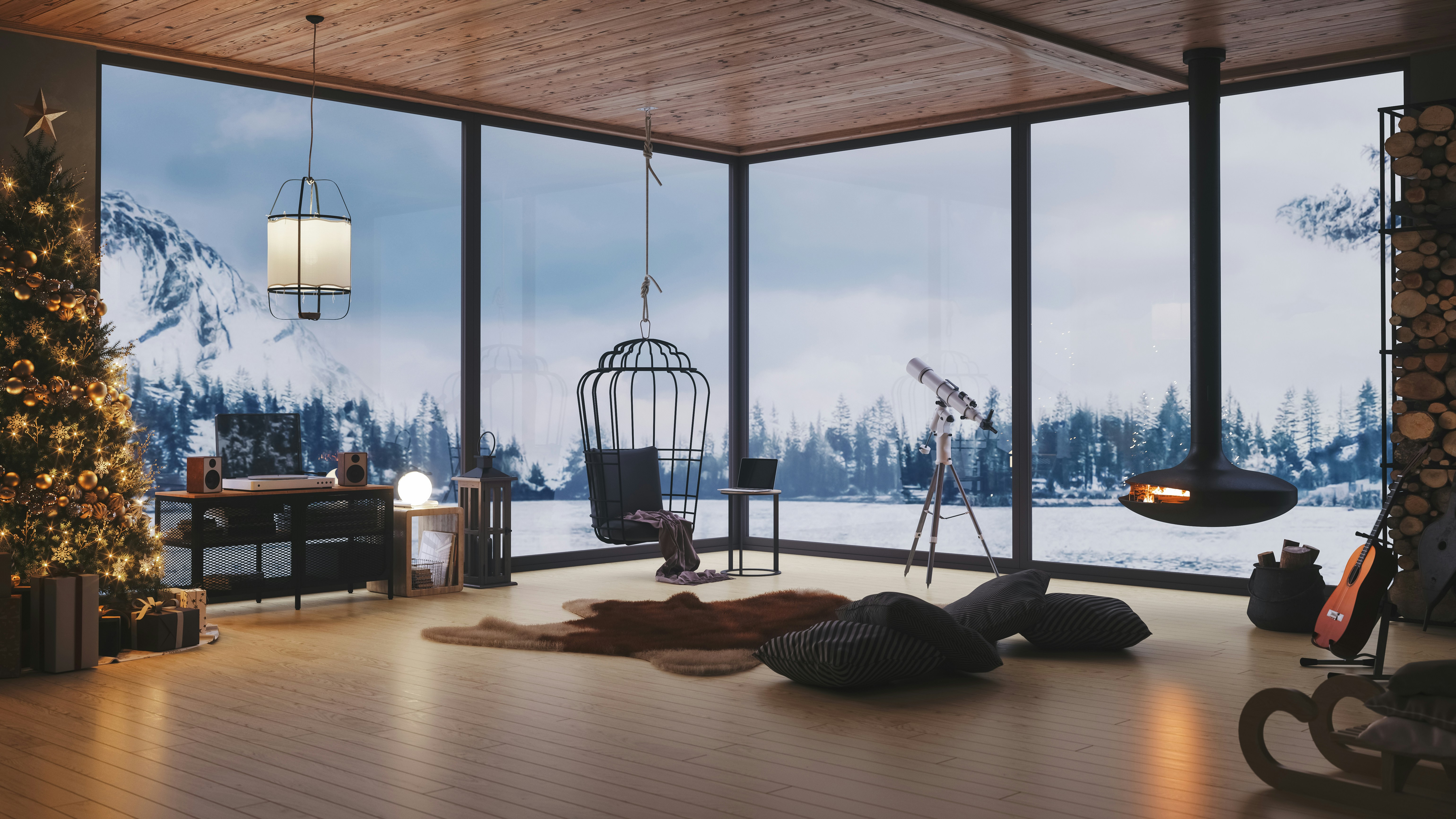


Contemporary home design is about more than clean lines, open-plan layouts, and carefully chosen materials. The most successful spaces also consider how people experience a home throughout the day. Natural daylight plays a major role in that experience, influencing everything from the sense of space to the atmosphere of individual rooms.
By making daylight a priority at the design stage, homeowners can create interiors that feel brighter, more comfortable, and better suited to everyday living.
Making Interiors Feel More Spacious
Natural light can dramatically change the perception of a room. Dark areas often feel enclosed, while spaces with generous daylight tend to appear more open and inviting.
This is particularly valuable in contemporary homes where kitchens, dining areas and living rooms frequently flow into one another. Good daylight distribution can emphasise this sense of openness, helping different areas feel connected without removing their individual functions.
It can also benefit smaller homes. Rather than relying solely on physical floor space, designers can use glazing, reflective surfaces and thoughtful layouts to create a greater feeling of depth.
Bringing Light Into Difficult Spaces
Traditional windows are not always enough to illuminate every part of a property. Extensions, deep floor plans and neighbouring buildings can leave central areas with limited access to daylight.
Roof glazing provides another way to introduce light, particularly where adding large windows to external walls is impractical. For example, fixed rooflights can introduce daylight from above while complementing the simple architectural lines commonly associated with modern residential design.
This approach can be especially effective above kitchen islands, dining spaces, hallways and extensions where light needs to reach further into the interior.
Supporting Comfortable Everyday Living
Daylight should not be treated purely as an aesthetic feature. The way a room is illuminated can influence how comfortable and practical it feels throughout the day.
A naturally bright kitchen can provide a pleasant environment for preparing meals, while daylight in a home office can reduce dependence on artificial lighting during working hours. Living areas can also feel more welcoming when the changing light outside becomes part of the interior environment.


Considering how rooms will actually be used helps determine where glazing will provide the greatest benefit.
Highlighting Materials and Architectural Details
Contemporary interiors often rely on subtle details rather than heavy decoration. Timber, stone, concrete, metal and textured finishes can all change in appearance depending on the light around them.
Natural daylight reveals these variations, allowing colours, textures and architectural features to become more noticeable. As daylight changes from morning to evening, it can also give an interior a different character at different times of day.
Reducing Reliance on Artificial Lighting
A well-planned daylight strategy can decrease the need to switch on electric lights during daytime hours. While artificial lighting remains essential after dark and on particularly gloomy days, making better use of available daylight can contribute to a more efficient home.
The key is balance. Simply adding as much glazing as possible is not necessarily the best solution. Orientation, glare, solar gain, privacy and potential overheating all need to be considered alongside the desire for brighter interiors.
Designing With Daylight From the Start
Daylight is most effective when it forms part of the original design rather than being treated as an afterthought. Window positioning, roof glazing, room orientation, ceiling heights and internal layouts can all influence how natural light travels through a property.
By considering these factors early, contemporary homes can combine strong aesthetics with practical everyday comfort. The result is not simply a brighter building, but a home where daylight actively contributes to the way each space looks, feels, and functions.