






















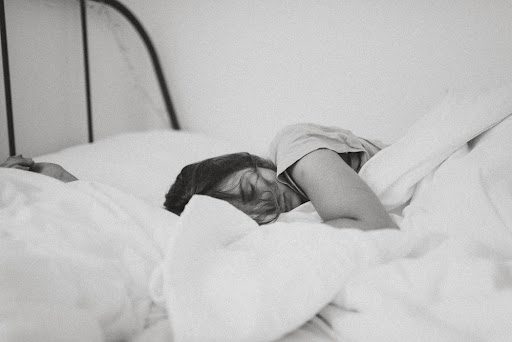


Getting a good night’s sleep often feels like a luxury. With the hustle and bustle of modern-day living, chasing those recommended eight hours can feel like an uphill battle. Add in the responsibilities of parenthood or demanding shift work and a regular sleep schedule goes out of the window entirely.
At the time we laugh it off and accept sleep deprivation as our way of life. “I’ll sleep when I’m dead”, we joke as we pour our second cup of coffee and scarf down a chocolate bar in the hope the sugar will jolt us awake. However, sleep isn’t just a convenient recharge setting; it’s also crucial to our physical and mental wellbeing.
Let’s explore the health benefits of sleep.
Physical health
Getting adequate sleep is important to help you maintain good physical health. A study carried out by King’s College London found sleep deprivation often leads us to eat more calories than we would if we’d had a proper night’s kip. A healthy sleep pattern has also been linked to a reduced risk of heart disease so it’s well worth getting your eight hours as often as possible.
Productivity and concentration
Imagine taking an exam or doing a client pitch after a sleepless night. Chances are you wouldn’t be very successful. Lack of sleep can impair our ability to function and make it harder to concentrate, which can cause a drop in productivity.
Not only is poor concentration inconvenient, but it can also be extremely dangerous. For example, if you’re driving a car or operating heavy machinery you could put yourself and others in danger.
Mental health
Chronic lack of sleep can have serious effects on our mental health and can lead to long-term disorders such as depression and anxiety. Reports from the NHS state that most people with anxiety or depression have poor sleep habits, with many getting no more than six hours sleep a night.


Tips for improving your sleep
One of the most important aspects of getting a good night’s sleep is actually falling asleep. To make this as easy as possible, ensure your bedroom, bedding and nightwear is comfortable and suitable for the current temperature. A pair of thermal pyjamas or a nightdress will ensure you stay warm through the colder months and cool through the summer.
Another way to make it easier to fall asleep is to wind down before bed, such as using CBN oils to help you calm down. Spend the last hour before you go to sleep doing something calming like meditating or reading a book, to help your mind and body relax.
It’s best to avoid overstimulating your body a few hours before going to sleep, so steer clear of rigorous exercise. Opt for gentle exercise like yoga and stretching, as these can be beneficial prior to sleep. It’s also important to allow your digestive system to settle down for the night, so don’t eat a large meal or drink anything caffeine-based in the last few hours before bedtime.