






















| We all know what happens to Barbie™ when she leaves the toy box. But what happens to her plastic?
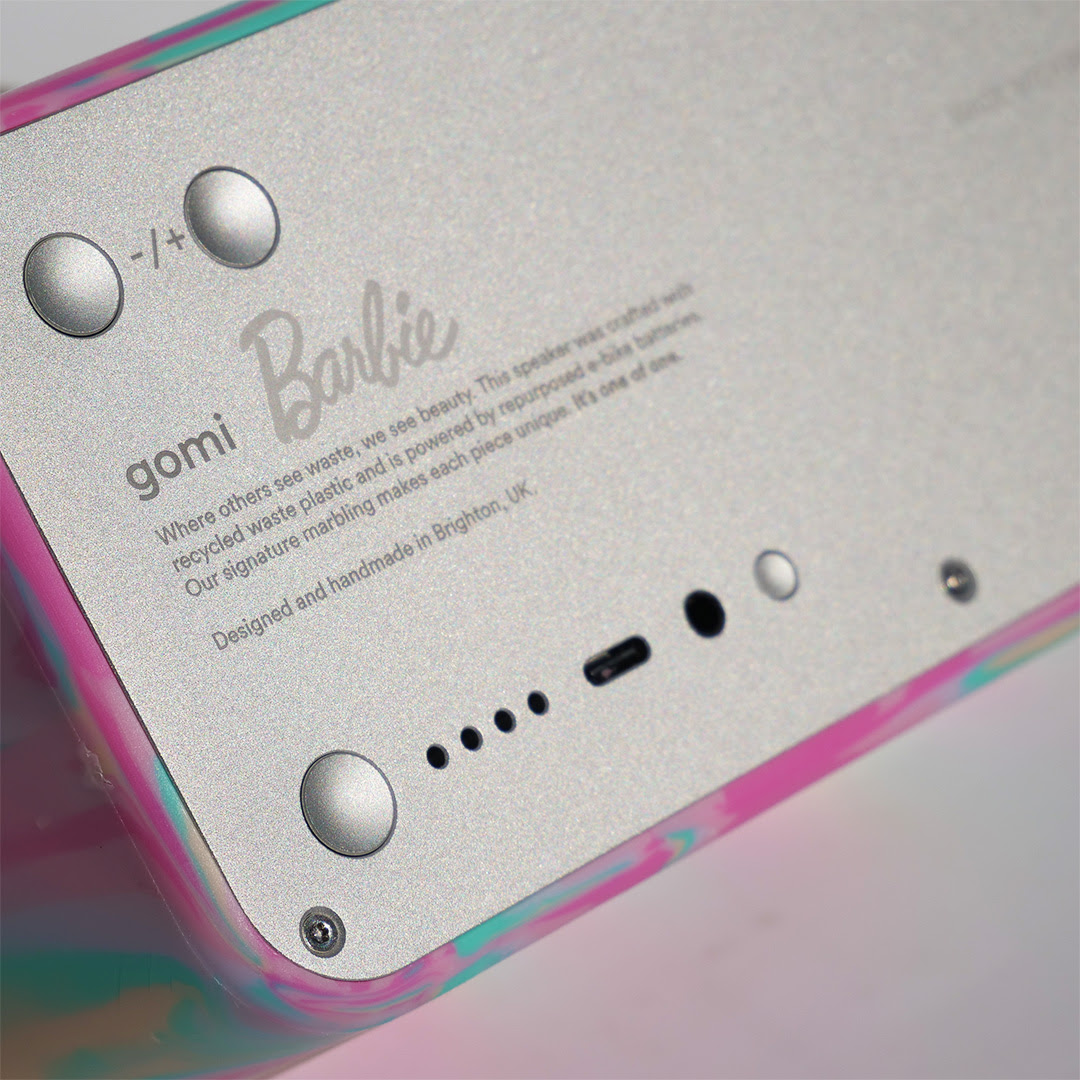
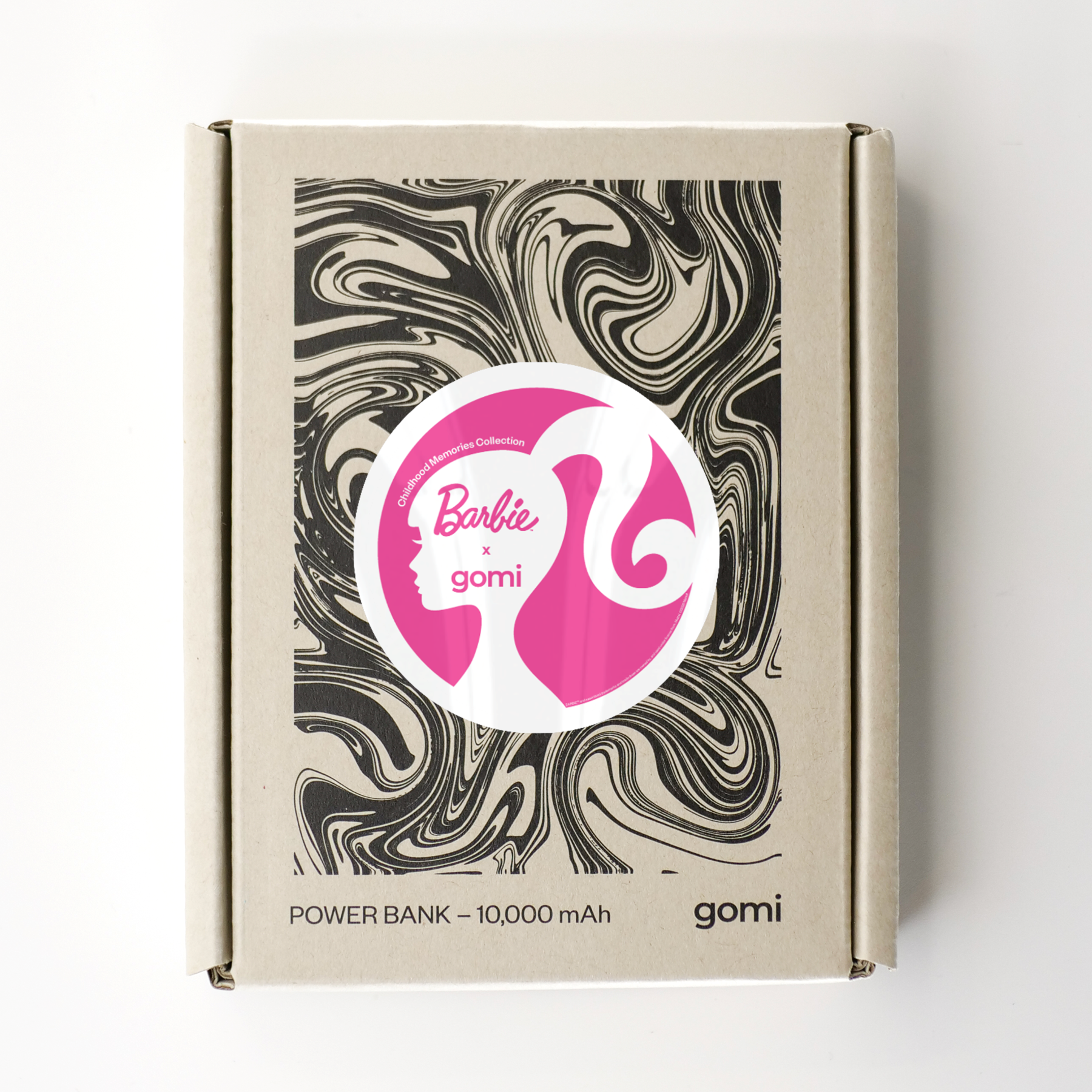
Now, University of Brighton graduate Tom Meades is giving unwanted dolls a very different second act – using materials from them to create sustainable tech through his Brighton-based design studio, gomi. Tom, who graduated from the University in 2017 with a degree in 3D Design and Craft, is co-founder and chief designer of Brighton-based sustainable design studio gomi. The studio has teamed up with Mattel’s Barbie™ brand to transform recovered materials from Barbie™ and Ken™ dolls and accessories into a limited-edition collection of portable Bluetooth speakers, power banks and tracker tags. Called the ‘Childhood Memories Collection’, the range puts one of the world’s best-known toys at the centre of a conversation about plastic waste, product longevity and what happens to our possessions when we no longer need them. Rather than simply recycling the plastic, gomi has incorporated the recovered Barbie™ materials into its distinctive marbled designs, alongside other hard-to-recycle plastic waste. Each product is handmade in Brighton, with every piece featuring a completely unique pattern. And the project doesn’t stop at the first generation of products. Gomi is inviting people to send in Barbie™ and Ken™ dolls and accessories they no longer use, creating a route for childhood toys to become part of a new product designed for a much longer life. Tom said: “Barbie™ has been such a big part of so many people’s childhoods, so there’s something really exciting about taking these familiar objects and giving them a completely different life. “Instead of seeing waste as something that has reached the end of its story, we’re asking what it could become next. We wanted to make that idea tangible – and create something people would genuinely want to keep.” The collection also challenges the idea that sustainable products need to look utilitarian. The recovered plastics create colourful, individual patterns across the products, turning their previous life as toys into part of their new identity. The speakers and power banks are powered by repurposed e-bike batteries, while gomi products are designed to be repairable for life. Components are secured using screws rather than glue, allowing parts to be replaced or repaired rather than requiring the whole product to be discarded. The ‘Childhood Memories Collection’ launched on 24 September in limited monthly drops, with each product handmade by gomi.
- Advertisement -


Gomi will also offer trade-in, repair and product upgrading services for the collection. This means products can be repaired or refreshed, while their components can ultimately be recovered and used again. For Tom, the collaboration brings together two very different parts of his career: the creativity and experimentation he developed while studying at the University of Brighton, and his work at gomi exploring how discarded materials can become desirable, functional products. Tom has continued his relationship with the University since graduating, returning to tutor students on the Product Design course and co-founding Creatives Run, a Brighton-based initiative connecting students and emerging creatives with established professionals. Tom said: “Brighton has such a strong creative community, and the University played a huge role in helping me develop my approach to design. “I’ve always been interested in taking something that would otherwise be considered waste and asking what it could become. This collaboration takes that idea somewhere completely new – taking a material associated with childhood and turning it into something designed for everyday life.”
By combining the emotional connection people have with Barbie™ with gomi’s approach to recovered materials, the ‘Childhood Memories Collection’ aims to show that waste does not necessarily have to mean the end of a product’s story. |
 The collaboration reflects a growing challenge for the design industry: how to make products that don’t just have a more sustainable beginning, but a longer and more circular life.