





















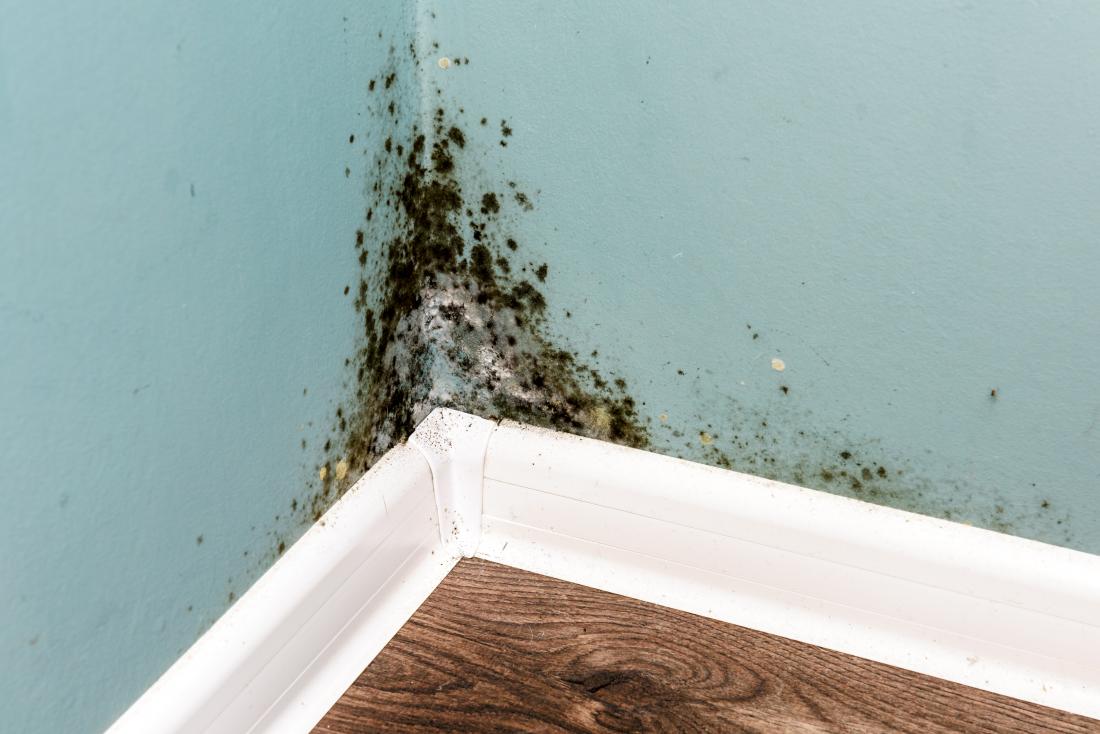


Homeowners affected by flooding have a lot on their plate, from throwing out ruined furniture to making insurance claims. But one of their biggest problems is mould.
Fail to properly dry out and clean your property, and you’re looking at a fast-spreading issue that gets worse over time.
ICE Cleaning Solutions provides a range of flood and water damage services, including mould remediation and damp odour removal. Its technicians can be on-site in an hour to remove all traces of the mould and make your property a safe, clean home again.
Read on to find out how mould grows after a flood, and what you can do about it.
Why does mould grow after a flood?
Mould is a type of fungi that grows in damp, and often dark, conditions. When the spores come in contact with water, they can quickly multiply.
As flood water picks up dirt, sewage, and other organic material, it brings lots of spores into your home and provides them with a food source. This makes flooded properties the perfect environment for mould growth.
It can start growing in as little as 24 hours, so if you can’t return home quickly to remove the water and start cleaning up the spores, it will thrive. These spores can also easily float through the air and grow on any surface if moisture and oxygen are present.
How to prevent mould after flooding
To stop mould growing and spreading, you need to dry out your home as quickly and thoroughly as possible.


First, you will need special pumps to remove the flood water. To select the right pump, you must know how much water will be pumped out and how quickly. You should bring in professionals to do this as they have the equipment and the expertise to use the pumps effectively.
To remove excess water, you should then use air conditioners, fans, and dehumidifiers to speed up the process. Again, professional cleaners who have the technology and expertise to do this intensively and rapidly should be brought in.
These cleaners can also clear any debris and mud from your home, as well as damaged goods which could be holding water.
How to get rid of mould after flooding
You should not attempt mould remediation yourself, especially if there is heavy growth or it has been impacted by dirty water. If you wipe surfaces with household products, you will only remove surface spores and not remedy the root of the issue.
If you are exposed for a long period of time without the right gear, like face masks, you could inhale spores and experience health issues.
Professional cleaners, like ICE Cleaning’s technicians, have the advanced cleaning products, specialist tools, and personal protective equipment to treat mould in your property.
They are accredited by Dewpoint Professional, a leading provider of mould remediation and mitigation training services, and are available nationwide, 24/7.
Find out more about their mould remediation services here.