



















Brighton & Hove City Council has been recognised for its leadership on circular economy in the UK government’s guidance for mayoral strategic authorities (MSAs).
The council has been praised for its work to embed circular principles within its services, including housing, planning, transport and across economic development, net zero and community projects in the wider city.
The guidance, published on the government website, says: “Brighton & Hove City Council is recognised as an established leader in advancing a place-based circular economy, embedding circular principles within its own services (procurement, planning, transport) and across sustainable economic development, net zero and community wellbeing.
“Through its 2025 to 2030 Circular Economy Routemap and Action Plan, the council is driving circular economy innovation by prioritising waste prevention, reuse, repair, skills development and circular business growth.
“The city is also recognised internationally for environmental leadership, achieving a Carbon Disclosure Project A‑rating for climate action in 2025 for the third consecutive year – demonstrating strong evidence‑based planning and ambitious decarbonisation pathways.”
Brighton & Hove is featured in the communities’ section of the new MSA guidance. This shows how the city is empowering communities through projects such as Climate for Communities and Food Use Places to embrace circular practices, build local markets, and connect people, businesses and institutions.
Councillor Tim Rowkins, Cabinet member for Net Zero and Environmental Services, said: “Brighton & Hove has established itself as a trailblazer in circular economy practices, designing out waste in products and keeping them in use for longer, strengthening local supply chains and finding ways to regenerate natural resources.
“Through our recently published routemap, we’ve developed an action plan that focuses on supporting the city and our own services to reduce environmental impact while creating sustainable growth and social value for residents, from lower bills to opportunities for new skills and jobs.
“For example, the Food Use Places project, which involves 16 partner organisations, redistributed 1,018 tonnes of surplus food in its first year. Food redistribution initiatives are increasingly linked to wider work on community food growing, nutrition and local supply chains, reinforcing a whole-system approach to circular food.
“Since September last year, our food waste collections have also diverted more than 1,000 tonnes of food for recycling into compost and soil improver to grow more food, completing the circle from field to fork and back to field.”


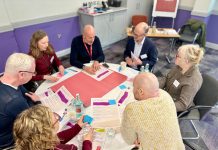
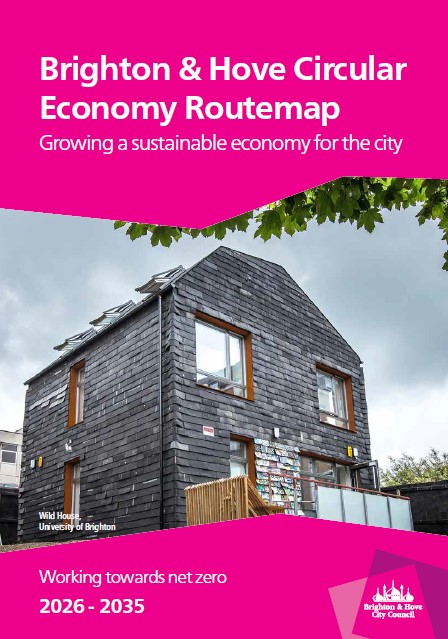
In January the council published a refreshed Circular Economy Routemap and Action Plan following collaboration with businesses, research institutions and communities.
This prioritises waste prevention, reuse, repair, skills development and circular business growth, and is supported by community-driven initiatives.
Brighton & Hove City Council has also been working with the UK government as a “pathfinder” authority on England’s first national Circular Economy Strategy – The Circular Economy Growth Plan.
The new guidance for MSAs will help them include circular economy principles and practices into local growth plans to make regional growth more resilient, sustainable and inclusive.
Local growth plans, put together by local leaders through MSAs, provide a regional framework to drive regional economic growth, create jobs and raise living standards.