






















There are films that entertain, and then there are films that stay with you — that make you question what you thought was possible. Don’t Be Prey is firmly the latter. Ninety minutes that feel both epic and intimate, this is one of the most compelling documentaries about the human spirit you are likely to see this year. Unmissable!!
The film is based on Ten years, Five continents and Seven of the world’s most brutal channel swims. What began in the English Channel became a decade-long odyssey through cold, darkness, and survival. Coach Tim Denyer and Australian ocean swimmer Mark Sowerby bring their 90-minute documentary to the screen — a raw and unflinching account of endurance, uncertainty, and what it truly takes to keep going when the ocean gives you every reason to stop.
The title comes from a pivotal piece of advice given to Mark Sowerby by a professor he encounters during his journey. The guidance is deceptively simple: if you find yourself in the water surrounded by sharks, don’t be prey. Keep your heart rate low. Keep your breathing steady. Don’t thrash around. Don’t panic. Because the moment fear takes over and you start flailing, it is over. You become exactly what they are hunting. Stay calm, conserve your energy, move deliberately, and they will leave you alone.
It is, of course, about far more than sharks.
That philosophy becomes the spine of the entire film — and of Mark’s life. A co-founder and CEO who walked away from a highly successful company, a wealthy man who found himself utterly adrift, struggling with suicidal thoughts, his sense of identity dissolved. He was, in every sense, in deep water. And the answer, it turns out, was to get into deeper water still.
The documentary traces Mark’s extraordinary journey across some of the world’s most feared open water crossings — the English Channel, the Catalina Channel off California, the fearsome Molokai Channel in Hawaii, and onwards to New Zealand and Japan. Each crossing is a savage physical test. Each one is a mental battle first.
The physical ordeals are staggering. Among the most harrowing are encounters with Lion’s Mane jellyfish — one of the most painful and dangerous species in the ocean, with tentacles that can reach several metres and deliver an agonising sting. The Molokai Channel also brings cookie-cutter sharks — a species that bites a clean, circular chunk of flesh from its victims, as several of Mark’s companions discover to their cost. Yet even here, Mark applies the professor’s wisdom. He reframes the pain as fuel driving him forward. When sharks circle, he slows his breathing, drops his heart rate, and moves through the water with quiet deliberation. Don’t be prey. Don’t give fear the wheel.
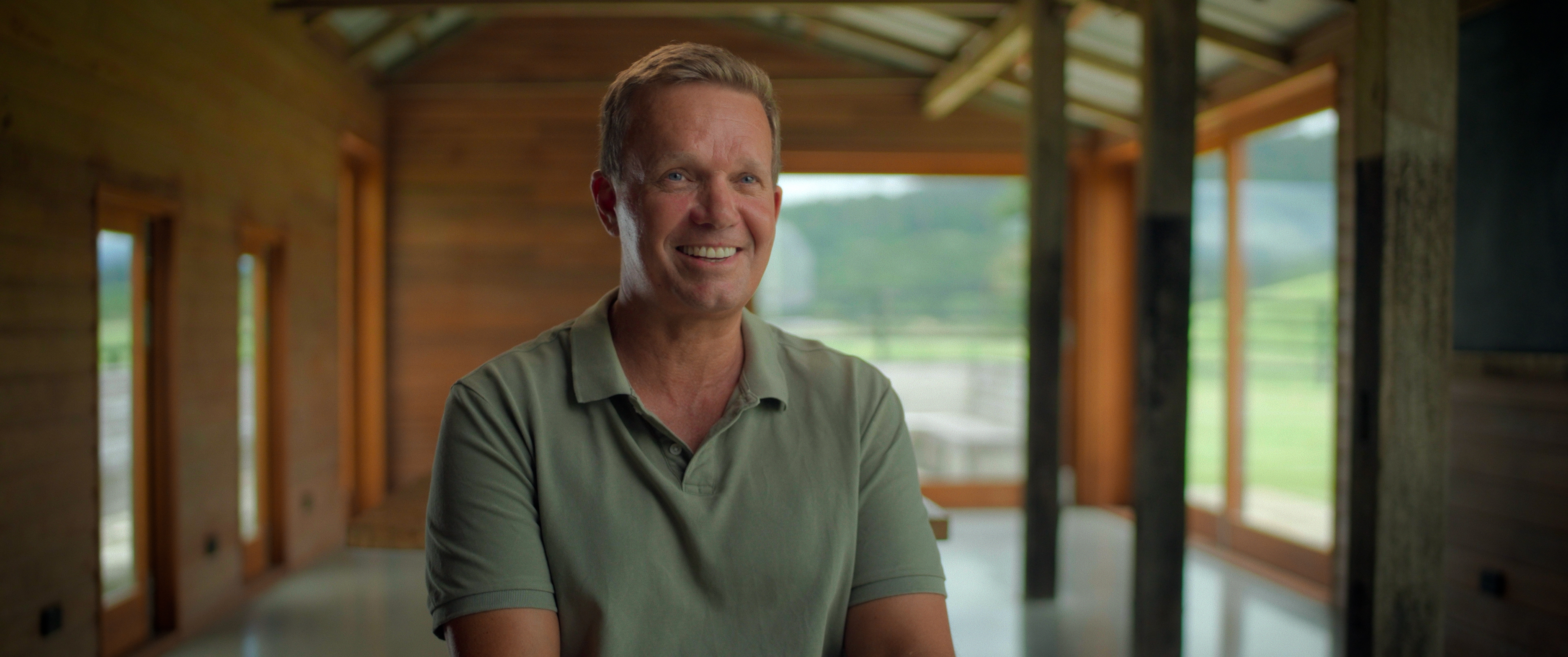
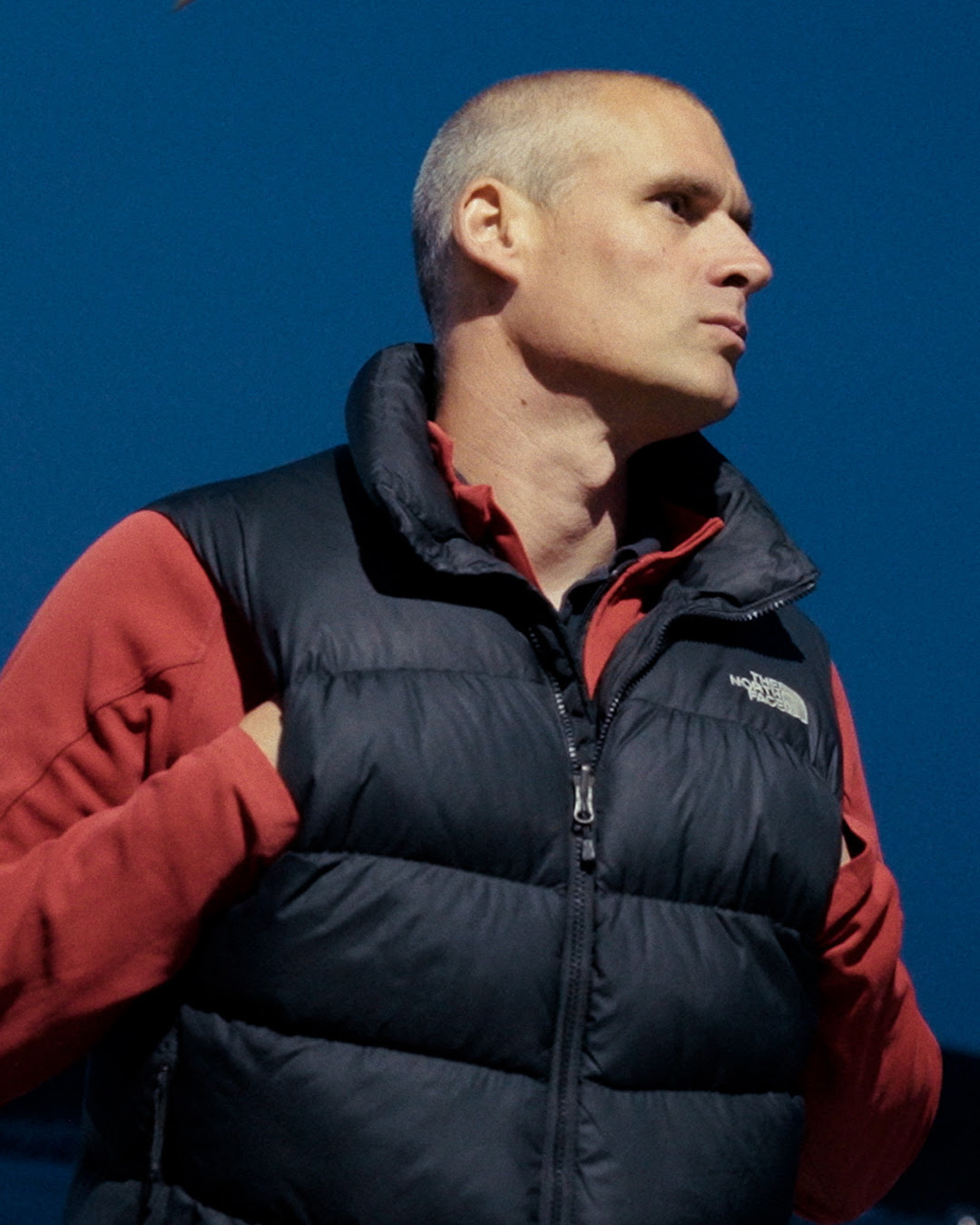 At the heart of the film is Mark’s relationship with his coach Tim( pictured) , who took over from Mark’s original Australian coach when he relocated to England. What develops between them is one of the most compelling sporting partnerships you will see on screen — built not on tactics alone, but on profound mutual trust and respect. Tim knows, above everything, that Mark will never give up. And Mark knows that Tim will never lead him somewhere he cannot survive. That trust is everything.


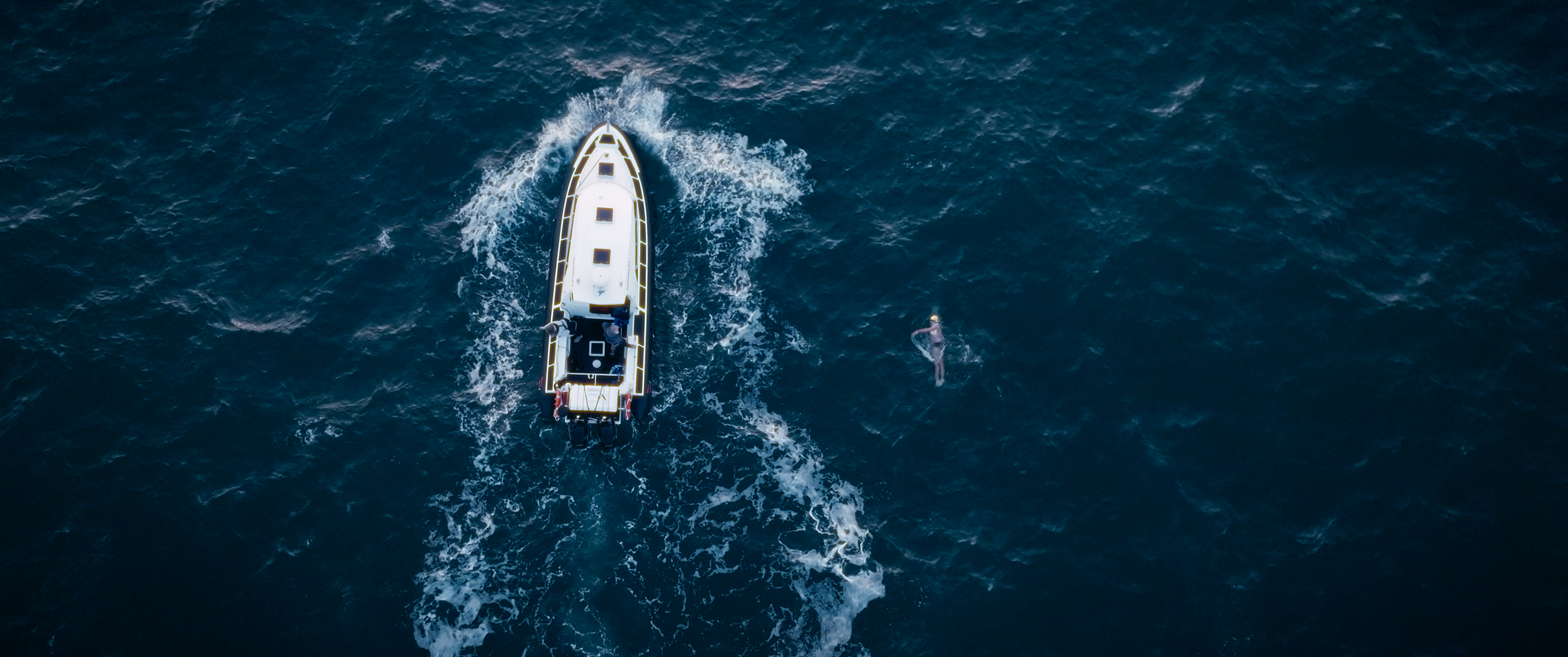
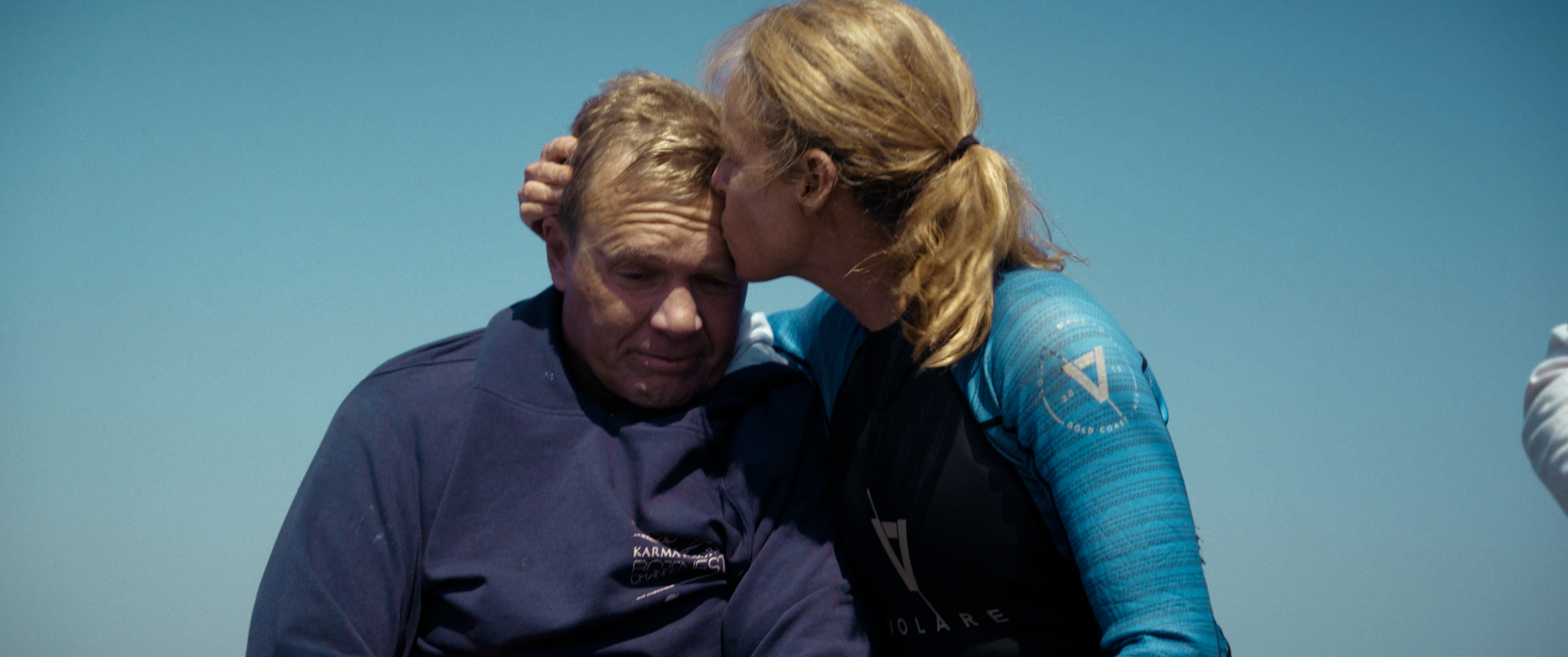 Equally central is the role of Mark’s wife, who is not a figure waiting anxiously at each swim on the boar where his Coach Tim advises cooly and calmly, both an active presence throughout the journey — a steadying, supportive force who travels this extraordinary road alongside him. Their relationship is portrayed as a genuinely stable and deeply loving partnership, and it provides one of the film’s most grounding emotional threads. Behind every great feat of individual endurance, the film quietly reminds us, there is usually someone else holding the rope. In thai case there was two – Tim and Mark’s wife.
 The film also captures remarkable friendships forged along the way — particularly a group of companions who swam with him at Gibraltar who swam the crossing alongside Mark.Later in Hawaii, several of these swimmers and life long are bitten by cookie-cutter sharks. The cookiecutter shark gets its name from the perfectly circular, cookie-cutter-shaped wounds it leaves on its prey. It doesn’t kill and eat whole animals like most sharks — instead it latches onto much larger creatures using its powerful suction-cup lips and razor-sharp teeth, then rotates its body to carve out a precise, round plug of flesh. The wound left behind looks exactly like something had pressed a cookie cutter into the skin.
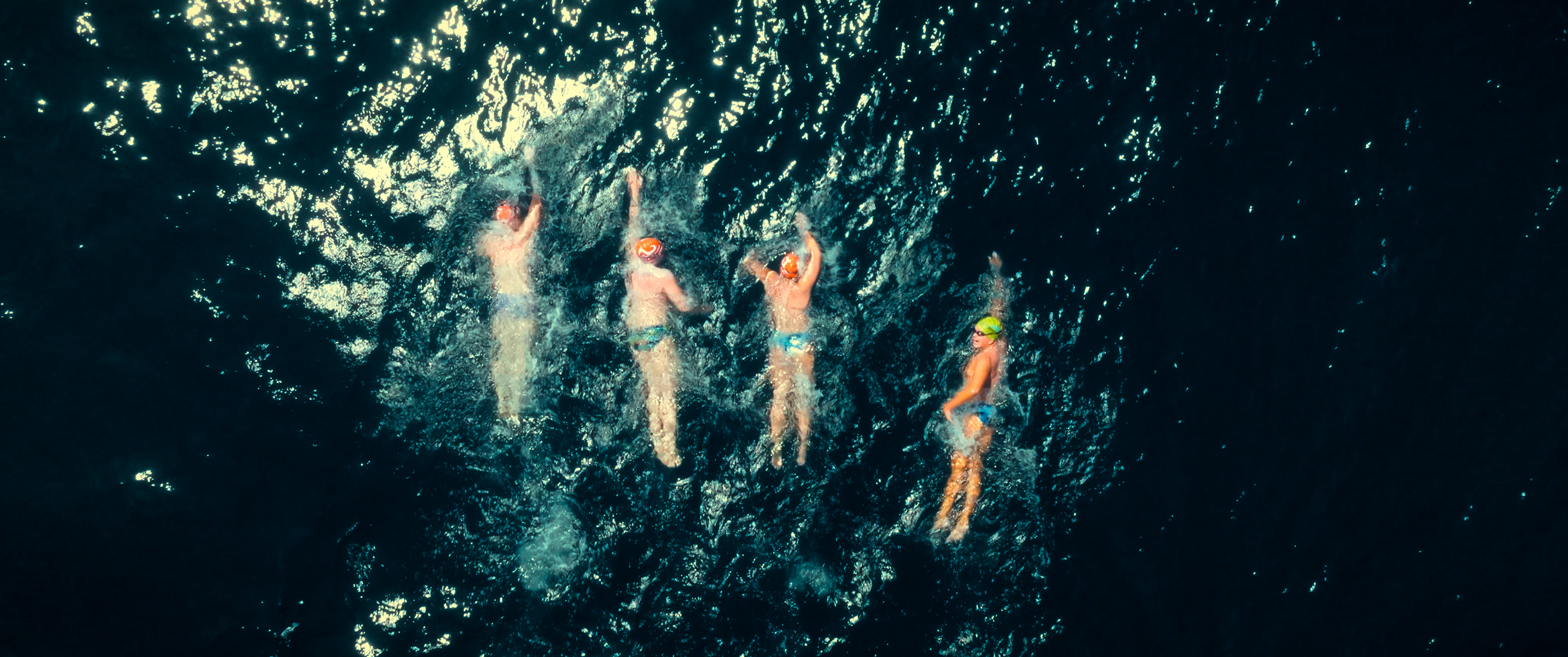
The bonds formed in those waters feel permanent, forged in a crucible that most of us will never experience.
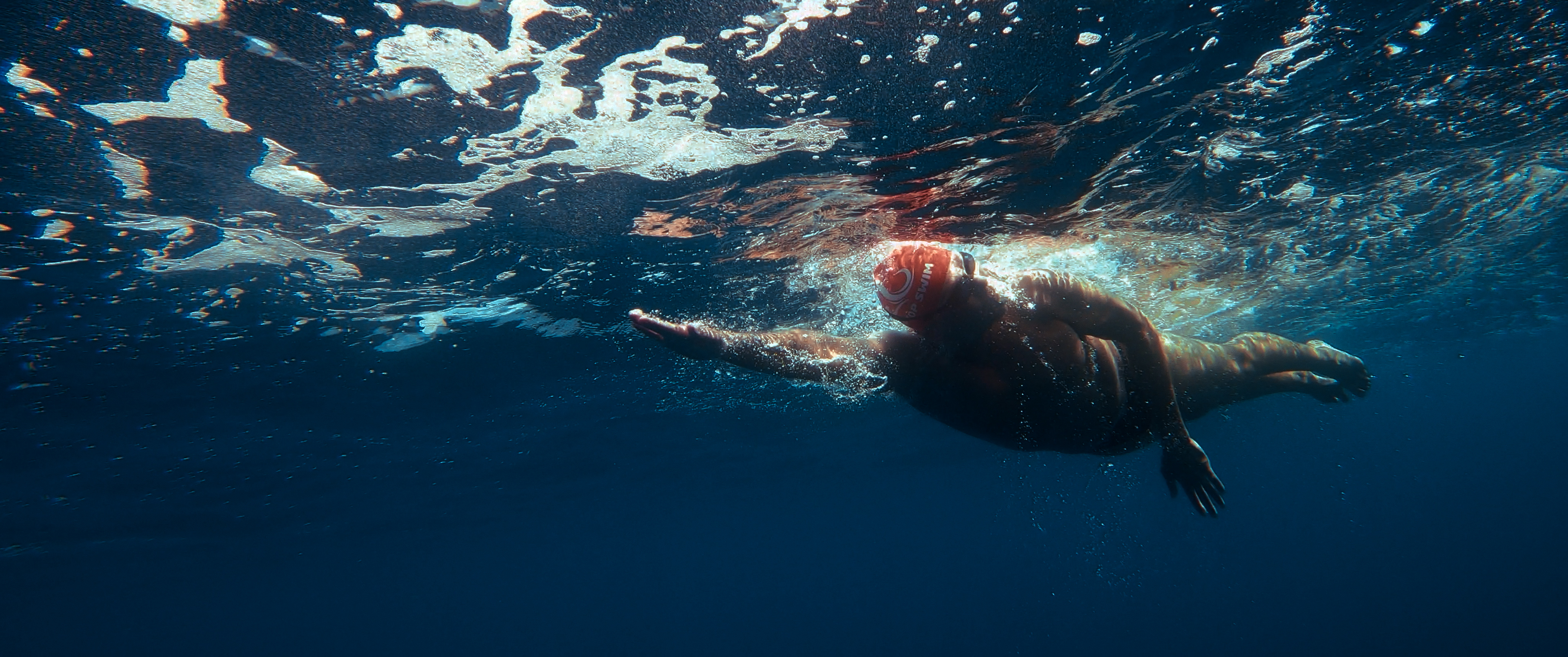
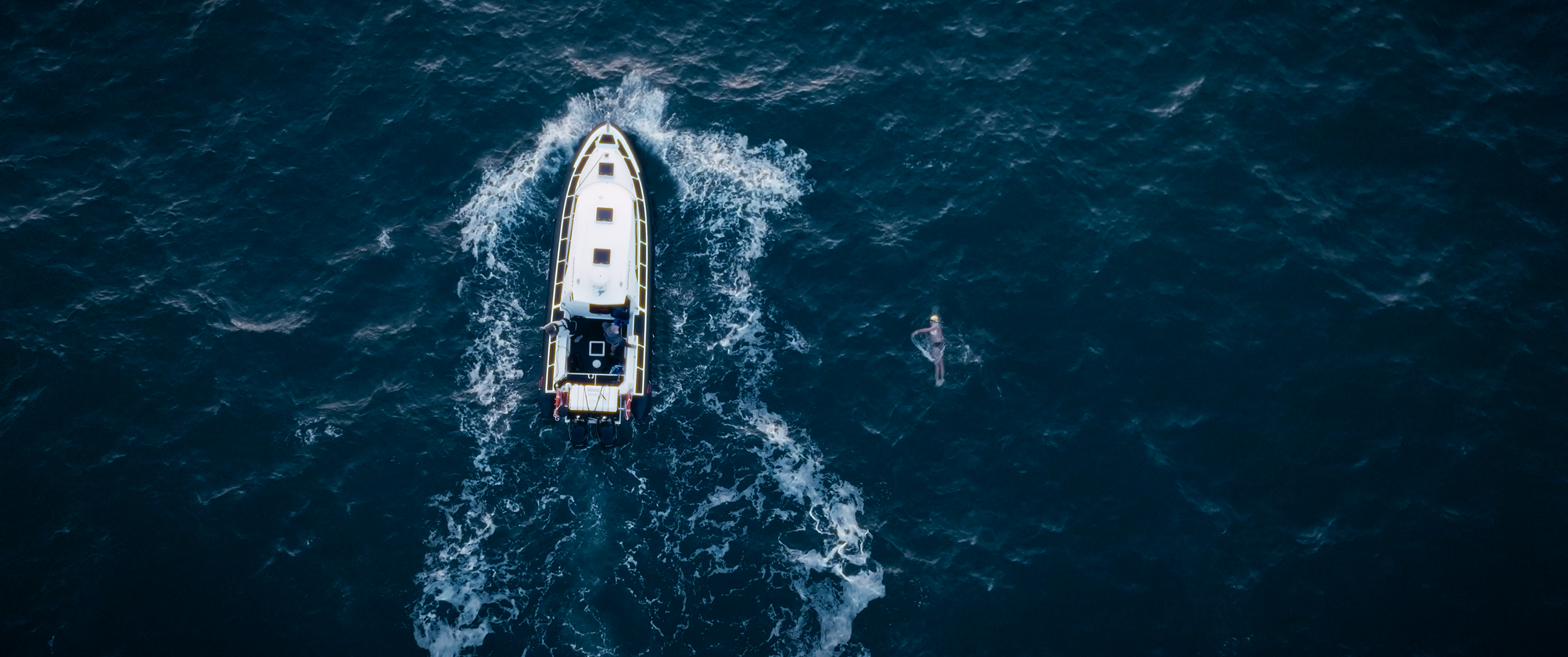
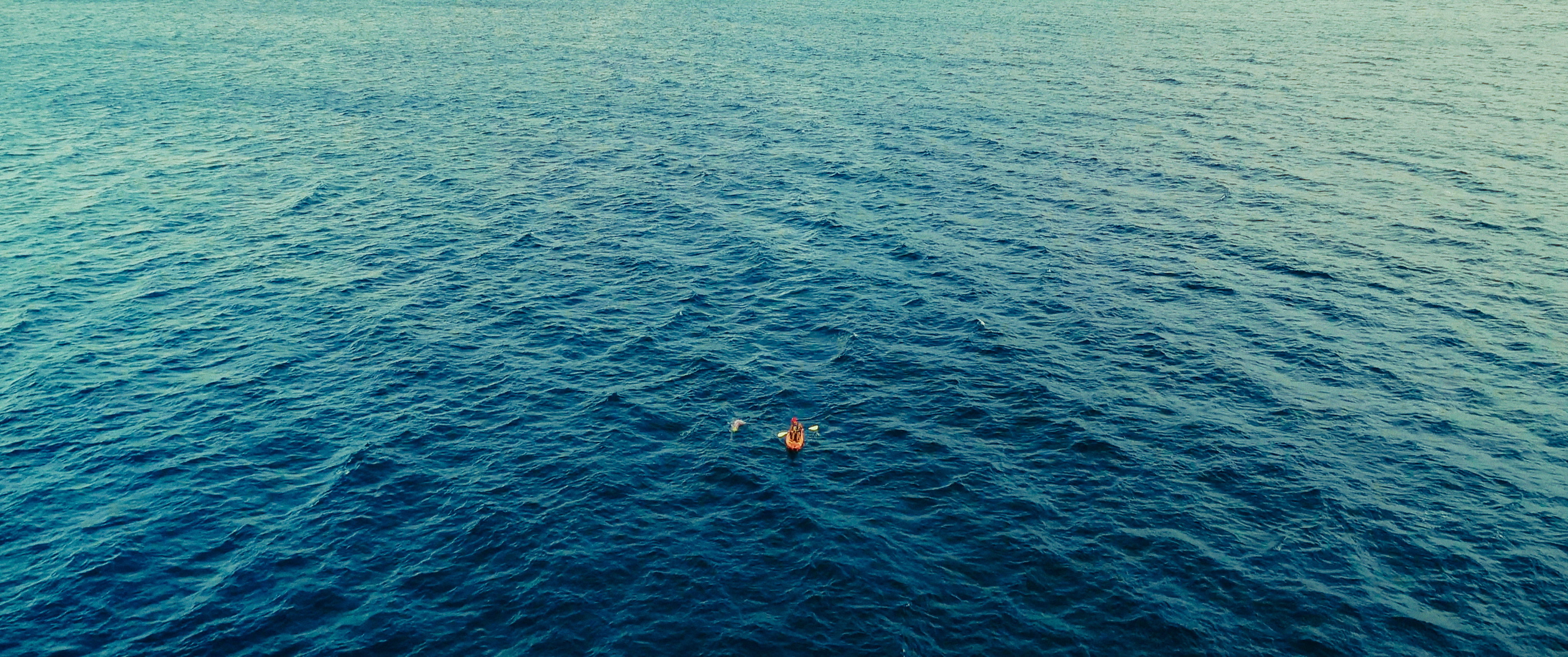
And then there is the cinematography — which deserves a review of its own. Don’t Be Prey is a visually stunning film. Underwater cameras capture Mark swimming in extraordinary clarity, the vast Pacific rendered in breathtaking, almost otherworldly detail around him. Drone footage soars high above the ocean, revealing the sheer scale of what he is attempting — a solitary figure in an immense, indifferent sea. At one extraordinary moment, the camera captures Mark swimming alongside the accompanying canoe but with no end sight to the vast pacific ocean and you cant help but feel how solitary it looks but at the same time utterly mesmerising. These are images that stay with you long after the credits roll. Being in the water 14 hours is one thing but swimming into the unknown with shark infested waters is another
But it is the metaphor that lingers longest. Every moment of adversity Mark faces in the ocean mirrors something he has faced on land. Keeping your nerve when everything around you is threatening. Turning pain into propellant. Saving your energy for what matters. Not thrashing. Not panicking. Just breathing, moving forward, and not being prey.
Don’t Be Prey is a film about the human spirit at its most tested and most triumphant. It is mesmerising, humbling, and deeply moving. See it on the biggest screen you can find.
An unmissable documentary. 5/5.