














Glyndebourne Gardens 2026: Biodiversity, Beauty and a Quiet Revolution in the Sussex Countryside
The Glyndebourne gardens have always been as much a part of the experience as the opera itself.
The Glyndebourne gardens are renowned for their stunning beauty and commitment to sustainability, making the Glyndebourne gardens an essential visit for any nature lover.
Set within the rolling hills of the South Downs National Park in East Sussex, the 12 acres of gardens at Glyndebourne have welcomed operagoers, singers and musicians since the very first Glyndebourne Festival in 1934. They are designed to be wandered through during long summer intervals — a counterpoint to the formality of the auditorium, and a reminder that the Sussex landscape is as central to Glyndebourne’s identity as any production on its stage.
In 2026, those gardens are quietly making news well beyond East Sussex. And this year, they’ve earned a place at the RHS Chelsea Flower Show.
This year, the Glyndebourne gardens are also gaining recognition for their unique contributions to biodiversity.
The Glyndebourne Gardens: What You’ll Find
The gardens span a series of distinct spaces, each with its own character.
Vast lawns give way to informal country house borders and a rose garden displaying both heritage and contemporary varieties — including the Glyndebourne Rose, developed by Harkness Roses nearly a decade ago. Wildflower meadows rich in pollinating plants run alongside two thriving beehives. A productive vegetable patch, a cut flower garden and a dedicated dye garden complete the picture.
Visitors to the Glyndebourne gardens can expect to see a variety of flora that enhances the overall experience.
That dye garden is where the story gets particularly interesting.
Plants grown at Glyndebourne — including woad, madder, tansy and goldenrod — are harvested and processed on site, then used by the Glyndebourne costume department to create natural dyes for productions. It is one of those details that quietly reveals the depth of Glyndebourne’s commitment to making things properly and sustainably.


The use of natural dyes from the Glyndebourne gardens highlights the innovative approaches taken by the estate.
Glyndebourne at RHS Chelsea Flower Show 2026
At the RHS Chelsea Flower Show, the Glyndebourne gardens showcased their creative use of locally sourced plants.
This year, Glyndebourne supplied dye plants for The RHS and The King’s Foundation Curious Garden at the RHS Chelsea Flower Show 2026, running 19–23 May.
The garden was designed by horticulturist, author and television presenter Frances Tophill, whose aim was to inspire people to embrace gardening and appreciate the role plants play in health, community and the environment. In 2025, Tophill visited Glyndebourne to meet gardener Andrea Benson and dye room supervisor Jenny Mercer to understand how the plants are grown, processed and ultimately transformed into colour on stage.
The plants supplied include Alcea nigra, Rubia tinctorum, Coreopsis tinctoria and Persicaria tinctoria — a selection that reflects both the breadth of Glyndebourne’s dye garden and its growing reputation as a serious horticultural enterprise.

Thirty Years of Stewardship
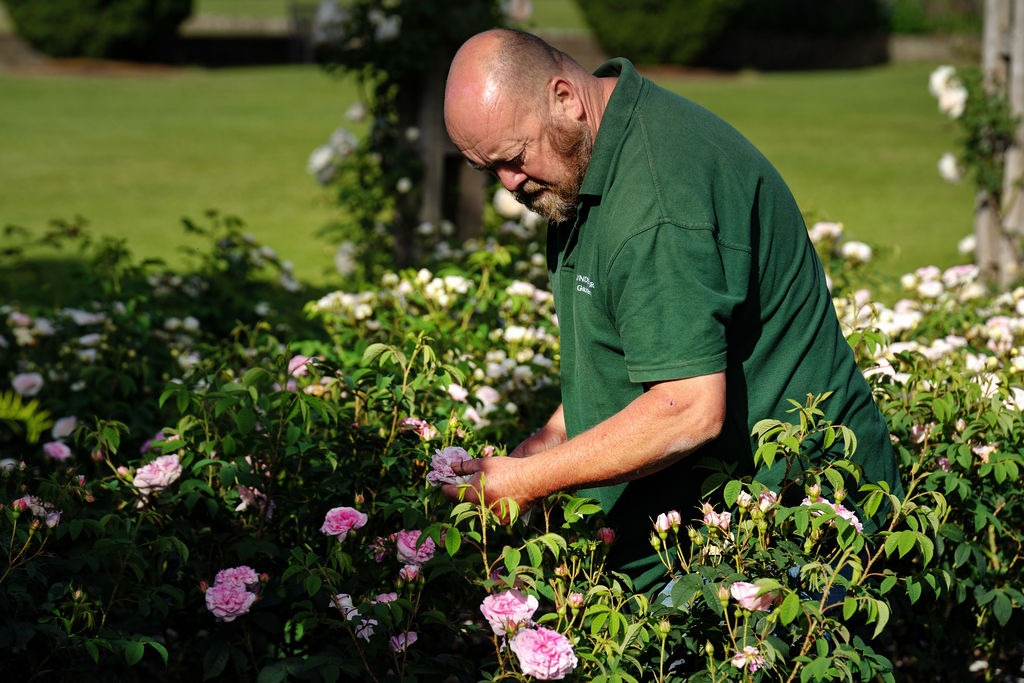
Behind the gardens is Head Gardener Kevin Martin, who has tended the Glyndebourne estate for 30 years. Working closely with Executive Chairman Gus Christie, Martin has overseen a gradual but significant shift in how the gardens are managed — one shaped increasingly by ecology as much as aesthetics.
“Over the last decade, we have witnessed how the gardens are changing and adapting to climate change,” Martin has said. “It has made us think carefully about how to create an environment that our audience members love, while considering what we plant, how we plant, and what more we can do to support wildlife.”
The results are visible across the estate. A new wildlife corridor — a stretch of long grass along the fence line beside the lake — provides habitat for orchids including Early Purple, Pyramidal, Twayblade and Bee varieties. Twelve new nesting boxes have been installed for small birds, owls and bats. Log and brush piles across the site create habitats for amphibians and reptiles.
The lake itself is being carefully rebalanced: large carp, which have dominated the water and consumed smaller fish and tadpoles, are being removed and replaced with sticklebacks, with the aim of encouraging perch, roach, frogs, newts, dragonflies and mayflies to return.
The initiatives at Glyndebourne gardens reflect a dedication to nurturing the surrounding ecology.
Sustainability in Numbers
The scale of Glyndebourne’s environmental commitment becomes clearer in the detail:
-
- 2026 marks the 10th anniversary of the zero-pesticide policy across the gardens
This commitment is evident throughout the Glyndebourne gardens, further enhancing their appeal.
-
- 75% of plants are now grown on site from seed or cuttings
- On-site compost production has eliminated the need to purchase approximately 40 tonnes of compost annually
Such practices not only benefit the Glyndebourne gardens but also contribute to the local environment.
-
- 100% of garden wood waste is chipped and reused as mulch — no burning
- Approximately 50 trees are planted annually, including climate-resilient species such as Ginkgo biloba, Prunus avium and Acer platanoides
With each season, the Glyndebourne gardens evolve, showcasing new life and growth.
- All cut flowers used across Glyndebourne’s restaurants and events are grown on site
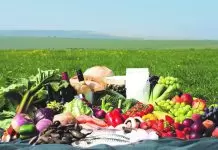
- Herbs, edible flowers and fruits from the gardens are used by the kitchen teams throughout the Festival season
During 2026, Glyndebourne will also introduce regular biodiversity monitoring across the estate — a significant step towards understanding and actively supporting its natural ecosystems over time.
Regular monitoring of the Glyndebourne gardens is set to enhance our understanding of plant health.

Glyndebourne Festival 2026
The Glyndebourne Festival 2026 runs from 21 May to 30 August, presenting more than 70 world-class opera performances across 15 weeks in its 1,250-seat opera house. The Festival remains one of the most distinctive cultural events in England — and one of the most beautiful days out in Sussex.
The festival’s success reflects the intrinsic connection between the opera and the Glyndebourne gardens.
Glyndebourne also offers subsidised ticket prices for schools, families and under-30s and under-40s, as well as family open days, art exhibitions and an autumn season of opera and concerts.
For those planning a visit from Brighton, Glyndebourne is approximately 45 minutes by car through the South Downs — and very much worth the journey. Details and tickets at glyndebourne.com.

Glyndebourne is located near Lewes, East Sussex.
See also: →Things to Do in Brighton| Events Brighton | Arts & Culture Brighton | Food & Drink in Brighton |Wellness in Brighton| Places to Visit Near Brighton | The Best Hotels | Brighton Journal Stays | Contact|