











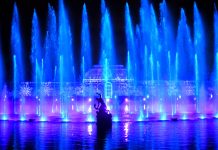






The festival industry has started showing significant promise after many organisers, including Glastonbury, shut down due to the pandemic. With the massive reduction of coronavirus cases worldwide, festivals have begun opening their doors, and the excitement is gradually crawling in. The most recent is the Glastonbury Festival which couldn’t wait to share its 50th birthday with patrons. If you’re itching to rekindle your love for the outdoor festival experience, here is a quick overview of how the ever-evolving Glastonbury compares to other festivals.
Donauinselfest
Vienna is an arts and cultural hotspot. It has been home to legends like Mozart. Unsurprisingly, the city hosts one of the biggest festivals in the world. Donauinselfest is similar to Glastonbury and other worldwide renowned festivals in many ways. Organisers invest a great deal of planning and resources to put up a show of these kinds.
Betway recently investigated the processes and challenges in building Glastonbury. In conversation with Sally Hallow, showrunner for Glastonbury’s Croissant Neuf, the festival’s “planning is almost an all year round job”. Donauinselfest, which serves about eight to ten times Glastonbury’s audience, follows a similar planning cycle.
Mawazine Festival
Mawazine Festival in Morocco draws over two million people annually. It started as a project to promote Morocco’s arts and cultural scene. However, it’s an open-door policy to talents from different countries, just like Glastonbury Festival.
Since its inception, the festival has hosted global talents like Justin Timberlake and Christina Aguilera. The Mawazine Festival also prides itself as the country’s topmost stage for homegrown performers to showcase their art.
Electric Daisy Carnival
The Electric Daisy Carnival in Las Vegas is an electronic dance music festival. Patrons can get all-access day tickets for $350. Compared to Glastonbury and Coachella ticket prices, it’s a pretty standard price. It boasts of a lineup as stellar as Glastonbury’s star-studded list, including 12th Planet, Acid Twins, and Alix Perez.
Roskilde Festival


Once a year, the small Danish town of Roskilde turns into the fourth largest city in Denmark: 130,000 people take part in the Roskilde Festival. 30,000 of them as “volunteers”. The Roskilde Festival is a non-profit festival, all proceeds are donated here and the festival is largely organised by volunteers, who ensure the community spirit at the festival. This includes the people behind the bars, the security staff at the entrance gates, and the bookers who take care of the program. All this work is to ensure that 100,000 music fans can see bands like The Cure, Cardi B, Travis Scott or Robyn.
Coachella
It’s hard to exclude Coachella from the world’s biggest festivals list. Unlike Glastonbury in the UK, which began as early as 1970, Coachella is relatively younger than Glastonbury. It started in 1999 but has found its way into the hearts of nearly a million patrons who visit the festival annually. In 2017, the festival earned 114 million dollars from ticket sales alone and has steadily risen since its inception.
Generally, the outdoor life which was threatened by the pandemic is over. And you might as well start making your list of festivals you can’t miss. If you’re reading this in July, you might have missed Glastonbury and a few others before it. But brace yourself; there are several more to come.