





















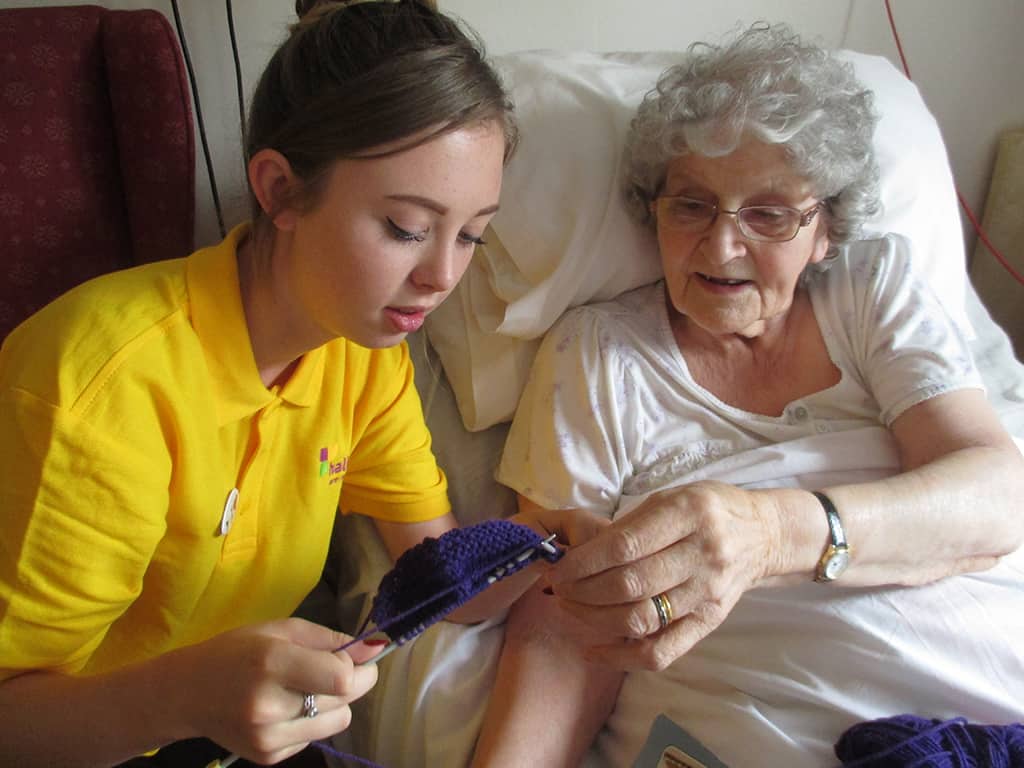


If you are responsible for the care of one of your loved ones, you know how difficult the needed conversations can be. Besides that, the options can feel overwhelming and whether the need is rising steadily or has happened suddenly, there are many emotional decisions to be made. Should you arrange for Live In Care? Or would home care be a better option? If you need a brief overview of the options, read on to give you a small sample of the information you need to navigate this difficult time and make the right choice for your loved one.
Home/Domiciliary Care
Having a paid carer to come into the home and give the help that a loved one needs is beneficial to all parties. As the one responsible for the care, you will have the peace of mind knowing that the person you love is being cleaned and fed, being assisted in living a relatively independent life. From help around the house to dealing with medication, a home care assistant will be there to meet the needs of the individual. Not only can they provide help around the home, but they can also be of assistance in other areas of life. If the dog needs a walk, a shopping trip needs to be done or even if there’s a doctor’s appointment to get to, a paid carer can help your loved one with all these everyday tasks. The cost of hiring help at home depends on the area you live in, but the average in the UK is around £20 per hour.
Advancements in technology have brought great changes and improvements across the care industry, especially to home care. You can monitor and take control of the care process by using the provided website to keep an eye on the care reports left by the carer. You can check on the day-to-day wellbeing of your loved one which can be especially helpful when dealing with the devastating effects of dementia. By having a record of the persons behaviour, you can keep on top of the symptoms and therefore be able to spot changes and reduce dangers as their illness progresses.
Live-In Care
Another option when helping your loved one to avoid a care home and maintain their independence is that of live-in care. It’s similar to domiciliary care in that the goal is to help the individual to live in their own home where they feel comfortable – the main difference is in the amount of time the carer spends at the home. As the name suggest, live-in care is best suited for ones who need full time care and short visits throughout the day are not enough to support the person. Many people go for this option when circumstances and finances allow, as it removed the discomfort and confusion that comes when a person is moved into a care home.
There are various stages in acquiring live-in care. A care assessment is required to ascertain the needs of the individual and there may be changes to be made in the home to accommodate for a carer. They will need a safe and comfortable place to stay to give the high standard of care you and your loved one deserve. As routine is such an important thing in the care for elderly and vulnerable ones, a live-in carer can help with achieving this, providing regular and consistent support in comfortable and familiar surroundings.
If you are seeing signs that your loved needs more assistance to stay independent in their own home, it’s time to address the situation. Approach your loved one in a kind and compassionate way and be sure to have the opinions and cooperation of the other responsible family members too. Take into consideration the needs of your loved one, the quality of the care provider and the budget you must stay within. By using the resources available, you can decide what’s best for you and more importantly for your dear loved one.