



















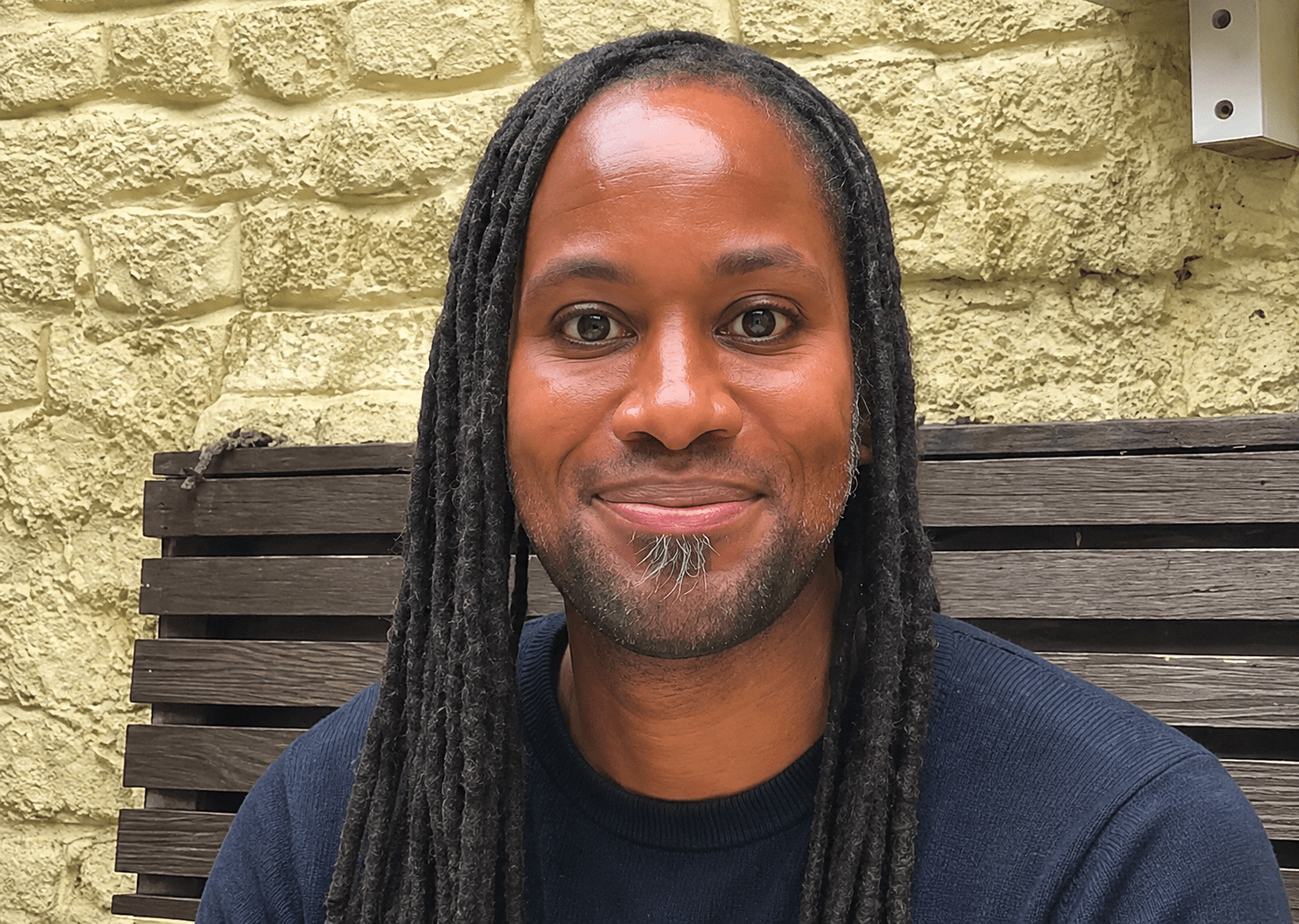


Jason Arday was found dead at his home in south London on Friday(yesterday)night . He was 41. The Metropolitan Police have described the death as unexpected but not suspicious. He had resigned from the University of Cambridge a week earlier.His family have spoken about years of public abuse. By Nick Staunton
Who He Was
Arday became Cambridge’s youngest Black professor in 2023, appointed to a chair in the sociology of education at 37.
The biography that made him a public figure was genuinely remarkable. He was diagnosed with autism as a child, did not speak until he was 11 and could not read or write until he was 18. He went on to a doctorate, a professorship at Glasgow, and then to Cambridge. His research was on racial inequality in higher education, and his own life was the argument for it.
That story was told and retold, by universities and by newspapers, because it was a good story and because institutions wanted it to be true about themselves.
What Happened
Over recent months Arday faced allegations of plagiarism in parts of his doctoral thesis, and questions about aspects of his account of his background and qualifications. The claims accumulated in the press and online over a period of weeks. He resigned from Cambridge on 7 August.
None of it was ever adjudicated. There was no completed university investigation, no finding, no hearing at which he answered. The allegations were serious and they were not tested, and after Friday they cannot be. However he was not the first – Jason Arday’s plagiarism was front-page story, but not Johann Hari’s? Or Dr William O’Reilly’s?
The questions that need answering are about proportion. Why did an unresolved academic misconduct case occupy that much national attention? Why did it move faster than any process capable of testing it? And would the same allegations, against a different professor, have travelled as far?
That last question is uncomfortable and it is not rhetorical. Nobody can answer it from outside. But a man who was promoted as a symbol was then attacked as one, and institutions that were happy with the first part were absent for the second.
The Part Worth Sitting With
What is documented is the shape of what happened to him.
A man was elevated by institutions that found his story useful, then accused, then pursued in public for weeks, then resigned, then died. His family say the abuse was sustained and that it took a toll.


Whatever the truth of the allegations, that sequence should trouble anyone in publishing. There is a difference between scrutiny and a pile-on, and the difference is usually visible only afterwards. Scrutiny asks a question and waits for the answer. A pile-on has already decided, and its participants are competing for position rather than information.
Universities are not exempt from this either. Cambridge and Glasgow both benefited from the story before it became inconvenient, and an institution that promotes a person as a symbol has some responsibility when the symbol comes under attack. Neither appears to have completed a process that would have given him the chance to answer.
Where I Land
My view is that the questions raised about Arday’s work were legitimate and the way they were pursued was not, and that both things being true is what makes this difficult.
Academic integrity matters. If a thesis contains plagiarism it should be investigated, and universities have processes for exactly that. What those processes provide, and what a public accumulation of allegations does not, is a right to reply and a finding at the end.
He did not get either. He resigned into an unfinished argument and died a week later, and the effect is that nothing is now resolved for anyone — not for him, not for his family, not for the institutions, and not for the people who raised the concerns in good faith.
There is a version of this that ends with an investigation, a finding and a proportionate consequence. We did not get that version. We got a man dead at 41 and a set of allegations that will now be repeated for ever without ever being tested.
If you are struggling, the Samaritans can be reached free on 116 123, at any hour, from any phone in the UK and Ireland.