























These are anxiety-inducing times to say the least.
Every day, news centred around the Covid-19 virus floods in to us via every TV channel, radio station and social media platform. Whether it’s news of more confirmed cases, deaths, shortages of healthcare equipment or action being taken in other countries, you would have to be super-humanly resilient to not feel at least slightly overwhelmed.
On top of this, there is a great deal of uncertainty regarding what lies ahead, as well as a lot of unhelpful, inaccurate ‘reportage’ doing the rounds on social media.
During a crisis such as this, it is vitally important that we are all doing what we can to look after our mental health, especially if we find ourselves having to stay indoors for a significant period of time. Here is our advice for looking after yourself if you’re having to self-isolate…
1. Limit your intake of media coverage
Whilst it is important to keep up to date, too much upsetting media coverage is likely increase worry and agitation. Ask yourself exactly what, and how much, you need to know. Try to avoid scrolling through the endless barrage of stories on social media covering every possible aspect of the crisis.
Perhaps find one trustworthy source of information for an end of day update on any developments, like the WHO or the NHS. These organisations will provide you with the facts you need to accurately determine your risks, so that you are able to take any necessary precautions.
2. Eat well
Eating a healthy, balanced diet has a big impact on mental well-being. The Mental Health Foundation says that good quality nutrition “plays an important role in the prevention and management of diagnosed mental health problems including depression, anxiety and schizophrenia.”
If you’re in self-isolation, ask a friend or family member to do a food shop for you and leave it on your doorstep. If that’s not possible, the Brighton Covid-19 Mutual Aid Group can link you up with someone in your area who can help.


A surge in panic-buying has left supermarkets running low on some essentials, but ask your helper to get whatever they can, then look up some healthy recipes to make.
3. Find creative ways to exercise at home
Again, the link between exercise and mental well-being is well documented.
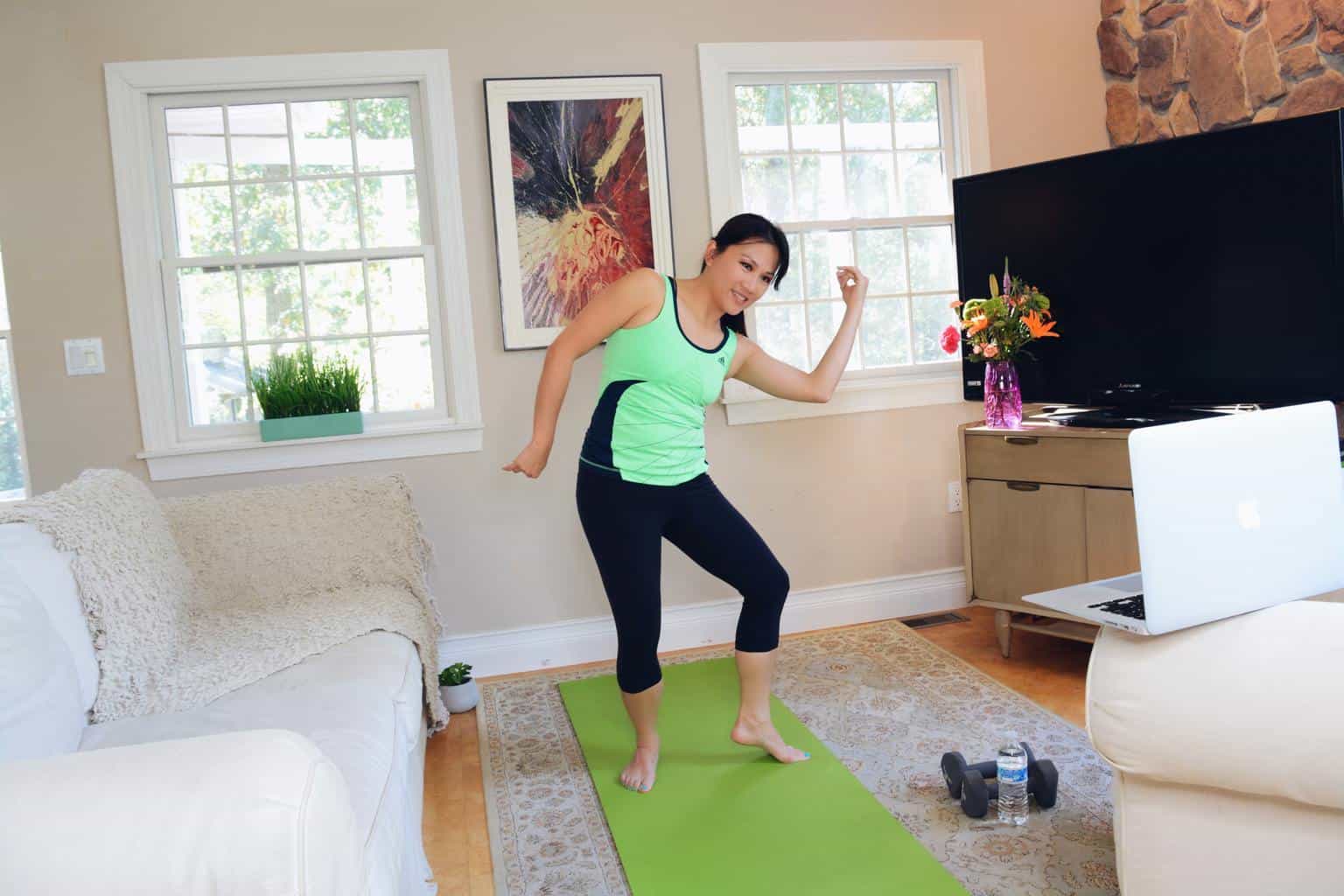
Whilst exercising in your house may be more difficult, it’s definitely not impossible. ‘The Body Coach’, Joe Wicks, has loads of free HIIT workouts on his YouTube page that are all designed to be done at home.
These workouts are quick, low-maintenance and burn a lot of calories. For the vast majority of them, you don’t need any special equipment at all.
4. Online yoga and meditation classes
Companies like Glo are currently offering free trials on their online yoga courses. For 15 days, you can enjoy unlimited access to all their classes without paying anything.
Glo‘s classes are designed to be done in your living room, and cater for all levels of experience. They also offer various meditation classes.
Yoga increases body awareness, relieves stress and reduces muscle tension, so it is a great way to find some calm if the news is making you feel worried.
5. Do a mini-mindfulness activity
Whilst not providing a full solution, spending as little as 15 minutes doing a mindful activity could help reduce stress and anxiety levels. By focusing our attention on the present moment, mindfulness counteracts worrying.
For a short, relaxing break, why not try switching the news off and doing some mindful colouring? If you can’t get out to buy a book, there are plenty of places online where you can print sheets for free.
If you don’t fancy colouring, you could try a mindful listening exercise, which involves closing your eyes and listening really closely to a piece of music you’ve never heard before.
For something more structured, the app Headspace offers fantastic guided meditations, including short mindful activities or you can check out a good guide or blog
6. Virtual learning
Now is the perfect time to take up that hobby you’ve been meaning to for years. Whether it’s learning an instrument, a language or something arty, plenty of local tutors are offering virtual lessons via Skype, FaceTime or Zoom.
By doing this, you not only get to learn a new skill, but will also be helping self-employed people keep their businesses going. Why not look up a tutor for the skill you’d like to learn and get in contact? You could come out the other side of this a virtuoso!
7. Keep talking
Make sure you keep in touch with loved ones via phone and email. Keep talking to each other about how you’re feeling, share stories about how you’ve been coping, and maybe make some plans for when life returns to normal.
Make use of apps like FaceTime and Skype that let you speak face-to-face.
8. Stick to your coping plan, and seek help if you need it
While the ideas listed above may help reduce general levels of stress and anxiety, we know that such activities only go so far for people with diagnosed mental health conditions.
If you suffer with a mental health condition, it is going to be important to be prepared.
Seek advice on the phone from your healthcare provider about how you can best look after yourself. Make sure you have a good supply of medication if you take any. Perhaps order extra just so you’re covered. If you go to therapy, find out if you might be able to make alternative arrangements with your therapist, like speaking on the phone rather than in person.
Draw on any techniques and skills that you’ve learnt in the past that help you cope during challenging times.
For more information, visit the NHS website.
Featured image: © Pexels.






[…] distracted by engaging in some of the activities we’ve suggested above. Check out our article Looking after your mental health whilst in self-isolation for more tips. Your mental health is of the utmost importance during this […]