





















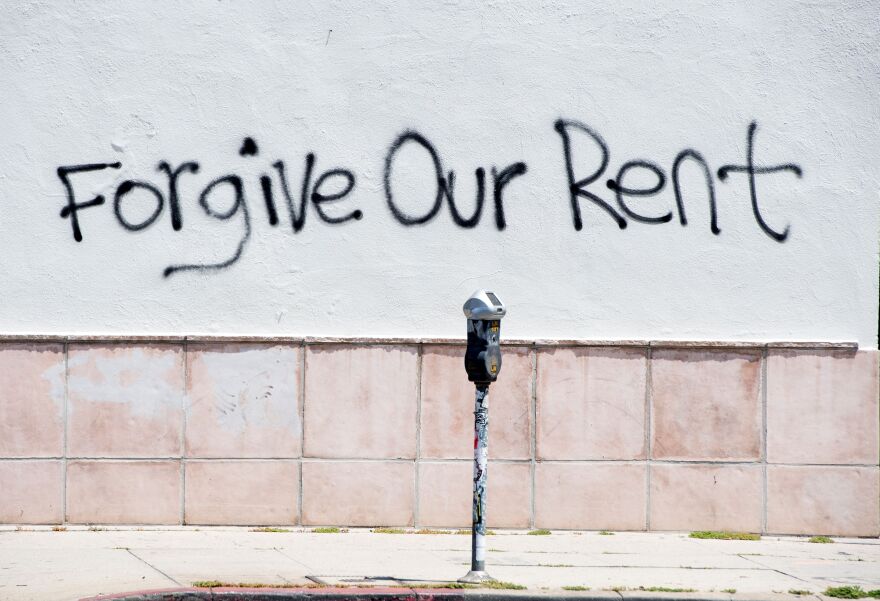


The biggest shake-up of the private rented sector in over 30 years came into force on Friday, and Brighton is one of the cities it will change most. Around a third of households in Brighton & Hove rent privately — far above the national average of one in five — and the average monthly rent has just hit £1,826, well above the UK figure of £1,377. Whether you’re a tenant or a landlord, here’s what actually changed on 1 May 2026, written in plain English.
No more no-fault evictions
The most important change is the abolition of Section 21. Until last week, a Brighton landlord could ask a tenant to leave without giving any reason at all, simply by serving two months’ notice. That is now illegal. To regain possession, a landlord must point to a specific legal ground — serious rent arrears, anti-social behaviour, intention to sell or move back in, and a handful of others. Each ground has to be evidenced and the procedure followed properly. For renters who have spent years worrying about losing their home with no warning, this is the most consequential single change.
Rolling tenancies replace fixed terms
All assured shorthold tenancies — the standard rental contract for decades — automatically converted to “assured periodic tenancies” on 1 May. There are no more six- or twelve-month fixed terms locking either party in. Tenants can leave whenever they like with two months’ written notice. Landlords can only ask them to leave using the legal grounds above.
Rent rises, bidding wars and upfront rent
Rent can now only be increased once every twelve months, with at least two months’ notice using the new official Form 4A. Tenants can challenge increases at the First-tier Tribunal if they think they’re above market rate. Landlords can no longer accept offers above the advertised rent — particularly significant in Brighton, where bidding wars on one- and two-bedroom flats have been routine. And on new tenancies, no more than one month’s rent can be requested in advance.
The 31 May deadline for landlords
Every Brighton landlord with an existing tenancy must give their tenants the official government Renters’ Rights Act Information Sheet 2026 by 31 May. Failure to do so risks a council fine of up to £7,000. If your tenancy is verbal rather than written, the landlord must instead provide a full written statement of terms by the same deadline.
What this means for Brighton specifically


Brighton’s rental market has been one of the tightest in England — high demand from students, young professionals and London commuters, and a chronic shortage of supply. The new rules will give renters significantly more security, but the impact on supply is the open question. Some smaller landlords may exit the market, which could reduce availability further. Larger landlords and build-to-rent operators are likely to stay, and the council’s push to bring empty homes back into use becomes more important than ever.
For tenants, the practical advice is simple: read the Information Sheet when it arrives, know that Section 21 no longer applies to you, and challenge anything that doesn’t match the new rules. For landlords, the deadline is 31 May. Don’t miss it.
Related Reading
- Latest Property News in Brighton: What Is Happening With House Rental Prices?
- How Brighton Council Brought 264 Empty Homes Back Into Use
- Finding a Student Home in Brighton Made Simple