



















As anxieties about the Covid-19 virus persist, the question is how society’s behaviour will change with regards to travel and tourism. Ironically, the absence of tourists only highlights the prevalence of the typically resilient industry’s importance to the UK economy, currently valued at around £330m. Winnie Liu looks at the Future of Travel After Coronavirus.
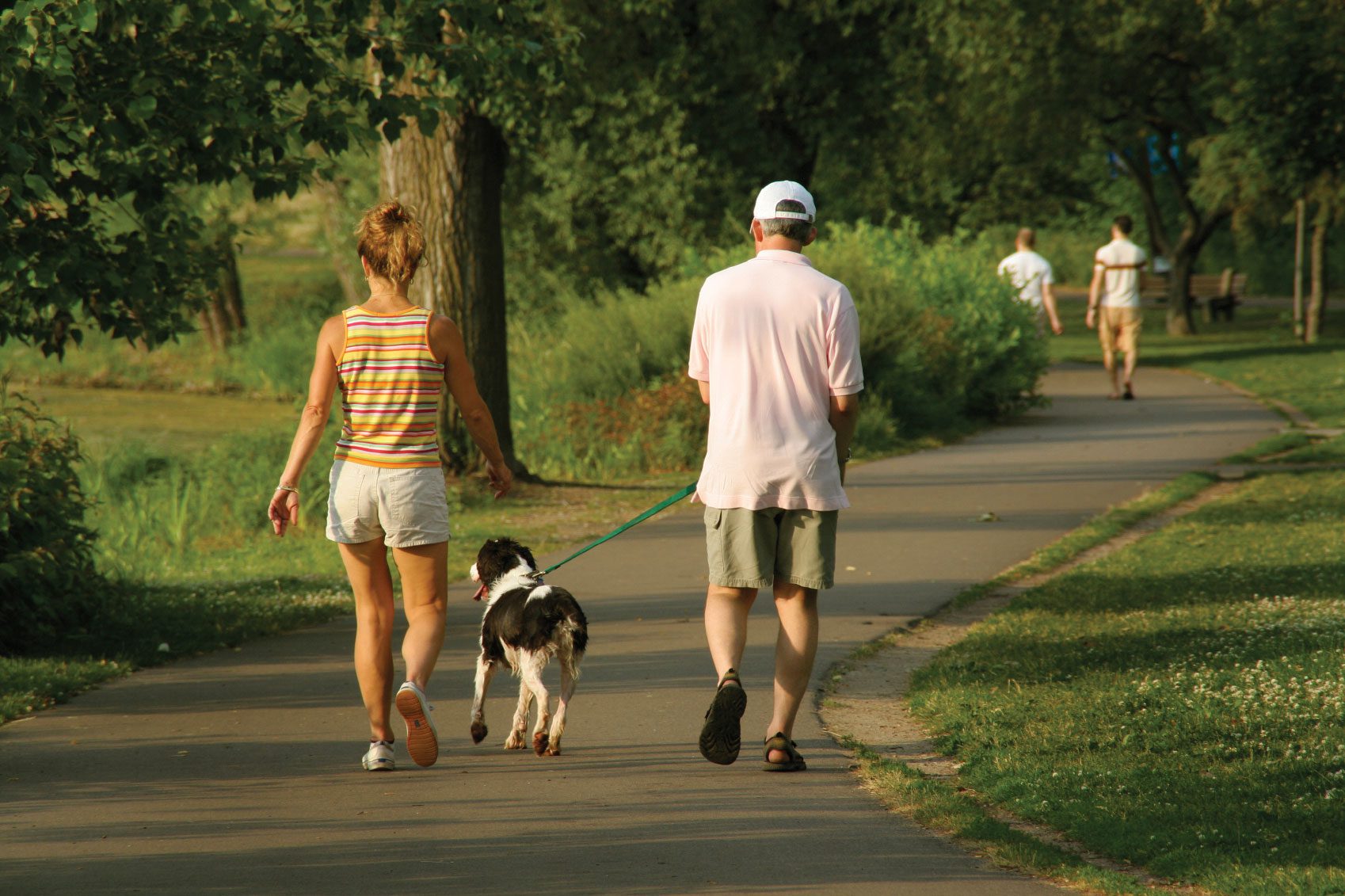
We will see a seismic change in how people adapt to travelling shorter distances from home, as some destinations will see a release from quarantine faster than others. A change in markets is likely to arrive with a change in mentality. More people will seek to explore their own countries, and gravitate towards open-air facilities, such as national parks and trusts. Places like the peak district within the UK may see an increase in visitors. Likewise, it may be easier for you to reach Berlin, than Barbados.
There is the saying that absence makes the heart grow fonder, and since it will be a couple of months since families last had a chance to be together, such reasons will thus explain an increase in travel after the virus subsides. More excitingly, in the short term, there is expected to be a plethora of bargain deals after quarantine. In contrast, holiday destinations that tend to appear on people’s bucket list, so to speak, will see an increase in tourists too. The costs although uncertain, may drop, whilst insurance will spike.
Supply chains may be altered and shortened too, as people maintain a social distance. Rather than typical visits to the travel agents in person, who then connect to third parties for arrangements, people may prefer to communicate directly to an operator in the destination of their travels. This is particularly a trend that may be seen in younger generations who are predicted to be the dominant pioneers in a rebooted industry. Statistically speaking there is already an increase in online usage of platforms that propel this movement.
As society tries to restore normality, flying, for example, and avoiding crowds will become the new norm. City breaks may not be the usual topic of conversation around dinner tables, as people abandon their old habits. Likewise, home-schooling, surprisingly, may turn out to be one of the biggest issues that families will struggle with, due to their inexperience of dealing with such situations. This would also go hand in hand with increased education costs.
Furthermore, the popular topic of climate change may return, perhaps with more optimism. With this, we must bear in mind too, the affects that the coronavirus pandemic has on conservationist efforts. Lately, volunteers of organisations have had to be sent home, and thus causing concern for the future of many programmes. If they lost more people, they would start to struggle.
To conclude, in the healthcare regard, expect the number of health checks to go up, as requirements for immunisation and tighter security become more stringent. Already, some airlines have started to block out the middle passenger seats on planes, so do expect to see more strict cleaning measures as well as mask and glove-wearing. Overall, this is a great outlook as the world continues to develop new ways to deal with a world, post Covid-19.