





















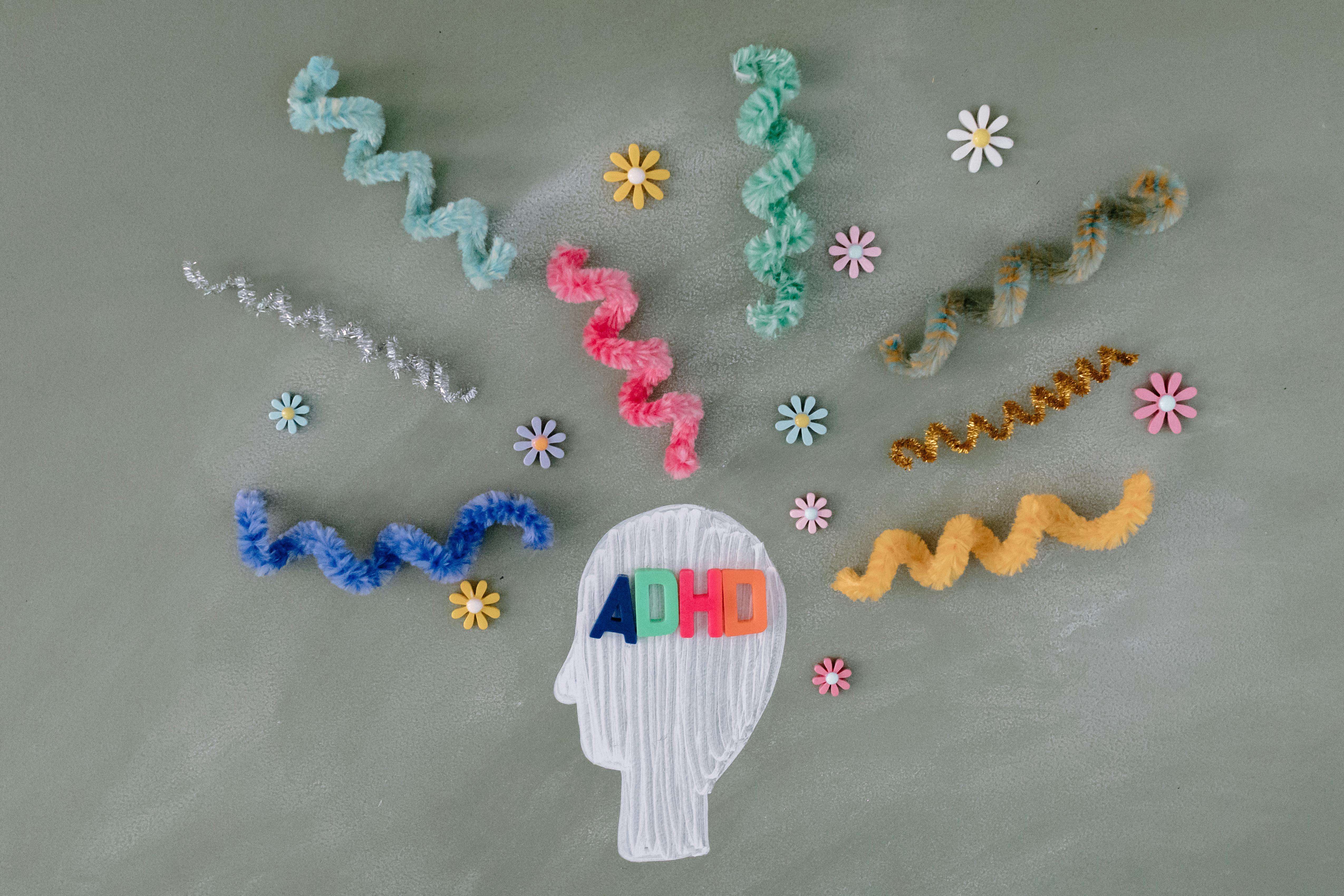


Neurodevelopmental conditions such as Attention Deficit Hyperactivity Disorder (ADHD), Autism Spectrum Disorder (ASD), and learning difficulties can have a profound impact on a child’s development, education, social life and overall wellbeing. Recognizing the signs early and intervening promptly can significantly improve outcomes for children and young people. Early intervention not only helps manage symptoms but also promotes positive development, enabling children to reach their full potential.
Understanding Neurodevelopmental Conditions
Neurodevelopmental conditions are differences in brain development that affect emotions, learning ability, self-control and memory. These conditions are usually evident in early childhood and can persist throughout life. Common conditions in this category include ADHD, ASD, dyslexia, dyspraxia, and language processing disorders.
Each condition presents with a range of symptoms that can vary widely between individuals. For example, a child with ADHD may struggle with attention, impulsivity and hyperactivity, while another child may primarily experience inattentiveness without hyperactivity. These differences often make diagnosis challenging, especially in environments that are not equipped to recognize and respond to such variability.
The Value of Early Identification
Early identification is the cornerstone of effective intervention. The sooner a child’s needs are understood, the sooner they can receive the appropriate support. Without early recognition, children may be misunderstood or mislabeled as disruptive or unmotivated. This misjudgment can have long-term effects on their confidence, academic progress and mental health.
In contrast, identifying a neurodevelopmental condition at an early stage allows for tailored strategies to be put in place at home, in school and in clinical settings. These strategies might include behavioral therapy, speech and language support, occupational therapy, or medication, depending on the condition and its severity.
Benefits of Early Intervention
Early intervention offers several benefits, both immediate and long-term:
- Improved Academic Performance
Children who receive support early often perform better in school. With appropriate interventions, they can access the curriculum more effectively and develop skills that would otherwise be hindered by their condition. - Better Social Integration
Children with neurodevelopmental conditions may struggle with social cues and communication. Early support helps them develop these skills, reducing the risk of social isolation and improving peer relationships. - Reduced Behavioral Challenges
Unmet needs often manifest as behavioral problems. Addressing the root cause early helps manage behavior in a constructive way, improving the child’s relationship with caregivers and teachers. - Enhanced Family Wellbeing
Families benefit from early intervention as it provides understanding, guidance and resources. This reduces stress and fosters a more positive family dynamic. - Improved Long-Term Outcomes
Longitudinal studies have shown that early intervention improves outcomes in adulthood, including employment opportunities, independent living and mental health.
Role of Professionals and Specialist Services


Professionals such as GPs, teachers, health visitors and pediatricians play a crucial role in recognizing the early signs of neurodevelopmental conditions. Collaboration between education, health and social care is essential to provide holistic support.
In many cases, families benefit from accessing specialized services that focus on neurodevelopmental assessment and treatment. An ADHD clinic, for example, offers comprehensive diagnostic assessments, ongoing management and therapeutic support tailored specifically for individuals with ADHD. Such clinics provide a multidisciplinary approach involving psychologists, psychiatrists and therapists to deliver the most effective care.
Overcoming Barriers to Early Intervention
Despite the known benefits, several barriers can delay early intervention. These include:
- Stigma around neurodevelopmental conditions, which may prevent families from seeking help
- Lack of awareness among parents or educators regarding early warning signs
- Long waiting times for assessments and specialist services within the public health system
- Limited access to trained professionals, particularly in rural areas
Addressing these barriers requires investment in education and training for professionals, increased funding for specialist services and greater public awareness campaigns to normalize help-seeking behavior.
Empowering Parents and Carers
Parents and carers are often the first to notice when something doesn’t seem quite right with their child’s development. Their concerns should always be taken seriously and acted upon. Empowering families with knowledge and resources is a critical part of early intervention.
Support groups, parenting programs and access to accurate information help families navigate the challenges of neurodevelopmental conditions. Crucially, this support can foster resilience and promote advocacy, allowing families to be active participants in their child’s care journey.
Rounding Things Up
Early intervention in neurodevelopmental conditions is not just beneficial, it is essential. Timely support can transform a child’s trajectory, equipping them with the tools to thrive academically, socially and emotionally. By identifying needs early and providing targeted interventions, we can reduce the impact of neurodevelopmental challenges and build a more inclusive, supportive society for all.