





















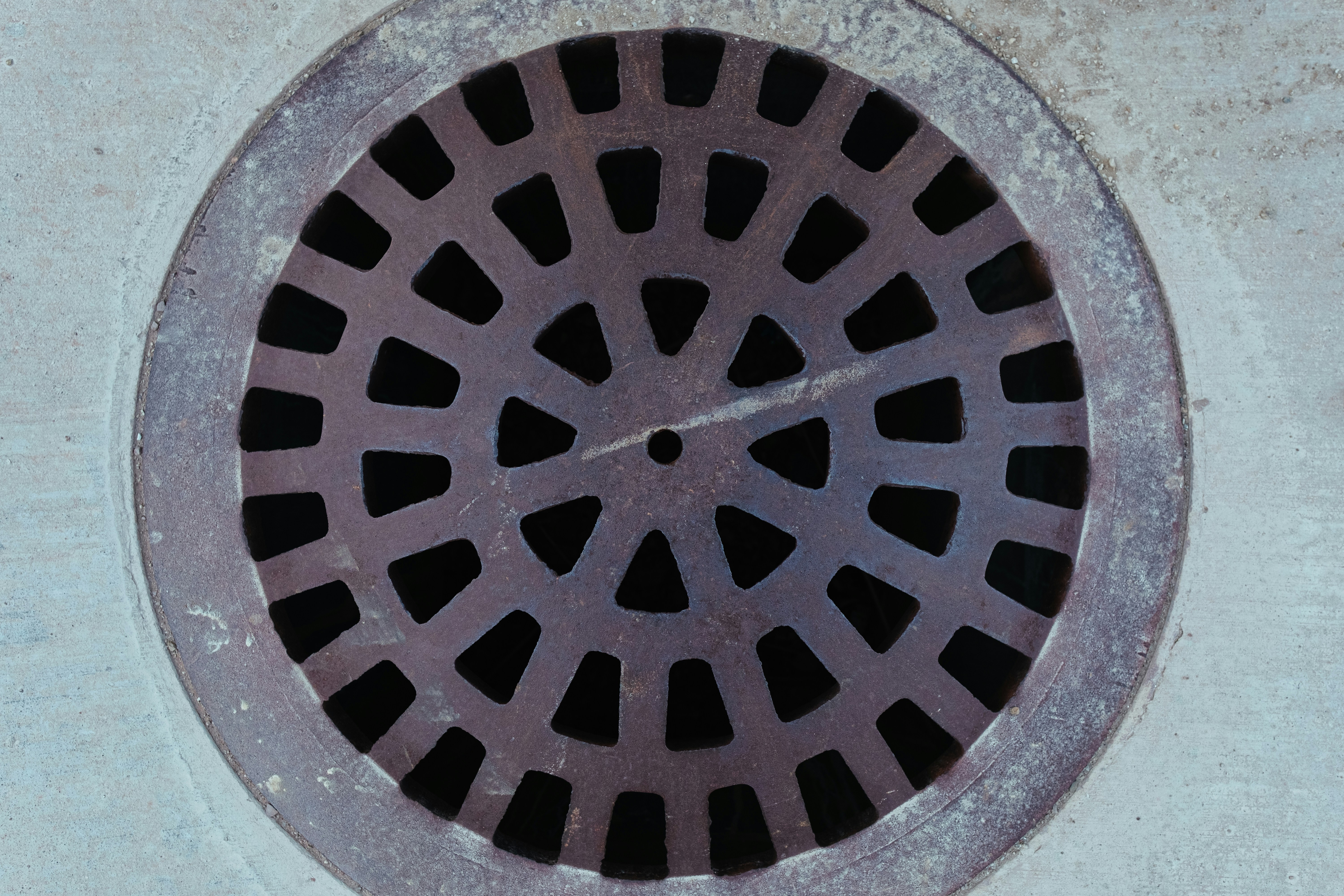


Many homeowners assume that if water eventually disappears down the plughole, there cannot be a real drainage problem. In reality, a slow-draining sink, shower or bath is often one of the earliest signs that something is restricting the normal flow of wastewater. Many cases that eventually require professional attention for blocked drains Tunbridge Wells begin with nothing more than a drain that empties a little more slowly than usual. While the pipe may not be completely blocked, its capacity can already be significantly reduced by a developing obstruction or an underlying fault.
Slow drainage rarely improves on its own. Grease, soap residue, hair, limescale and other deposits tend to build up gradually, narrowing the inside of the pipe over time. In some cases, the problem may lie further along the drainage system, where hidden structural defects or external obstructions can restrict the flow without causing an immediate blockage.
Identifying the underlying cause early is usually far simpler and less expensive than dealing with a fully blocked drain or damaged pipework later. Understanding why water is draining slowly is the first step towards preventing more disruptive and costly drainage problems in the future. When a recurring drainage issue requires specialist assessment, companies such as DrainBoss use professional inspection and drain clearance techniques to identify the underlying cause rather than simply treating the visible symptom.
Slow-Draining Water Does Not Always Mean a Complete Blockage
A drain does not need to be fully blocked for water flow to become noticeably slower. In many cases, the problem is a partial restriction: grease, soap residue, hair, food particles or mineral deposits have begun to collect inside the pipe, leaving only a reduced space for wastewater to pass through. Water can still move around the obstruction, but it takes longer to drain away.
A complete blockage is different because the pipe is fully obstructed and water can no longer pass through normally. This may cause standing water in a sink, bath or shower, or lead to wastewater backing up through another outlet. With a partial restriction, the symptoms are usually less dramatic, which is why the issue can be easy to overlook.
These restrictions often develop gradually. Small amounts of waste cling to the inside of the pipe, trapping further debris and slowly narrowing the available channel. The change may be barely noticeable at first, but drainage becomes progressively slower as the build-up increases. Without attention, a partial restriction can eventually develop into a complete blockage.
The Most Common Reasons Water Drains Slowly
Slow drainage can develop for several reasons, and the source of the problem is not always immediately visible. In many cases, the restriction forms gradually inside the waste pipe, while in others it may be located further along the drainage system. Understanding the most common causes can help explain why water continues to drain, but no longer flows away as quickly as it should.
Gradual Build-up Inside the Pipe
One of the most common causes of slow drainage is the accumulation of everyday waste on the inner walls of the pipe. In kitchens, grease and cooking oils may enter the drain as liquids but cool and solidify further along the pipework. The resulting sticky coating traps food particles and other debris that would otherwise pass through the system.
Bathroom drains are more commonly affected by soap residue, hair and limescale. Soap can combine with minerals in the water to form stubborn deposits, while strands of hair catch around fittings and collect additional waste. In hard-water areas, limescale can also create a rough internal surface to which further material attaches more easily.
Each deposit may appear insignificant on its own, but the effect is cumulative. As layer after layer forms, the internal diameter of the pipe gradually decreases, leaving less space for wastewater to pass through. This is why a sink, bath or shower may begin draining slowly long before the pipe becomes completely blocked.


Drain Pipe Scale and Mineral Deposits
In many parts of the UK, hard water is an unavoidable part of everyday life. As water flows through the drainage system, naturally occurring minerals such as calcium and magnesium can gradually settle on the inner surface of the pipework. Unlike grease or food waste, these deposits build up slowly over many years and often go unnoticed.
As the layer of mineral scale becomes thicker, the effective diameter of the pipe is reduced. Water is still able to pass through, but the available space for flow becomes progressively smaller. This is why a sink, shower or bath may begin draining more slowly even though there is no obvious blockage close to the plughole.
Problems Further Along the Drainage System
A slow-draining fixture does not always mean the restriction is located directly beneath the sink or shower. In some cases, the underlying problem is much further along the drainage network, making it difficult to identify without a more thorough investigation.
The restriction may be located in:
- underground pipework serving the property;
- external drainage outside the building;
- a shared drainage system serving multiple properties.
Because wastewater must travel through the entire drainage system before reaching the public sewer, a problem some distance away can still affect how quickly water drains inside the home.
Structural Drain Problems
Not every drainage problem is caused by a build-up of waste. In some cases, slow drainage is the first indication that the pipe itself has developed a structural defect. Even relatively minor damage can disrupt the normal flow of wastewater long before a complete blockage occurs.
Common structural issues include slight pipe deformation, small cracks, misaligned joints caused by ground movement, tree root intrusion through damaged connections, or a localised section of collapsed pipe. Each of these faults creates an obstruction or alters the direction of flow, allowing debris to collect more easily over time.
Unlike temporary build-up, structural defects generally become worse if left untreated. What begins as occasional slow drainage may gradually develop into recurring blockages, wastewater backing up through fixtures, or more extensive damage that requires significant repair work.
While the underlying cause is not always immediately obvious, the symptoms you notice can often provide useful clues. Although only a professional inspection can identify the exact issue, the table below outlines some of the most common signs of slow drainage and the problems they may indicate.
| Symptom | Possible Cause |
| Water drains slowly from one sink | Local build-up of grease, soap residue, hair or food debris |
| Several fixtures drain slowly | Restriction further along the drainage system or a shared drain |
| Gurgling sounds from plugholes or toilets | Air trapped by a developing blockage |
| Persistent unpleasant odours | Organic waste or stagnant water inside the pipework |
| Water backs up into another fixture | Partial blockage in the main drainage system |
| Slow drainage keeps returning after cleaning | Hidden structural damage or a deeper obstruction |
Signs the Problem Is More Serious Than It Appears
A slow-draining sink or shower does not always indicate a major fault, but certain accompanying symptoms suggest that the issue extends beyond normal build-up inside the pipe. When several warning signs appear together, the problem may involve a larger section of the drainage system or an underlying defect that requires further investigation.
Some of the most common signs include:
- more than one sink, bath or shower draining slowly at the same time;
- gurgling sounds coming from plugholes or toilets after water is discharged;
- water backing up into another fixture, such as a shower tray filling when a washing machine or sink is emptied;
- outdoor gullies remaining full of water or draining unusually slowly;
- unpleasant odours that persist even after cleaning;
- slow drainage that repeatedly returns despite removing visible debris.
These symptoms often indicate that the restriction is not confined to a single waste pipe. Instead, the problem may be affecting a larger section of the drainage network, where wastewater cannot flow away as efficiently as it should. The earlier these warning signs are recognised, the easier it is to identify the underlying cause before it develops into a complete blockage or a more significant drainage failure.
What You Can Safely Check Yourself
Before assuming that slow drainage is caused by a serious fault, there are several simple checks that can be carried out safely at home. These steps may help resolve a minor local restriction or provide useful clues about whether the problem extends further into the drainage system.
- Remove visible debris. Check the plughole, strainer and surrounding area for hair, food particles or other material that can be removed by hand while wearing suitable gloves.
- Clean the waste trap. If it is accessible and you are confident doing so, place a container underneath before carefully removing and cleaning the trap. Grease, soap residue and debris often collect at this low point in the pipework. Refit it securely and check for leaks afterwards.
- Flush the drain carefully. Hot, but not boiling, water may help loosen light grease or soap residue where the pipe material and fixture are suitable. Boiling water should be avoided because it can damage some plastic pipework, seals and surfaces.
- Check other fixtures. Observe whether nearby sinks, showers, baths or toilets are also draining slowly. If only one fixture is affected, the restriction may be local. If several are affected, the problem is more likely to be further along the system.
It is equally important to avoid methods that may create additional problems. Repeated use of chemical drain cleaners can damage pipework, harm seals and leave hazardous residue behind without addressing the underlying cause. Drain rods should not be forced into pipework when the route, condition and layout of the drain are unknown, as they can become stuck or worsen existing damage.
A temporary improvement should not be treated as a permanent repair if the slow drainage keeps returning. Recurring symptoms often indicate that material remains deeper in the system or that a structural defect is allowing debris to collect repeatedly.
When Slow Drainage Requires Professional Investigation
A slow-draining sink or shower does not always require specialist attention. If the problem disappears after removing a small obstruction and does not return, no further action may be needed. However, some situations point to an issue that cannot be identified from the surface and is unlikely to be resolved with routine cleaning.
Professional investigation is worth considering if the same drain becomes slow again after a short period, several fixtures begin draining poorly at the same time, outdoor gullies stop emptying properly, or water backs up into another sink, shower or toilet. Another warning sign is a drain that becomes progressively slower over weeks or months instead of remaining at the same level.
When these symptoms are present, the cause is often located deeper within the drainage system. A build-up inside an underground pipe, root intrusion, a displaced joint or a damaged section of pipework can all restrict the flow without producing an obvious blockage near the fixture.
A CCTV drain survey is one of the most effective ways to identify these hidden faults. A specialist camera is guided through the drainage system, allowing the condition of the pipework to be inspected from the inside. This approach helps pinpoint the exact location and nature of the problem while avoiding unnecessary excavation or guesswork. Once the cause has been identified, the most appropriate repair or cleaning method can be selected based on the condition of the drain rather than assumptions.
Preventing Slow Drains Before They Become Blocked
Most slow drains develop over time, so prevention depends more on everyday habits than occasional emergency cleaning. Keeping grease, food waste, hair and unsuitable household items out of the pipework reduces the amount of material available to collect inside the system.
Cooking fat and oil should be allowed to cool, transferred to a sealed container and disposed of with household waste where local guidance permits. Sink strainers can catch food particles before they enter kitchen pipework, while bathroom strainers help prevent hair and soap debris from collecting further down the waste pipe. Toilets should only be used for human waste and toilet paper. Wet wipes, sanitary products, cotton buds and similar items should go in a bin, even when their packaging suggests they are flushable.
Waste traps also benefit from periodic cleaning, particularly beneath heavily used kitchen sinks and bathroom basins. Removing deposits at this accessible point can prevent them from moving deeper into the system. Properties with recurring drainage problems, older pipework or busy commercial kitchens may also benefit from planned inspection and cleaning at suitable intervals. Preventative maintenance can remove developing restrictions before they begin affecting normal flow or cause a complete blockage.
Conclusion
Slow drainage is rarely a harmless quirk. In most cases, it is the first visible sign that wastewater is meeting resistance somewhere in the system, whether from internal build-up, mineral deposits, damaged pipework or a fault further along the drain. Dealing with the cause at this stage is usually simpler, less disruptive and less expensive than waiting for the pipe to become fully blocked.
For persistent or worsening problems, DrainBoss provides professional drainage services in Tunbridge Wells, including drain clearance, CCTV drain surveys, high-pressure water jetting, drain tracing, repairs and relining. The company is fully insured, Trading Standards approved and experienced in diagnosing both domestic and commercial drainage faults without unnecessary excavation.