













 Benjamin Mee is an author, conservationist and speaker best known for We Bought a Zoo. He is the founder of Dartmoor Zoo and has spent years leading conservation, education and community programmes. His work combines storytelling with hands-on leadership in challenging environments.
As a professional leadership speaker, Benjamin draws on his experience running a major wildlife attraction and managing large teams of staff, volunteers and partners. He works closely with organisations on wellbeing, resilience and purpose, using nature as a practical framework for change. His insights are grounded in operational and human experience.
In this exclusive interview with the Champions Speakers Agency, Benjamin Mee shares his perspective on human wellbeing and resilience. He explores the role of nature in mental health, teamwork and performance. His reflections offer clear lessons for individuals and organisations.
Question 1: From a psychological and biological perspective, why is sustained exposure to nature so fundamental to human wellbeing in modern life?
Benjamin Mee: “Well, this is something I’ve been passionate about my whole life. And it only began to dawn on me when I was at university studying psychology. There’s a term called biophilia, coined by a sociobiologist, E. O. Wilson, and he’s basically put numbers on the amount by which nature enhances your wellbeing.
“We are animals. We’re designed to be outside, looking at green things and foraging and hunting and all these things, whereas most of the time you’re stuck in a square office room with upward lighting, looking at a screen, sitting. We’re not supposed to be doing that.
“One of the things that we do here, I mean, we’ve got a 30-acre site full of trees. Every autumn, that’s a lot of leaves that come down for a long time. If you’re paying people to sweep up leaves and they should be doing other things, it’s impossible. So I ended up getting volunteers to come and help.
“In our case, we’re lucky. We live near to EE, the phone company, and they have 800 people in a call centre, which is a big sort of industrial shed, strip-lit. They’re being monitored by their line managers for call efficiency. It’s got to be a 750-second call on average, with two upsells, and then customer satisfaction is raised. So there’s pressure. And the Clacton guys are the complaints department for all of EE, so all of the complaints go to Clacton.
“You’ve got 800 people just getting complaints all day on the phone, being monitored, and they have two volunteer days a year. We sent out some emissaries. We went down and pitched to them and said, “Come up to the zoo, volunteer for us,” and they jumped at it.
“They now start raking leaves for us every autumn in teams, and they love it. They absolutely love it. They’re beaming. They’re out there in the rain raking because they’re doing something. They’ve achieved a thing. They’ve moved. They’ve cleared a path. They’ve created a pile. They’ve developed a sweat. They’ve worked as a team, and nobody’s shouting at them at all.


“They’ve noticed that when they go back to work, their customer satisfaction rates go through the roof, and they stay through the roof for more than a month after one visit. I went and did a talk to EE senior management about this, and they upped the days to three volunteer days a year, because it makes money for them to come and be in nature.
“Their raw material of people are animals. We’re all animals that need to be outside at some point in the day. I feel really passionate about this. I’m actually writing another book called The Homminid, which is about living, remembering that we’re an accident, and looking after this big monkey like you would look after a monkey. We forget to do that with ourselves.
“So yeah, that’s one of my absolute passions: nature therapy, effectively.”
Question 2: In your experience, how does engagement with nature actively support emotional resilience, particularly for people facing sustained pressure or trauma?
Benjamin Mee: “We’ve encouraged people to have plants in their workspace, and the thing is, the plants die. They wither. It’s something that people can be made aware of, how powerful nature is, what an impact it has on human beings, and how much we actually need it for our survival.
“We do run programmes here of corporate volunteers, but also SEND children, special education needs. There are several SEND schools around here who contribute to small maintenance tasks that we do.
“There’s one in particular called the Wave Academy, and they’ve been coming for seven or eight years. These are children with incredibly problematic backgrounds. Unbelievable. We heard about one of the lads who comes up, who had been misbehaving at school. He has to sleep with the dog. He doesn’t have a bedroom. He has to sleep in a dog basket.
“You look at these kids and think this is the very best thing that happens to them at the moment in their lives, being here helping to build a new meerkat enclosure. They absolutely respond. It’s partly the mentoring of the incredible staff they have, and our guys, who are all mental health first-aid trained. You can see them coming to life. It’s like a tightly closed flower that’s just asking, “Is it safe? Is it safe?” And then they come out.
“At the end of their day, they don’t come in from their break. They’re too busy doing a carpentry joint. They say, “I’m just finishing this.” It’s a really powerful thing, and it’s a real privilege to work alongside them.
“They look at you and you’re one of the few safe adults they have in their lives. There are the teachers, and if you’re introduced by the teachers, you’re suddenly someone to be listened to and trusted, as opposed to anyone else who is a potential danger.
“Nature is part of that. If they start to have a meltdown, they’re allowed to go and look at the tigers and sit and chill, and come back when they’ve been refreshed.
“We found that those guys have a 97% employment rate having done work at the zoo over the last seven years. We keep track of all of them, and only 3% are not employed, which is way above the national average for normal school leavers.
“They know what it’s like to be on the outside, and we’ve shown them through the animals, the nature, and the mentoring, that there is a positive world they can join into. If they do certain things, behave in a certain way, be polite, look people in the eye, don’t be disruptive, no matter how they’re feeling, they love it. They grab it with both hands and they stay employed.
“From a workplace point of view, I would say do some sort of volunteering outside. Most big workplaces do have volunteer days allocated. Make sure it’s in a park, outside, doing something outside.
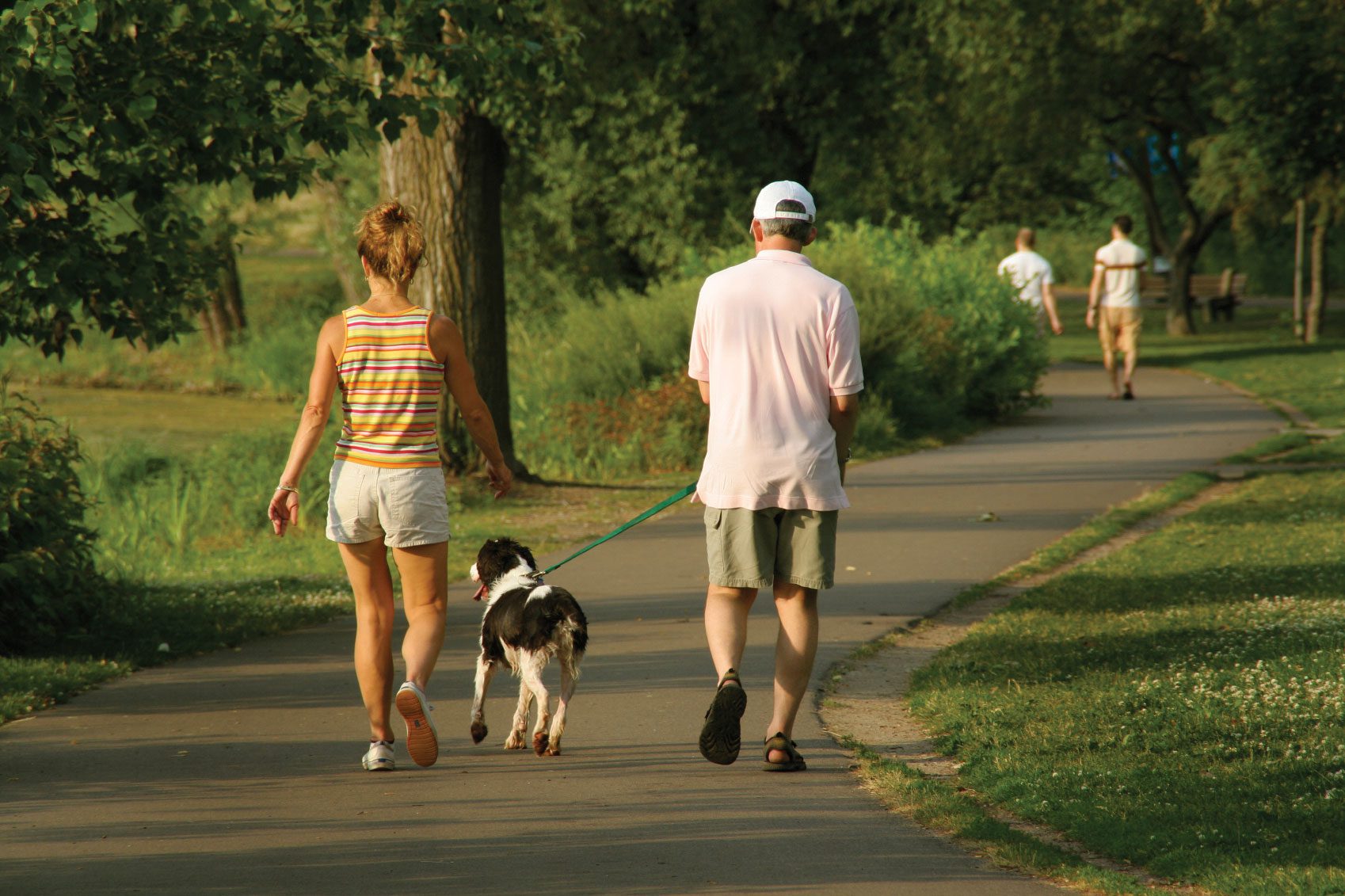
“If it’s just down to the individual, walk to work, walk through a park, be near a tree. I used to live in Elephant and Castle and didn’t even notice it was autumn until I left the city. You think, “Oh, look, all the trees have changed. It’s autumn, is it?”
“Leave the city, or go to parks. Walk to a park to have your lunch. Even in Soho Square, Soho is one of the most urbanised boroughs, and there is a square there with at least one tree. You can go and stand by a tree and eat your lunch, and you’ll feel significantly better than if you eat your lunch at your desk.
“Be outside and breathe like an animal near a tree. That’s my advice.”
This exclusive interview with Benjamin Mee was conducted by Jack Hayes of the Motivational Speakers Agency.