





















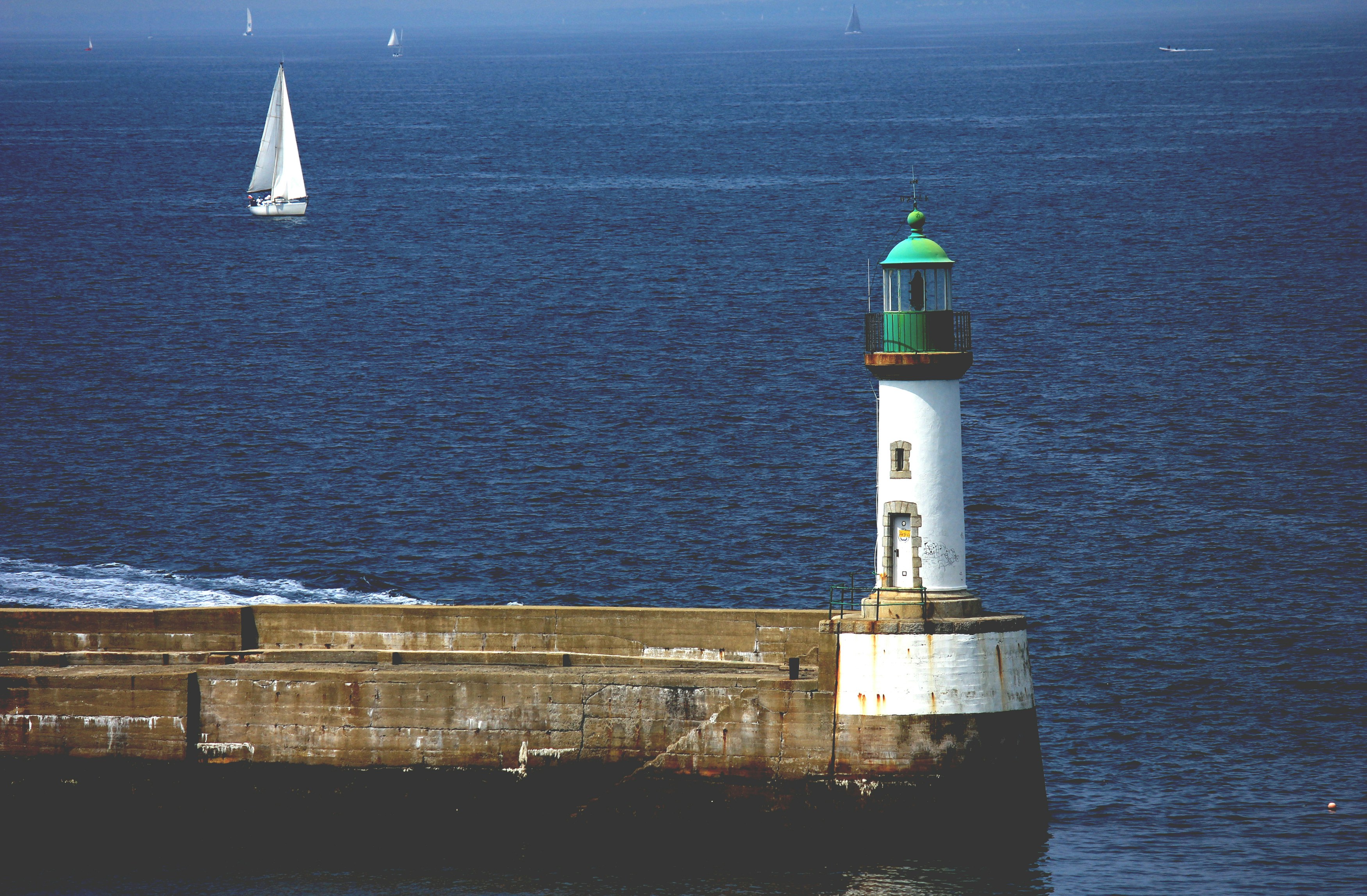


Anyone who lives close to the Brighton seafront knows what the weather does to things. Bikes rust, garden furniture seizes up and a fresh coat of paint on a gate can look tired within a couple of winters. The sea air is part of what makes the city so appealing, but it’s hard on anything made of metal.
Builders and architects working near the coast often turn to aluminium because it’s light, strong and doesn’t rust the way steel does. Bare aluminium isn’t immune to the elements, though, and the finish applied to it decides how well it copes. Anodising aluminium is one of the treatments commonly chosen for the job, because the protective layer is formed from the metal itself rather than painted on top.
Why Salt Is the Real Problem
Rain and wind do their share of damage, but salt is the culprit that catches people out. Spray from the sea is carried inland on the breeze, settling on railings, window frames, shop signs and cladding well beyond the promenade. Once it’s there, it holds moisture against the surface and speeds up corrosion.
The city’s exposed position adds to the challenge. Winter storms bring wind-driven rain and spray, and high humidity means surfaces can stay damp for long stretches. Metalwork on the south coast is rarely given a chance to dry out fully, which is why small flaws in a finish can turn into visible damage surprisingly quickly.
Paint can struggle in these conditions. Tiny chips or scratches let moisture creep underneath, and the coating begins to blister and lift. Owners then face repainting cycles that are far more frequent than they’d expect inland.
Heritage and New Builds Side by Side
Brighton and Hove has an unusual mix of Regency terraces, conservation areas and modern developments, sometimes within a few streets of each other. That brings its own set of demands. New work has to look right beside older buildings, and materials need to age gracefully rather than fading or streaking within a few seasons.
Planning teams in conservation areas pay close attention to materials, colours and proportions, so applicants are often asked to show samples and specifications. Clear information about a finish, including how it’s expected to weather, helps those conversations run more smoothly.
Natural metal tones tend to sit comfortably in a historic setting, which is one reason clear and bronze-toned aluminium has become familiar on commercial frontages and extensions. Consistency matters as much as appearance. Panels or frames added a few years apart should still look like they belong together.


What Residents and Businesses Notice
For shops, cafés and hotels on the seafront, the cost of upkeep isn’t only the price of paint. Scaffolding, closed entrances and disrupted trading all add up, and a faded sign or rusty rail can quietly put customers off before they’ve walked through the door.
Longer-lasting finishes can cut down on that cycle of repair. There’s a sustainability angle too. Aluminium can be recycled at the end of its life, which fits neatly with the city’s long-standing interest in greener building.
Local trades see the results first-hand. Glaziers, sign makers and metalworkers along the coast regularly replace components that have corroded long before their time, and many now recommend finishes designed for marine exposure as standard. Word of mouth travels fast in a city this size, and a reputation for lasting work counts for a lot.
It’s Not Only the Promenade
The effect isn’t limited to buildings facing the water. Salt-laden air drifts through Kemptown, Hove and Portslade, and it reaches streets that feel well back from the beach. Window frames on terraced homes, canopies over shopfronts and railings outside flats can all be affected, so even properties that aren’t on the front are worth thinking about.
Questions Worth Asking Before Work Starts
Homeowners and landlords planning new windows, balconies or railings near the coast can save themselves trouble by asking a few simple things up front:
- How close is the property to the sea, and has that been factored into the specification?
- Which standards does the finish meet, and is there a guarantee?
- Can physical samples be seen in natural light before a decision is made?
- What cleaning will be needed, and how often?
Regular rinsing with fresh water removes salt deposits before they can do harm, and it takes only a few minutes. Frames and rails that are washed down a few times a year tend to look better for much longer.
Choosing an installer who has worked in coastal conditions is just as important as the product itself. Good fitting, sealed joints and sensible drainage details all help a finish do its job.
Keeping the Seafront Looking Its Best
Residents have a part to play as well. Reporting corroded street furniture, asking landlords about maintenance plans and choosing durable options for their own homes all help keep the seafront looking its best.
Brighton’s seafront is one of the most photographed stretches of coastline in the country, and much of its character comes from well-kept buildings. As new schemes come forward, the materials chosen now will shape how those streets look in ten or twenty years. A little thought about finishes at the start can go a long way against the salt.