





















Brighton boasts a well-deserved reputation as England’s most sustainable city, adorned with numerous electric car chargers, thriving car-sharing initiatives, affordable bus transport, and remarkably low pollution levels. In this green haven, the stage is set for residents to seamlessly integrate eco-conscious practices into their lives.
Despite these strides, a common misconception lingers – the belief that adopting a green lifestyle is synonymous with financial strain. The worry that sustainable living is exclusively for the affluent often dissuades people from taking the plunge.
However, the key lies in strategic choices that not only contribute to a healthier planet but also unlock direct financial gains. Where do you get started? Looking at the creative side of Brighton residents and the strong student population, there is no denying that many have found ways to go green without going in the red. Here are some tips and tricks to help Brighton residents navigate the path to a green lifestyle, reaping both environmental and economic reward.
Insulate your home for long-term savings
In the face of escalating energy costs, the prospect of energy poverty looms over many UK homes, and Brighton is no exception. As such, the need for sustainable solutions is here and now.
An effective remedy lies in the strategic insulation of homes, a measure that not only curtails energy consumption but also shields households from the economic strain of soaring utility bills. Understanding the critical areas to insulate within your home is paramount. Begin with the roof, where a substantial portion of heat is lost, and move on to walls and floors, creating a comprehensive thermal barrier.
The economic benefits of insulation extend far beyond environmental consciousness. By investing in quality insulation, homeowners can significantly slash their energy bills, fostering a resilient defence against the threat of energy poverty. In Brighton’s dynamic climate, where temperatures can vary, prioritising insulation can prevent significant money waste!
For a city where damp sea breezes and variable weather patterns prevail, the choice of insulation solutions holds particular significance. Opting for materials that withstand moisture and offer superior thermal resistance is crucial. From fibreglass to cellulose and rigid foam boards, residents have a spectrum of options to tailor their insulation choices to the city’s unique climate demands.
Second-hand cars
In an era where the environmental impact of car production, including electric vehicles (EVs), has become a pressing concern, Brighton residents are presented with an opportunity to champion sustainability through their transportation choices. While the appeal of EVs as a green alternative is evident, the manufacturing process itself carries a significant environmental footprint. This is where considering second-hand cars, even those not labelled as electric, can become an unexpected sustainable choice.


Purchasing a used car, regardless of its fuel type, contributes to the reduction of demand for new vehicle production, a process notorious for its resource-intensive nature. However, the eco-conscious consumer must navigate the myriad options available to make an informed choice. You want to favour a vehicle with limited carbon emissions, focusing on fuel efficiency and emission standards.
For those contemplating the leap into electric or hybrid territory, the decision becomes nuanced. The environmental impact of manufacturing batteries for EVs warrants scrutiny, challenging the assumption that all electric options are inherently eco-friendly.
In some cases, choosing a second-hand hybrid with a proven track record for fuel efficiency may strike a more balanced ecological chord. The bottom line, despite the prevalence of EVs in Brighton, in most cases, choosing a second-hand petrol engine or a second-hand hybrid car may not only be a more sustainable choice, but it’ll also be more affordable!
Composting
Every avid gardener dreams of unlocking the secrets of composting to nourish their garden but also pave the way for sustainable and cost-effective living. This starts with collecting kitchen scraps, including fruit and vegetable peels, coffee grounds, and eggshells. You can layer these with garden waste like leaves and grass clippings to create a balanced compost heap.
Come winter in Brighton, where gardens may appear dormant, compost remains a valuable asset. You can use your household compost to protect your plants from the chilly temperatures by providing insulation. For best results, spread a layer over the soil surface to safeguard roots, enhancing water retention and protecting your garden against the winter chill.
The benefits of compost extend beyond seasonal gardening perks. By diverting kitchen and garden waste from landfills, composting reduces waste and curtails harmful methane emissions. As such, residents can embrace composting as a sustainable practice that not only enriches garden soil but also minimises their environmental footprint, offering a tangible way to contribute to a greener, healthier Brighton.
Embrace second-hand fashion trends
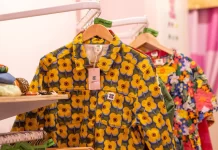
Brighton is known for its eclectic fashion scene, and what better way to stay on-trend than by embracing second-hand fashion? Thrift stores and vintage shops offer a treasure trove of unique and affordable clothing options. Not only does second-hand shopping promote sustainability by extending the life cycle of clothing items, but it also allows you to express your style without contributing to the environmental impact of fast fashion.
Upcycling furniture
Upcycling furniture has become a popular and sustainable trend in the UK, capturing the essence of creative and environmentally conscious decor. This rising popularity stems from the desire for unique, personalised pieces that breathe new life into discarded furniture. More than a passing fad, upcycling aligns with sustainability goals by diverting items from landfills, and minimising the demand for new production.
The beauty of upcycling lies in its accessibility and the ability to tailor projects to your preferences. The process of upcycling may be time-consuming, but it is also cost-effective. Upcycling allows almost 40% of Britons to inject new life into discarded pieces, whether it’s an old chair or a forgotten coffee table. Naturally, you want to choose environmentally friendly paints and finishes to revitalise these items, ensuring they seamlessly integrate into your sustainable lifestyle.
By embracing upcycling as a sustainable decor choice, you not only infuse your living space with character but also contribute to the reduction of waste in Brighton.
Sustainable food choices
There’s no doubt that embarking on a journey of sustainable food choices not only benefits the planet but can also be a savvy investment for your wallet. When it comes to local, seasonal produce, Brighton residents can choose from many farmers’ markets starting with Brighton Open Market. Great food at low cost, on the one hand, and reducing the carbon footprint on the other.
Many residents have been tempted by plant-based diets, which not only promote personal health but also have a lower environmental impact compared to meat-intensive diets. Yet, you don’t need to go vegan to make greener food choices. Try implementing small changes, such as adding broccoli sprout seeds to grow your own sprouts to add more nutrients to your diet. Avoiding products associated with deforestation, overfishing, and excessive packaging can work wonders too.
While plant-based diets emerge as a sustainable choice, not everyone may adopt them entirely. For those still incorporating animal products, the key is to choose sustainably sourced and ethically raised options.
Making conscious food choices, you not only nourish yourself but also contribute to the flourishing sustainability movement in Brighton, while keeping within your shopping budget.
Brighton doesn’t have to be an expensive and impossible challenge. You can incorporate many eco-friendly practices into your daily routine that will not only contribute to the well-being of the planet but also deliver long-term cost savings. From insulating your home to embracing second-hand fashion, every small step counts. Let’s make Brighton a shining example of a city where sustainability is not just a luxury but a way of life for everyone.